Information
City: MonterreyCountry: Mexico
Continent: North America
Monterrey, Mexico, North America
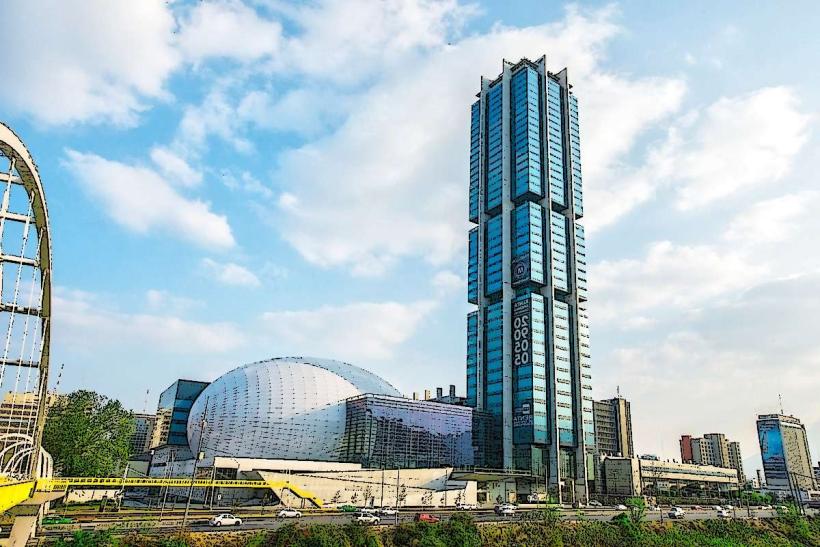
Monterrey is the capital of the state of Nuevo León and the industrial powerhouse of Northern Mexico. Known as the "Sultan of the North," it is situated in a valley surrounded by the dramatic Sierra Madre Oriental mountains. It is a major commercial and technological hub, often considered Mexico’s most "Americanized" city due to its proximity to the US border and its business-centric culture.
Historical Timeline
Founded in 1596, Monterrey remained a small outpost for centuries until the late 19th century when it began its transformation into an industrial giant with the founding of the Cuauhtémoc Brewery and the Fundidora steel mill. In 2026, the city is a primary host for the FIFA World Cup, which has accelerated massive urban mobility projects and the completion of new metro lines.
Demographics & Population
The metropolitan population is approximately 5.35 million as of 2026. The demographic is characterized by a high proportion of professionals, engineers, and corporate employees. Monterrey has the highest GDP per capita in Mexico and a significant community of international business expatriates.
Urban Layout & Key Districts
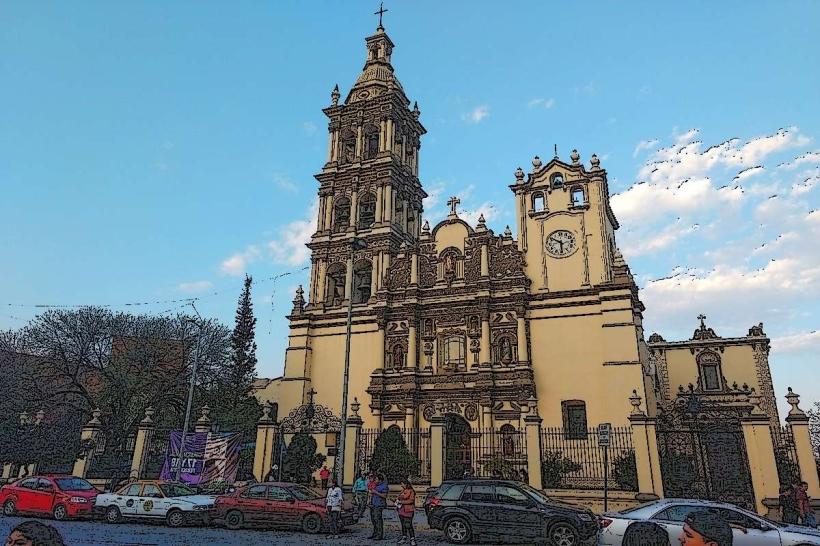
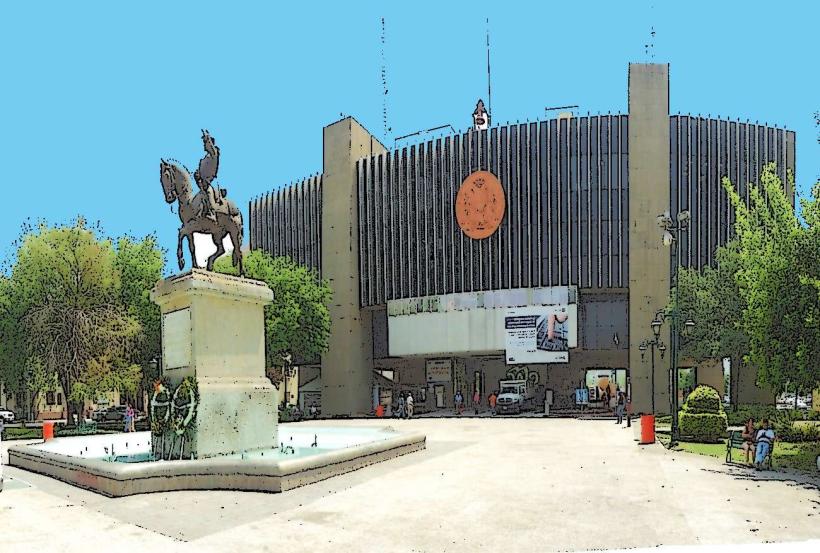
Monterrey Centro: The historical heart, home to the Macroplaza and government buildings.
San Pedro Garza García: Located southwest of Centro; the wealthiest municipality in Latin America, featuring luxury skyscrapers, high-end malls (Fashion Drive), and corporate headquarters.
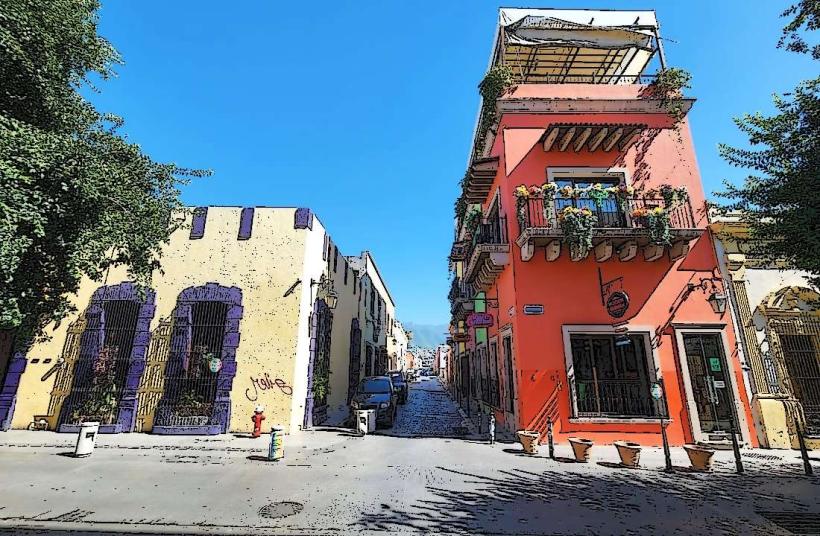
Barrio Antiguo: A small historic district next to the Macroplaza with 18th-century architecture, cobblestones, and a vibrant nightlife/arts scene.
Santa Catarina: An industrial and residential area to the west, serving as the gateway to the Huasteca Canyon.
San Nicolás de los Garza: Home to the Autonomous University of Nuevo León (UANL) and major industrial plants.
Top City Landmarks
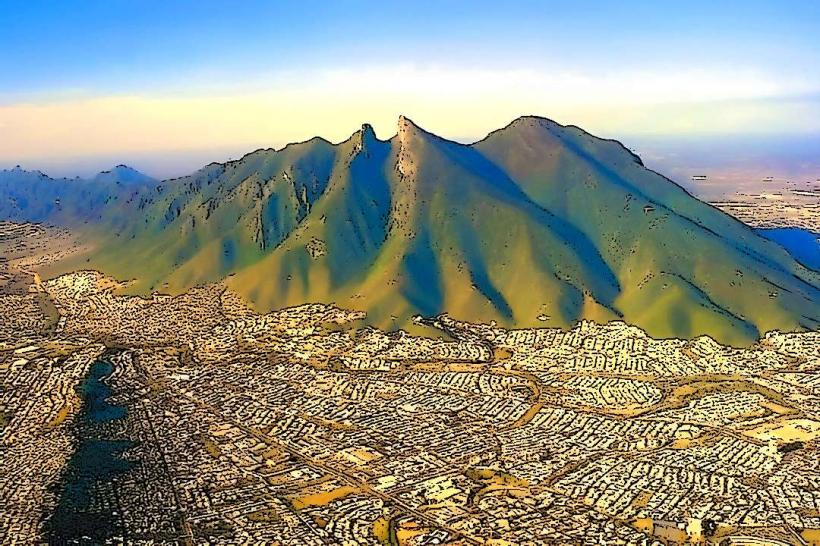
Cerro de la Silla (Saddle Mountain): The city’s iconic saddle-shaped backdrop; a popular but challenging destination for hikers.
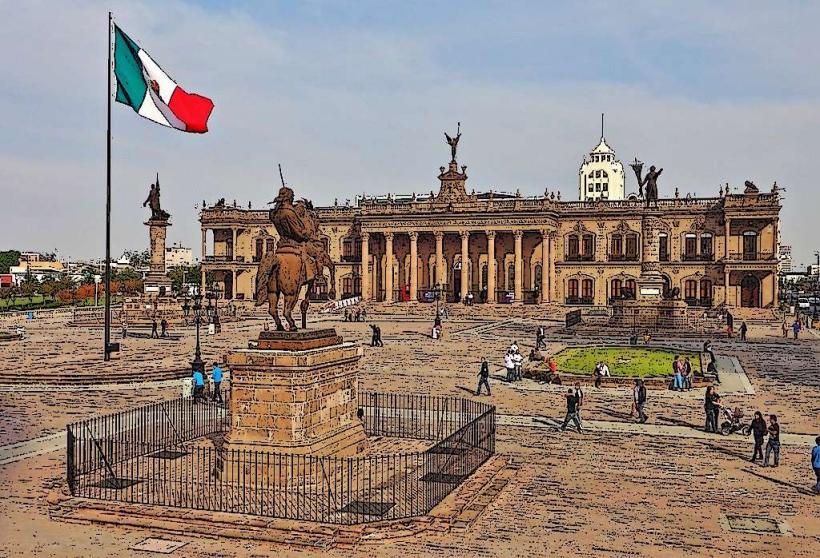
Macroplaza: One of the world's largest public squares (40 hectares), featuring the Faro del Comercio (Commerce Lighthouse) which shoots a green laser across the night sky.
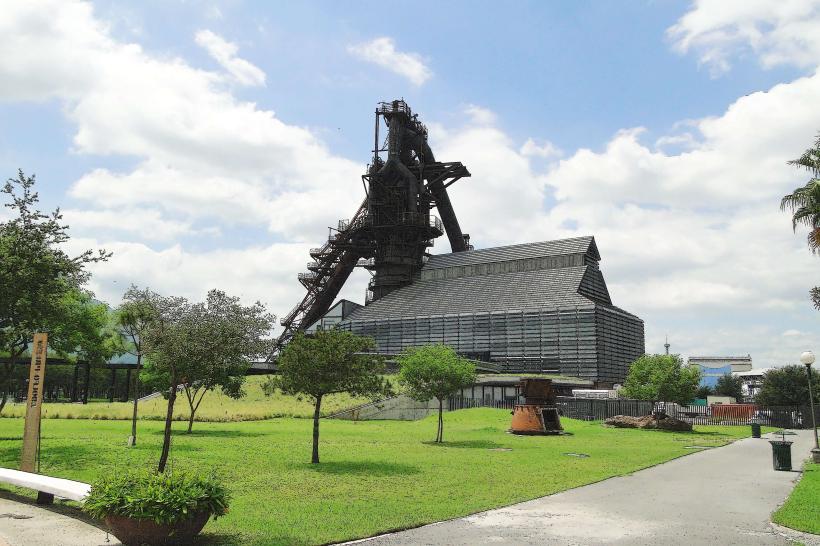
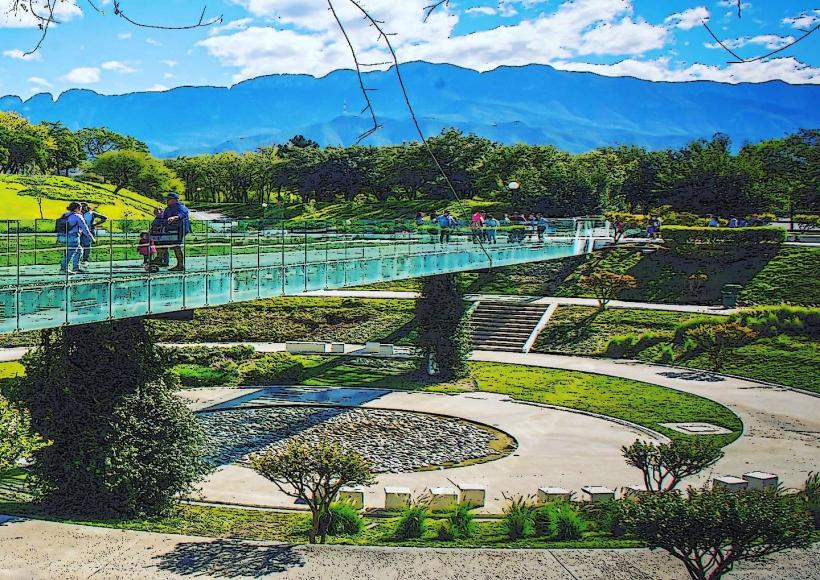
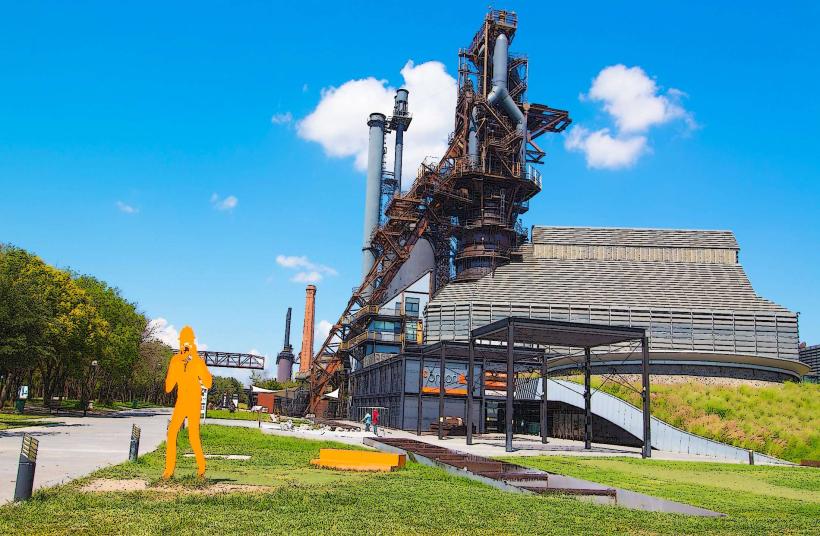
Parque Fundidora: A massive urban park built on the site of a defunct steel foundry; it houses museums (Horno 3), ice rinks, and concert venues.
Paseo Santa Lucía: A 2.5 km artificial river canal connecting the Macroplaza to Fundidora Park; navigable by tour boats or walkable paths.
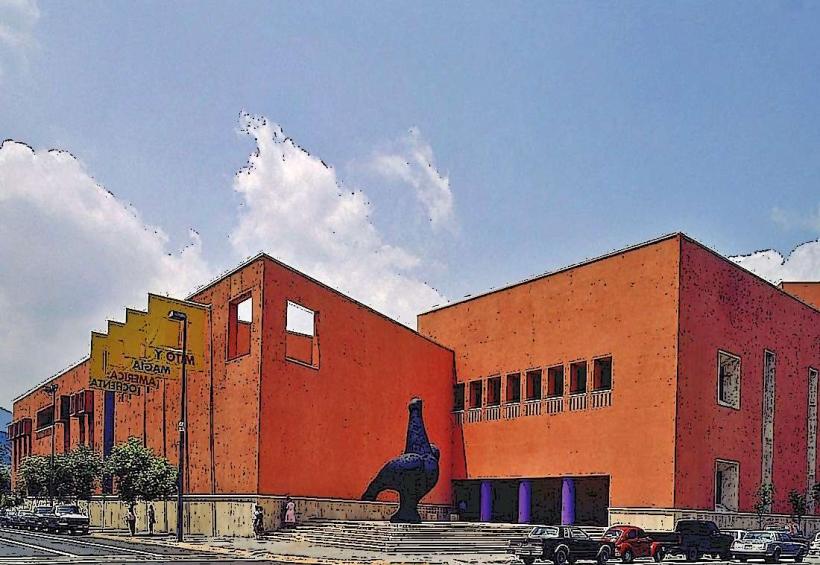
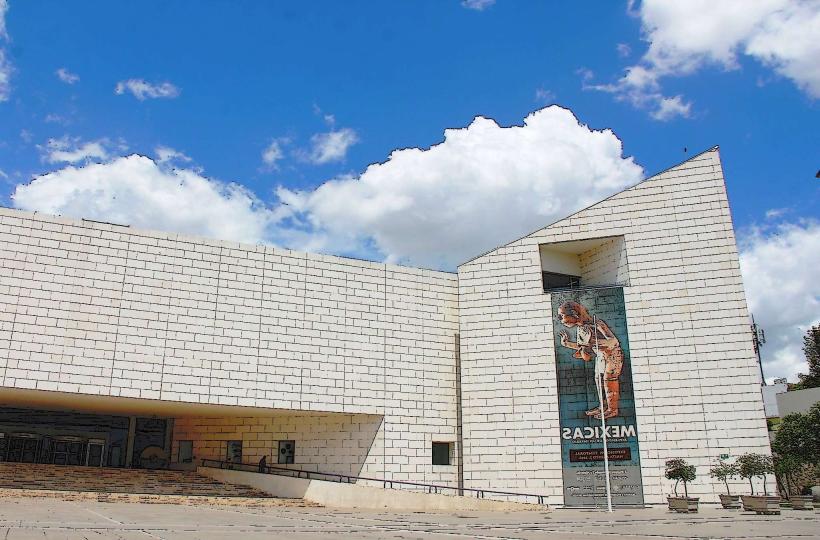
MARCO (Museum of Contemporary Art): One of Mexico's most important contemporary art institutions, located at the edge of the Macroplaza.
García Caves (Grutas de García): Massive cave systems located 30 km outside the city, accessible by a scenic cable car.
Transportation Network
Monterrey utilizes the Metrorrey light rail system and the TarjetA mobility card.
Metro: Lines 1, 2, and 3 are currently operational, with Lines 4, 5, and 6 under phased construction in 2026 to nearly double the network's reach.
Peribús: A high-capacity bus rapid transit (BRT) system that circles the metropolitan area.
Airport: Monterrey International (MTY) is the country's fourth busiest, recently expanded to handle increased World Cup traffic.
Public Transport Cost (2026): A metro ride is approximately 8.50–10.00 MXN ($0.45–$0.55).
Safety & "Red Zones"
Monterrey is generally safer for tourists than border cities like Nuevo Laredo, but vigilance is required.
Red Zones: Avoid the peripheral municipalities of Escobedo and Juárez at night. Within the city, exercise caution in neighborhoods like Independencia and La Campana.
Highway Travel: In 2026, road travel between Monterrey and Nuevo Laredo (Highway 85D) is classified as high-risk; it is recommended to travel only during daylight and use toll roads (cuotas).
San Pedro: Statistically the safest area in Mexico; visitors can generally walk freely here at night.
Digital & Financial Infrastructure
Financials: High card acceptance; Visa and Mastercard are universal. San Pedro and Polanco (Mexico City) are the only areas in Mexico where "cashless" is becoming a feasible reality.
Connectivity: 5G is standard throughout the metro area. Monterrey is the headquarters for major Mexican tech and industrial firms like CEMEX and FEMSA.
Climate & Air Quality
Climate: Extreme semi-arid; winters can drop to $0^{\circ}\text{C}$ while summers frequently exceed $40^{\circ}\text{C}$.
Air Quality: A significant challenge. Due to industrial density and geographic basin effect, Monterrey often has the worst air quality in Mexico. In 2026, the "Integral Ecological Committee" issues frequent "Contingencia" alerts.
Water: After the 2022 water crisis, the city completed the El Cuchillo II aqueduct; however, water conservation is a strictly enforced social norm.
Culture & Social Norms
Cuisine: Famous for Cabrito (roasted kid goat) and Arrachera (skirt steak). Sunday carne asada (barbecue) is a mandatory social ritual for locals (Regiomontanos).
Social: The culture is direct, industrious, and competitive.
Tipping: 10–15% is standard.
Local Cost Index (2026 Estimates)
1 Espresso: 60–85 MXN ($3.20–$4.50)
1 Serving of Cabrito: 450–700 MXN ($24–$37)
1 Mid-range Dinner for Two: 1,200–1,800 MXN ($63–$95)
Nearby Day Trips
Santiago (Pueblo Mágico): A colonial town 30 minutes south, gateway to the Cola de Caballo (Horsetail Falls).
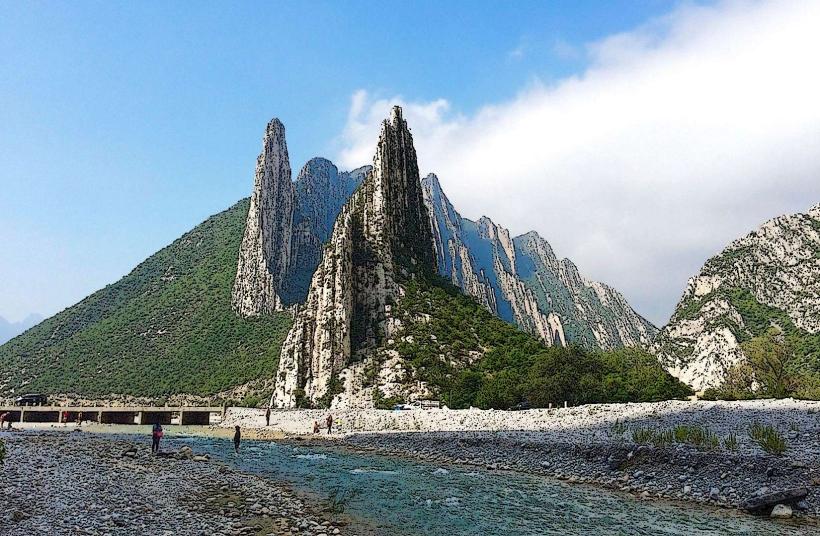
La Huasteca Canyon: Stunning limestone cliffs for rock climbing and photography (20 mins west).
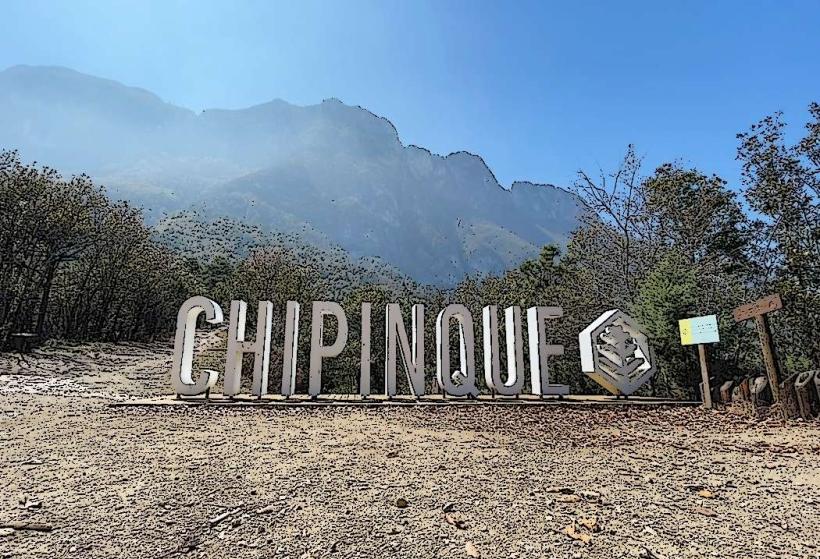
Chipinque Ecological Park: Pine-oak forests on the mountain slopes for hiking and cycling, offering the best views of the city.
Facts & Legends
A verified historical oddity is that the Fundidora de Fierro y Acero de Monterrey (now the park) produced the first steel in Latin America in 1903. A prominent local legend is the "Man-Bird" (Hombre Pájaro); sightings of a giant winged humanoid have been reported near the Cerro de la Silla since the 1980s, often viewed as a harbinger of environmental or social change.