Information
City: Nebraska CityCountry: USA Nebraska
Continent: North America
Nebraska City, USA Nebraska, North America
Nebraska City is the oldest incorporated city in Nebraska and is internationally recognized as the "Home of Arbor Day." It is situated on the west bank of the Missouri River in the southeastern corner of the state, approximately 70 km south of Omaha.
Historical Timeline
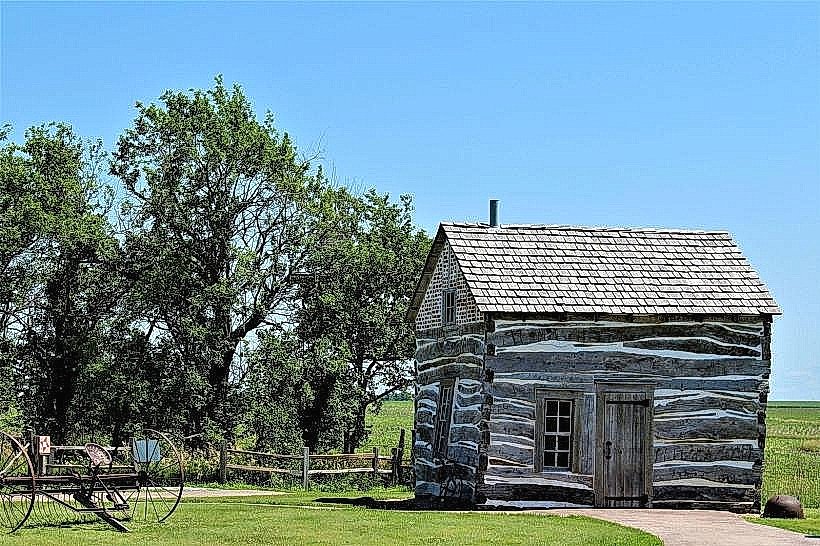
Founded in 1854 and incorporated in 1855, the city served as a vital river port and freighting hub for westward expansion. Its location on the Missouri River made it a primary jumping-off point for steamboats and wagon trains. In 1872, resident J. Sterling Morton, who later served as U.S. Secretary of Agriculture, proposed the first "Arbor Day" to encourage tree planting on the Nebraska prairie. The city also played a role in the Underground Railroad; the Mayhew Cabin (1855) remains the only site in Nebraska officially recognized by the National Park Service as a station for freedom seekers.
Demographics & Population
The 2026 estimated population is 7,526. The primary ethnic demographics are White (80.6%), Hispanic or Latino (14.2%), and Black or African American (1.6%). The median age is 37.7 years.
Urban Layout & Key Districts
The city is organized on a grid system that slopes upward from the Missouri River.
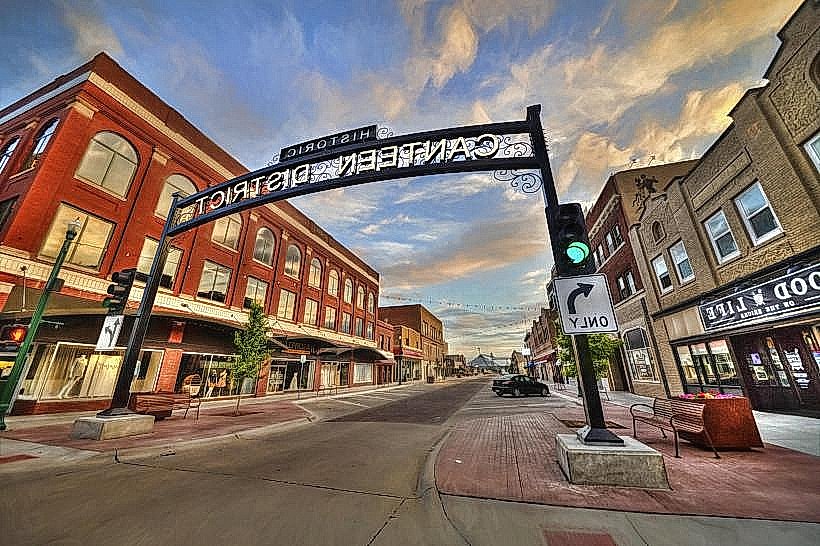
Central Avenue/Downtown: The historic commercial core featuring red-brick architecture and local retail.
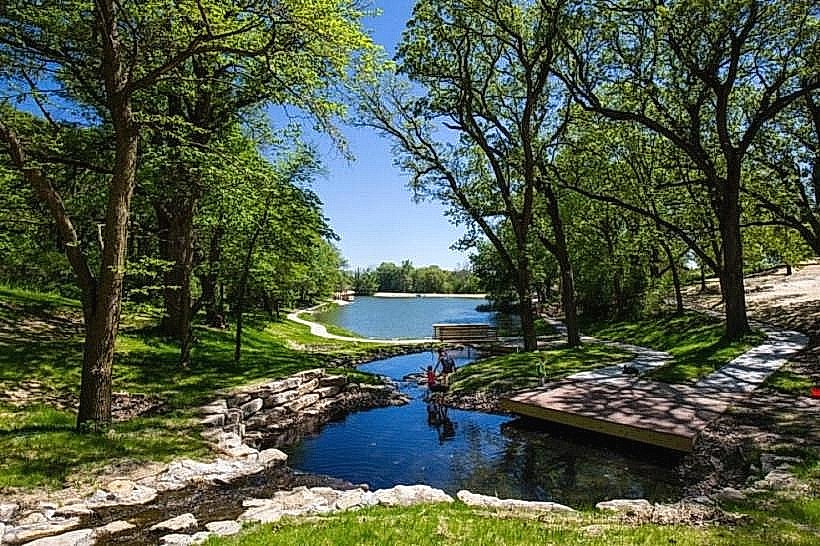
Arbor Day Farm (West): A 260-acre estate dedicated to conservation, education, and apple production.
Riverfront (East): Formerly the industrial heart, now housing the Lewis and Clark Interpretive Center.
Top City Landmarks
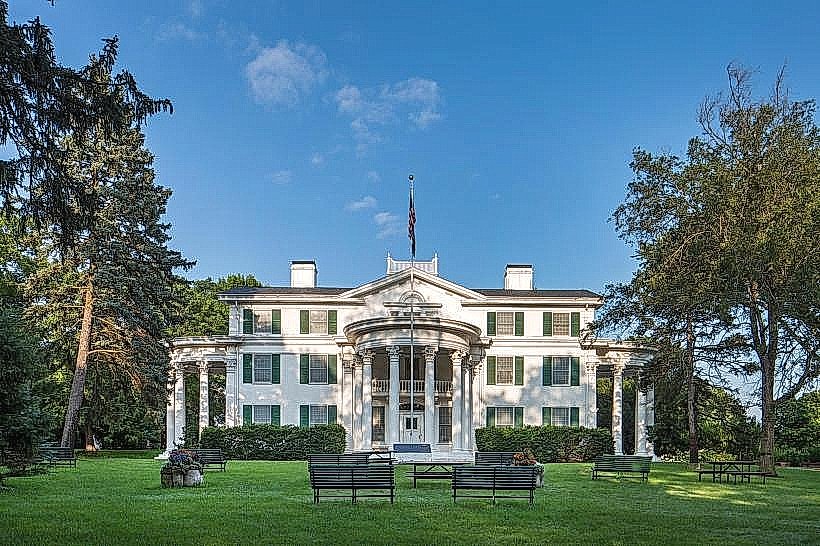
Arbor Lodge State Historical Park: The 52-room neo-colonial mansion and arboretum of J. Sterling Morton.
Arbor Day Farm / Tree Adventure: Featuring a 50-foot-high canopy walk and the Treetop Village.
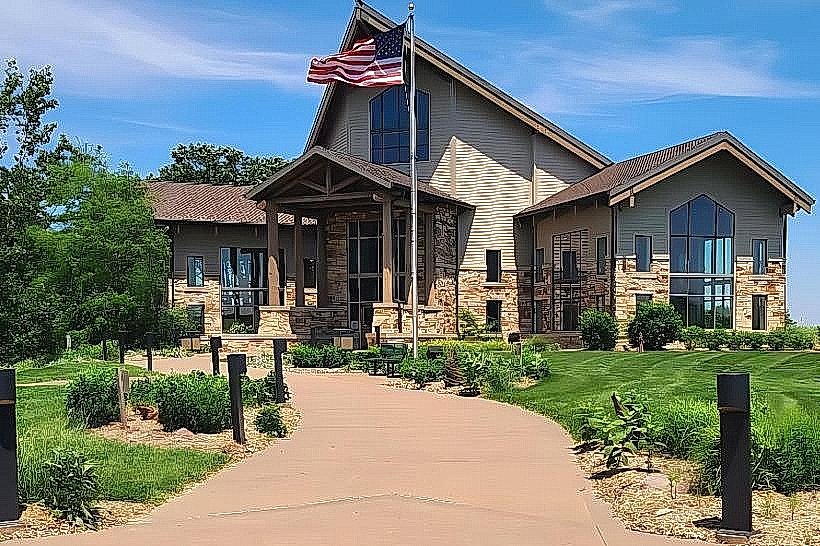
Missouri River Basin Lewis and Clark Center: Focuses on the natural history discoveries of the expedition.
Kregel Windmill Factory Museum: A perfectly preserved 20th-century factory once used for windmill production.
Mayhew Cabin & John Brown's Cave: The oldest building in the city and an Underground Railroad site.
Transportation Network
The city is highly dependent on private vehicles. There is no fixed-route municipal bus system; demand-response transit is provided by Blue Rivers Public Transportation. Major road access is provided by Highway 75 (North-South) and Highway 2 (East-West). Traffic density is low, though peak tourist volumes occur during the AppleJack Festival in late September.
Safety & "Red Zones"
The general safety level is very high, characterized by a small-town environment. Property crime is low and primarily restricted to unlocked vehicles in commercial parking areas. There are no designated "red zones."
Digital & Financial Infrastructure
Average internet speeds reach 1 Gbps via fiber providers like Allo Fiber and Kinetic (Windstream). Mobile coverage from Verizon is robust; T-Mobile and AT&T have stable signals in the city core but can be weaker in the surrounding orchards. Card acceptance is universal. ATMs are concentrated on Central Avenue and 11th Street.
Climate & Air Quality
Summers (June–August) are hot and humid, with temperatures ranging from 18°C to 32°C. Winters (December–February) are cold and dry, ranging from -9°C to 3°C. The city experiences significant rainfall in the spring, which benefits the regional apple orchards. Air quality is consistently "Good."
Culture & Social Norms
Tipping of 18–20% is standard. The local culture is deeply rooted in environmental stewardship and agriculture. Each September, the city hosts the AppleJack Festival, attracting over 60,000 visitors. Dress code is casual and functional for outdoor activities. Smoking is prohibited in public indoor spaces. Alcohol is sold in grocery and liquor stores; Sunday sales begin at 12:00 PM.
Accommodation Zones
Arbor Day Farm/Lied Lodge: Stay here for high-end, timber-themed lodging and direct access to conservation trails.
South 11th Street Corridor: Stay here for national hotel chains and proximity to modern retail.
Local Cost Index
Espresso: $4.25
Standard Lunch: $13.50
Arbor Lodge Mansion Admission: $10.00
Nearby Day Trips
Omaha (Old Market/Zoo): 70 km (50 mins)
Lincoln (State Capitol): 85 km (1 hour)
Brownville (Historic River Town): 40 km (35 mins)
Waubonsie State Park (Iowa): 15 km (15 mins) – Located across the Missouri River.
Facts & Legends
Nebraska City is the birthplace of the modern environmental movement through the creation of Arbor Day. A local legend at the Mayhew Cabin suggests that John Brown used a series of tunnels (caves) to transport escaped slaves to the Missouri River under the cover of night. Additionally, the Kregel Windmill Museum is considered one of the best-preserved industrial time capsules in the U.S., as it remains exactly as it was when the doors were locked in the 1930s.