Information
City: PierreCountry: USA South Dakota
Continent: North America
Pierre, USA South Dakota, North America
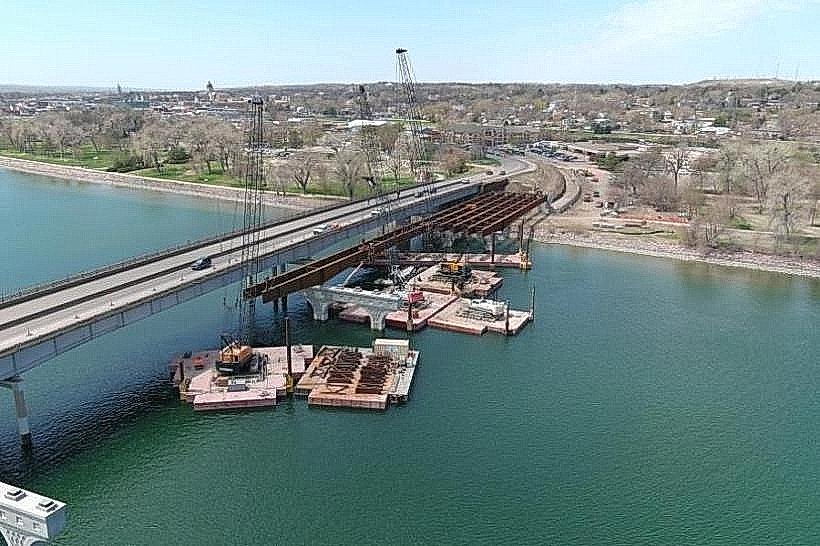
Pierre is the seat of Hughes County and the capital of South Dakota, situated on the east bank of the Missouri River. It is the second-least populous state capital in the United States and is defined by its role as a centralized administrative hub and its proximity to the Lake Oahe reservoir.
Historical Timeline
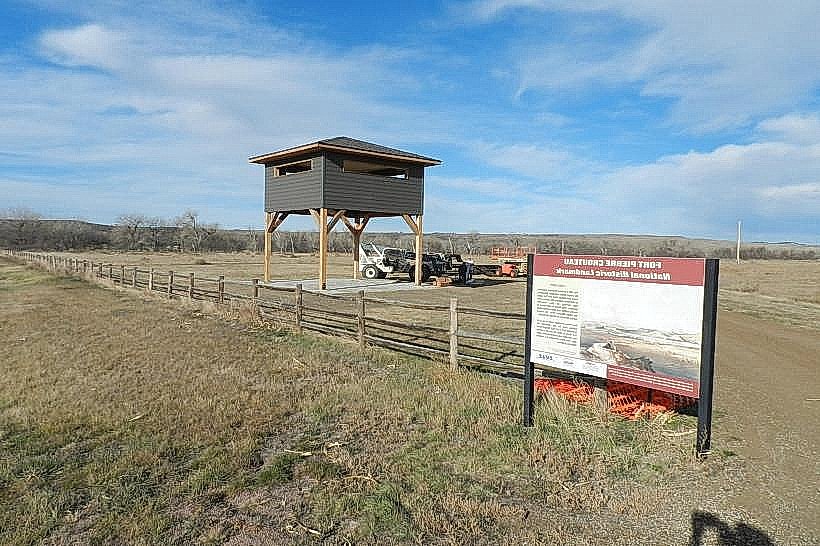
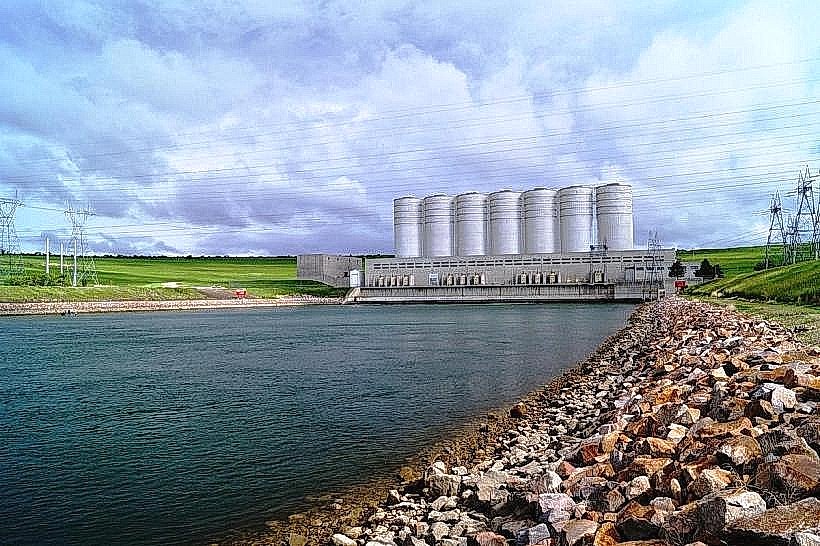
Inhabited by the Arikara and later the Lakota Sioux. The site was a critical point for the fur trade, marked by the 1817 establishment of Fort Pierre Chouteau across the river. Founded in 1880 as the western terminus of the Chicago and North Western Railway; named after Pierre Chouteau Jr. A critical historical event occurred in 1889 when it was selected as the state capital following a highly contested regional battle with the city of Huron. In the 20th century, the construction of the Oahe Dam (1948–1962) transformed the regional geography and economy. In the 21st century, the city remains focused on government operations and outdoor recreation tourism.
Demographics & Population
The population is approximately 14,000. The demographics are White (82%), Native American (11%), and Hispanic or Latino (3%). The economy is almost entirely driven by state government, followed by healthcare (Avera St. Mary’s) and seasonal tourism related to hunting and fishing.
Urban Layout & Key Districts
Pierre is organized along the riverfront with a compact core and significant green space.
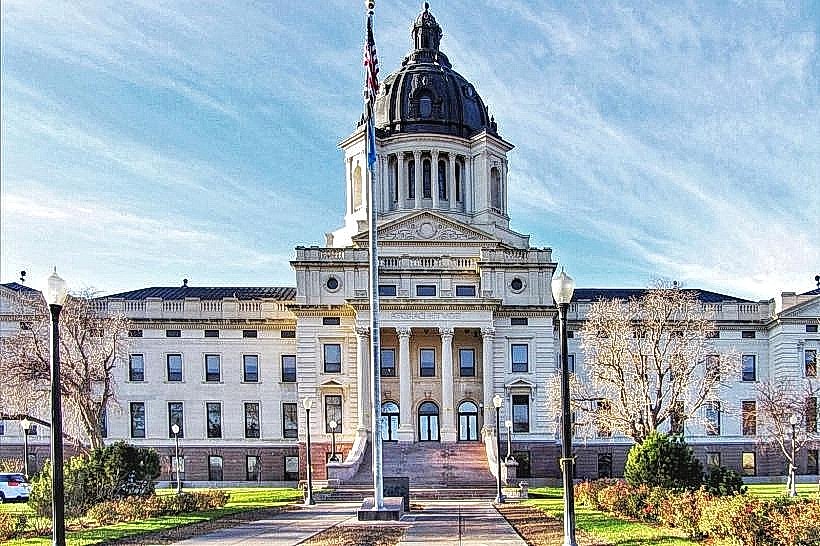
Capitol District: The northern section of the core, housing the State Capitol, the Governor’s Mansion, and state agency offices.
Downtown: The historic commercial sector along Euclid Avenue and Dakota Avenue, featuring independent retail and local dining.
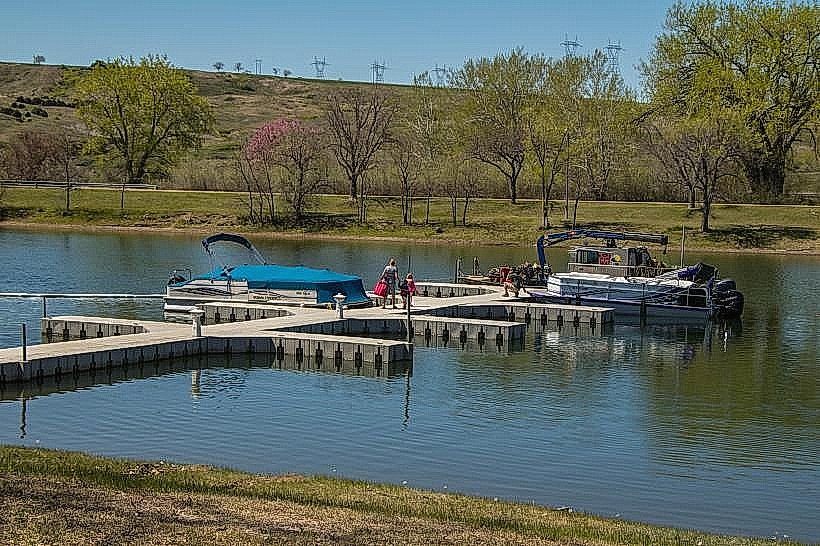
Steamboat Park / Riverfront: A recreational corridor along the Missouri River featuring walking trails and docks.
Fort Pierre: An independent city located directly across the Missouri River (west bank) in Stanley County, functionally integrated with Pierre.
Top City Landmarks
South Dakota State Capitol: Completed in 1910; a Neoclassical structure known for its interior terrazzo tile floors and the "Fighting Stallions" memorial.
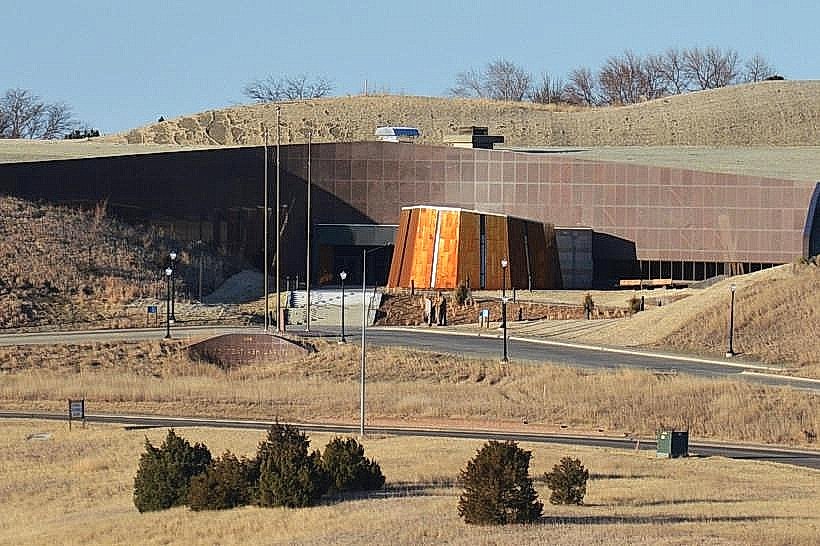
South Dakota State Historical Society (Cultural Heritage Center): Built into a hillside near the capitol, housing extensive Lakota Sioux and pioneer artifacts.
Oahe Dam: One of the largest earth-fill dams in the world, creating Lake Oahe, which stretches 370 km north to Bismarck.
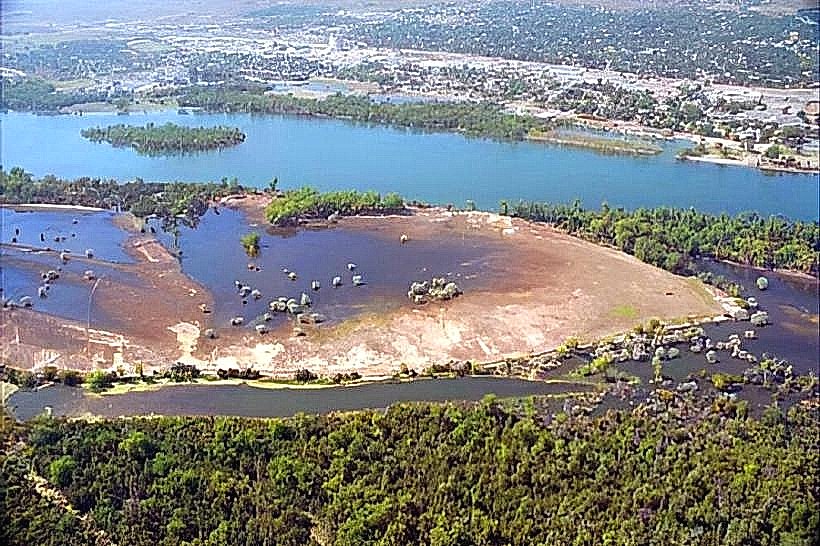
LaFramboise Island: A large, wooded island in the Missouri River offering extensive hiking trails and wildlife viewing.
Trail of Governors: A series of life-size bronze statues of former South Dakota governors positioned throughout the downtown and capitol grounds.
Verendrye Monument: Located in Fort Pierre; marks the site where French explorers buried a lead plate in 1743 claiming the region for France.
Transportation Network
Movement is automotive-centric. Pierre is one of only four state capitals not served by an Interstate highway; it is accessed via US-14, US-83, and SD-34. Public transit is limited to River Cities Public Transit (on-demand). Commercial air service is via Pierre Regional (PIR), primarily connecting to Denver.
Safety & "Red Zones"
The general safety level is very high. Crime rates are significantly lower than the national average. There are no definitive "red zones." Environmental hazards include extreme winter blizzards, high-velocity winds, and occasional river flooding.
Digital & Financial Infrastructure
Internet speeds average 200–500 Mbps with fiber availability via Midco and CenturyLink. Main mobile carriers are Verizon and AT&T. Card acceptance is universal. South Dakota has no state income tax, but the state sales tax is 4.2% (plus local city tax).
Climate & Air Quality
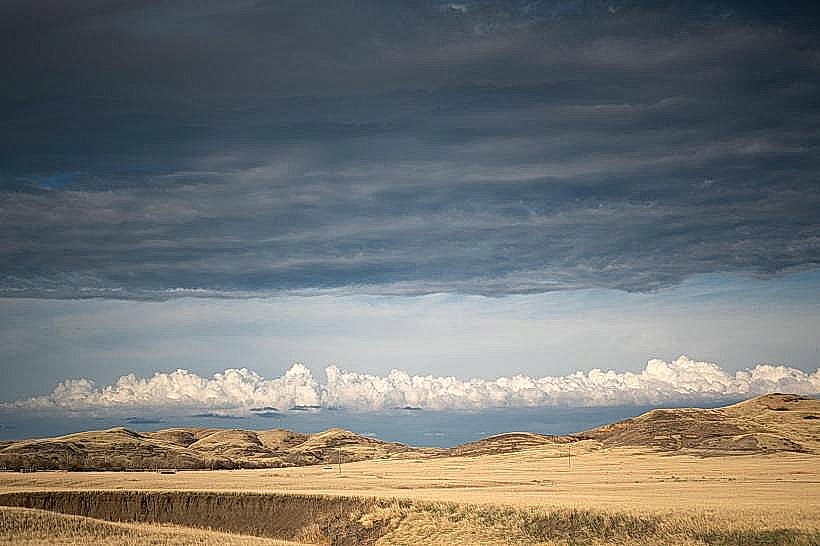
Temperatures range from -14°C to -1°C in winter and 16°C to 32°C in summer. The climate is semi-arid and highly volatile. Air quality is consistently among the highest in the U.S.
Culture & Social Norms
The standard tipping percentage is 20%. A "Reserved-Friendly" Midwestern greeting is standard. Dress codes are "Casual," with "Business-Casual" common near the capitol. The city is culturally defined by Hunting/Fishing culture, its small-town scale, and its identity as a "Government Town."
Local Cost Index
1 Espresso: $4.25 (USD)
1 Standard Lunch: $14.00 (USD)
1 Cultural Heritage Center Admission: $8.00.
Nearby Day Trips
Lake Oahe: (Immediately north; a massive destination for walleye fishing and boating).
Badlands National Park: (120 km west; featuring dramatic eroded buttes and pinnacles).
Wall Drug Store: (130 km west; the world-famous roadside attraction in Wall, SD).
Facts & Legends
Pierre is the only U.S. state capital that shares no letters with its state's name. Historically, it was the site where the Verendrye Plate was discovered by schoolchildren in 1913, proving early French exploration of the interior. A local legend involves the "Taku-He," a Bigfoot-like creature rumored to haunt the plains north of the city. Another legend concerns the "Secret Capitol Bunkers" alleged to have been built during the Cold War to house state leadership.