Information
Landmark: Fort Pierre National GrasslandCity: Pierre
Country: USA South Dakota
Continent: North America
Fort Pierre National Grassland, Pierre, USA South Dakota, North America
Spanning more than 115,000 acres of rolling prairie in central South Dakota, the Fort Pierre National Grassland is a haven of wide-open spaces, diverse wildlife, and rich cultural history. Managed by the U.S. Forest Service, it preserves one of the largest remaining tracts of mixed-grass prairie in the northern Great Plains. The grassland offers visitors a chance to experience South Dakota’s natural landscapes much as early settlers, Native American tribes, and wildlife did centuries ago-vast, unbroken horizons under an expansive sky.
Landscape and Environment
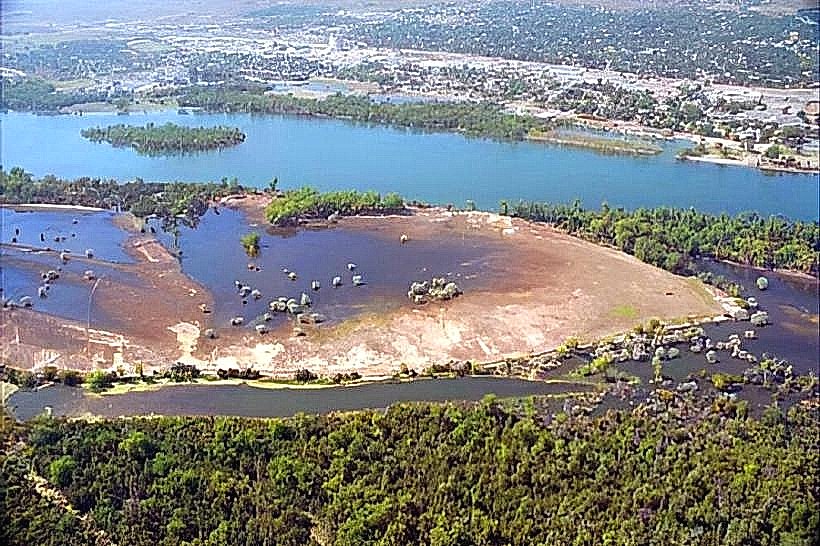
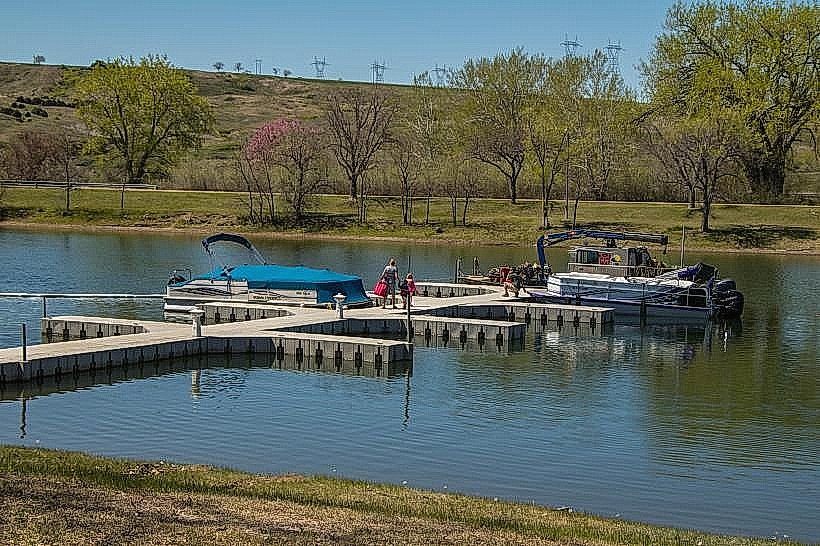
The Fort Pierre National Grassland features gently rolling hills, sandstone bluffs, meandering streams, and river valleys that create a mosaic of habitats. Prairie grasses such as little bluestem, big bluestem, and switchgrass dominate the landscape, interspersed with wildflowers that bloom in vibrant colors during spring and summer. Seasonal weather patterns bring a dramatic sky and shifting light, enhancing the prairie’s sense of vastness. The Missouri River and several smaller tributaries provide water for wildlife and create riparian corridors where cottonwoods and willows flourish.
Wildlife and Ecology
The grassland supports an impressive variety of wildlife. Visitors may encounter white-tailed deer, pronghorn antelope, coyotes, and prairie dogs, while birds such as hawks, eagles, meadowlarks, and sandhill cranes are commonly seen or heard overhead. The area is also a vital stopover for migratory birds, making it a popular destination for birdwatchers. Seasonal changes bring shifting patterns of plant growth and animal activity, offering a dynamic and ever-changing experience for visitors. Conservation efforts focus on maintaining native prairie grasses, controlling invasive species, and monitoring wildlife populations to ensure the grassland’s ecological health.
Recreational Activities
Fort Pierre National Grassland provides numerous opportunities for outdoor recreation. Hiking and horseback riding trails wind through the prairie, offering solitude and scenic vistas. Hunters visit during regulated seasons for deer, upland birds, and small game. The Missouri River corridor allows for canoeing, kayaking, and fishing, while dispersed camping and wildlife photography are popular among visitors seeking immersive natural experiences. The wide-open landscape also makes it ideal for stargazing, with minimal light pollution revealing spectacular night skies.
Cultural and Historical Significance
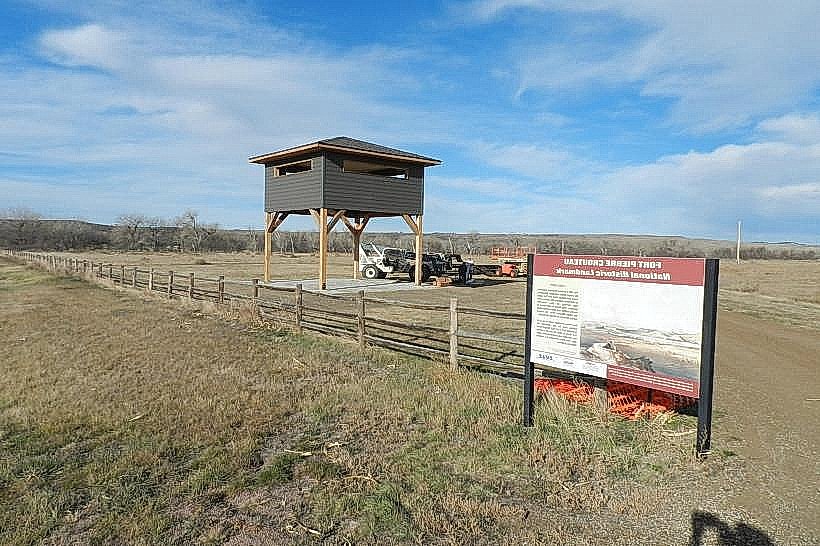
The grassland has been home to Native American tribes for centuries, serving as hunting grounds and seasonal settlement areas. Artifacts and historical sites, including traces of early fur trade routes and pioneer trails, link the area to broader regional history. Preservation of the land ensures that these cultural touchstones remain part of the living landscape, providing a tangible connection to South Dakota’s past. Interpretive signs along some trails educate visitors about the land’s ecological and cultural history, deepening appreciation for the region.
Visitor Experience
Visitors to the Fort Pierre National Grassland are greeted by sweeping vistas and the quiet rhythm of prairie life. Roads and trailheads provide access to key areas, but much of the land remains wild and undeveloped, allowing for exploration and discovery. Wildlife sightings, wildflower blooms, and the ever-changing sky create a sensory experience unique to the Great Plains. Visitors often remark on the sense of scale and freedom, feeling a deep connection to the landscape and its history.
Legacy and Importance
The Fort Pierre National Grassland preserves one of the last great expanses of native prairie, protecting both ecological integrity and cultural heritage. It serves as a living laboratory for understanding grassland ecosystems, a refuge for wildlife, and a recreational haven for people seeking connection with nature. By safeguarding this land, South Dakota maintains a vital link to the region’s natural and historical roots, offering generations of visitors a place to explore, learn, and reflect on the enduring beauty of the prairie.