Information
City: Santa ClaraCountry: Cuba
Continent: North America
Santa Clara, Cuba, North America
Santa Clara serves as the revolutionary heart of central Cuba and the capital of Villa Clara Province. It is a critical inland transport hub located approximately 270 kilometers east of Havana and serves as the primary gateway to the northern cays (Jardines del Rey).
Historical Timeline
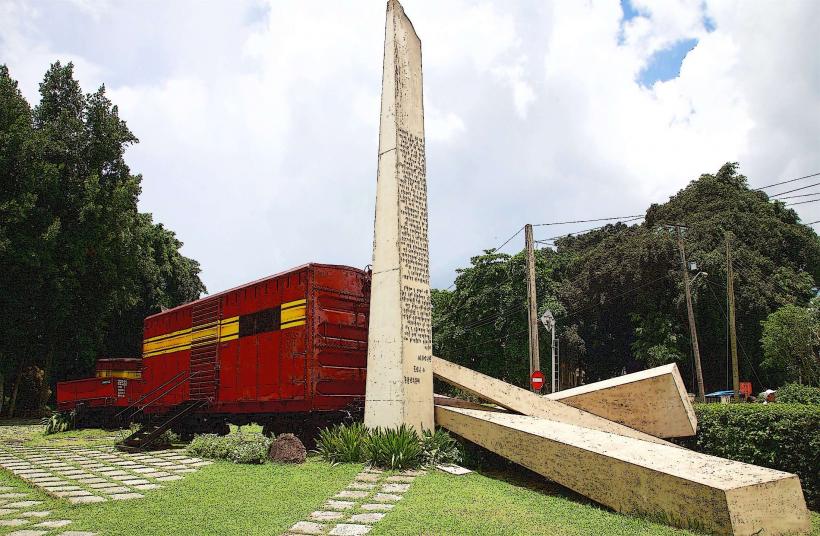
Founded in 1689 by families fleeing pirate attacks in Remedios, the city was established under a tamarind tree on Loma del Carmen. The primary era of development occurred during the 19th century as a rail junction for the sugar industry. The most significant event shaping the current urban and national identity was the Battle of Santa Clara in December 1958, where Ernesto "Che" Guevara’s forces derailed an armored military train, leading to the collapse of the Batista regime.
Demographics & Population
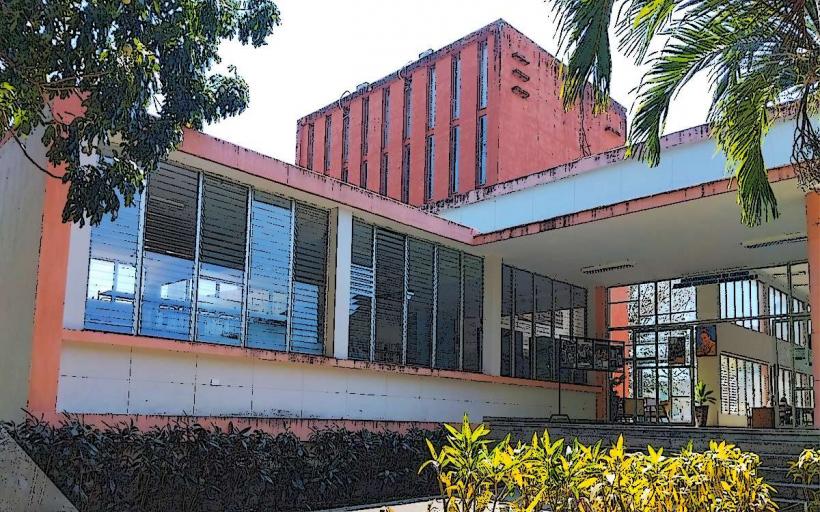
The city has a population of approximately 250,000, making it one of Cuba’s five largest urban centers. It is home to the Universidad Central "Marta Abreu" de Las Villas, which infuses the city with a large student population and a more progressive, youthful atmosphere than other provincial capitals. The demographic is approximately 75% White, with significant Black and Mestizo minorities.
Urban Layout & Key Districts
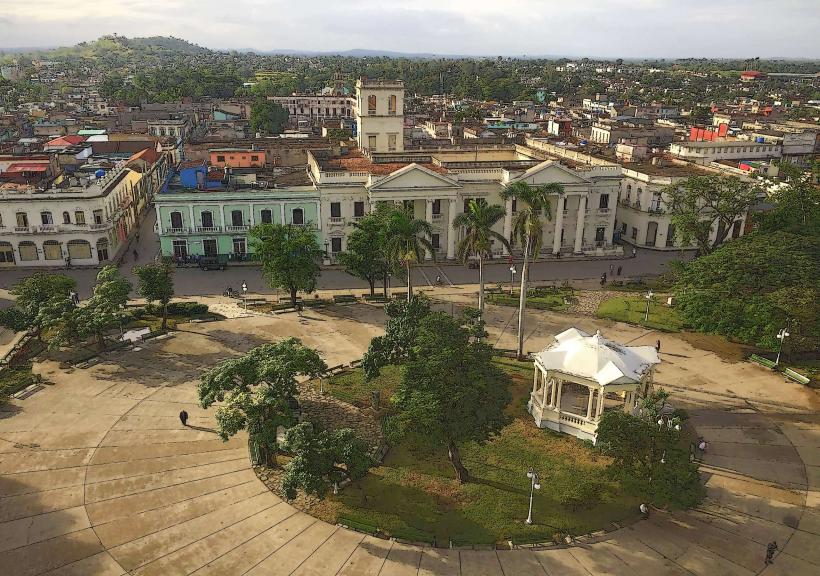
The city is organized around Parque Vidal, which serves as the social and geographical center. Unlike many colonial cities, Santa Clara features a mix of eclectic, neoclassical, and mid-century architecture. El Condado is a high-density traditional neighborhood. Pueblo Nuevo houses many of the city’s colonial structures. The University District (East) is the center for student life and research.
Top City Landmarks
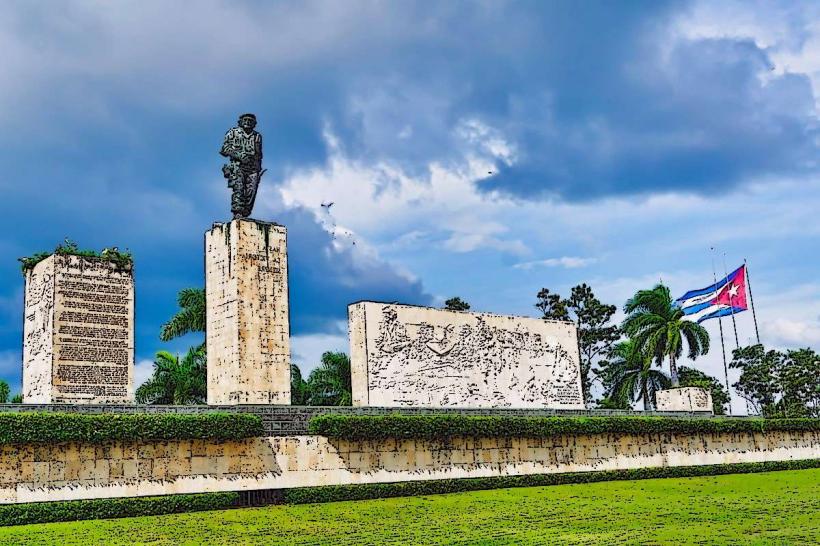
Che Guevara Mausoleum & Memorial: Houses the remains of Guevara and his comrades.
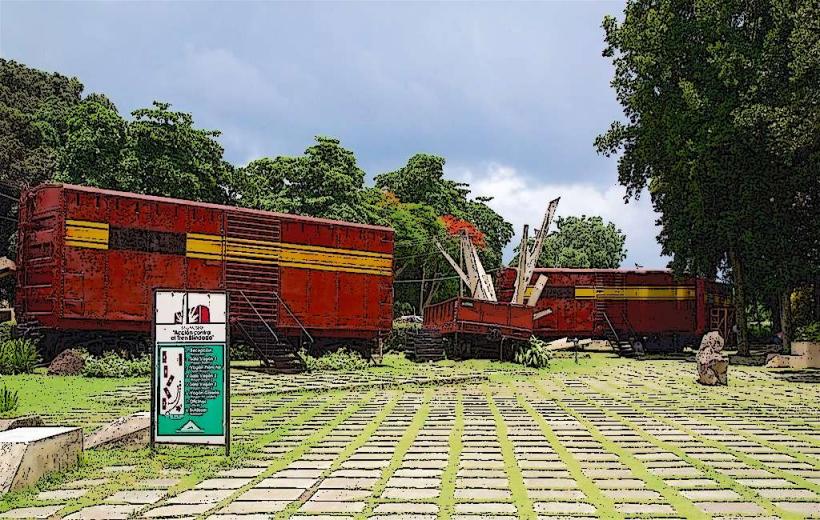
Monumento a la Toma del Tren Blindado: Site of the 1958 armored train derailment.
Parque Vidal: National Monument and the city's primary social hub.
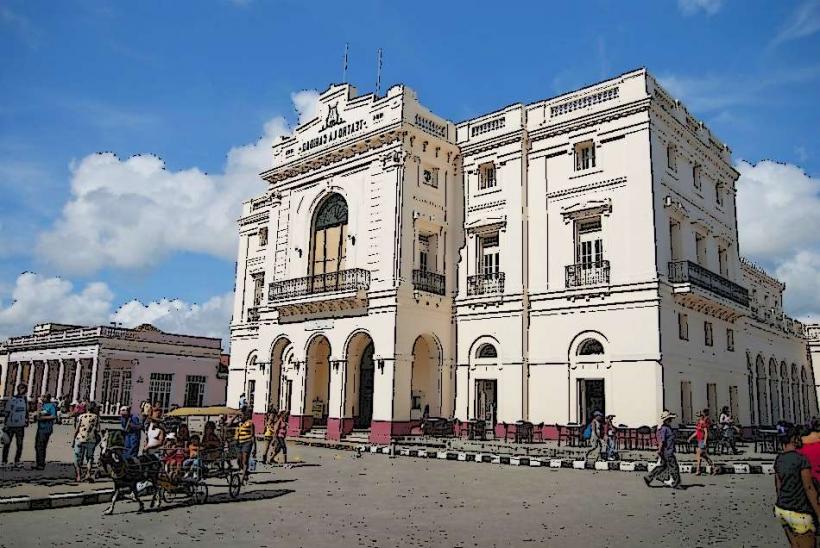
Teatro La Caridad: One of Cuba's eight grand colonial theaters (built 1885).
Loma del Capiro: Strategic hill offering panoramic views of the city.
Transportation Network
Movement within the city relies on buses, taxis, and a high volume of horse-drawn carriages and bicycle taxis (bicitaxis). There is no metro. Santa Clara is a major node on the Central Highway and the primary national railway line. Abel Santamaría International Airport provides direct access to international markets, primarily for travelers heading to Cayo Santa María.
Safety & "Red Zones"
Santa Clara is generally very safe, even at night, due to its student-heavy population and high levels of social integration. Avoid the marginal areas of El Condado late at night to prevent petty theft. Common scams involve "unlicensed" guides around the Che Guevara Memorial or people selling fake entrance tickets to the free museums.
Digital & Financial Infrastructure
Internet is accessed via ETECSA Wi-Fi hotspots in Parque Vidal and around major hotels like the Santa Clara Libre. Fiber optic and 4G mobile data are functional but prone to congestion. The economy uses the Cuban Peso (CUP). Cash is essential; ATMs are located near Parque Vidal but frequently experience long queues and currency shortages.
Climate & Air Quality
Temperatures range from 18°C to 32°C. Being inland, the city can feel hotter than coastal zones due to reduced sea breezes. Air quality is fair, though the central core experiences localized diesel exhaust from the heavy volume of trucks and vintage buses transiting the central hub.
Culture & Social Norms
The culture is "Liberal" and intellectually driven. It is home to El Mejunje, a famous cultural center known for its inclusivity and Cuba's longest-running drag show. Tipping is 10%. Dress is casual and youthful. The city is the burial place of its benefactress, Marta Abreu, whose name appears on many institutions.
Accommodation Zones
Parque Vidal (Center): Stay here in "Casas Particulares" for immediate access to nightlife and history.
Plaza de la Revolución area: Stay here for a quieter environment near the Che memorial.
Local Cost Index
1 Espresso: 100–180 CUP
1 Standard Lunch (Casado/Paladar): 1,200–2,200 CUP
1 Bicitaxi Ride: 100–300 CUP
Nearby Day Trips
Remedios: 45 km (50 minutes), one of the original seven villas of Cuba, famous for the Parrandas festival.
Cayo Santa María: 110 km (1.5 hours), accessed via a 48 km stone causeway (pedraplén).
Hanabanilla Lake: 50 km (1 hour), a mountain reservoir in the Escambray range for hiking and fishing.
Facts & Legends
Local tradition holds that the city must always have a tamarind tree at Loma del Carmen to ensure its prosperity. A modern fact: the Hotel Santa Clara Libre still bears visible bullet holes on its facade from the 1958 battle. Historically, the city is the only place in the world where Che Guevara’s remains are permanently interred in a public mausoleum.