Information
City: SousseCountry: Tunisia
Continent: Africa
Sousse, Tunisia, Africa
Overview
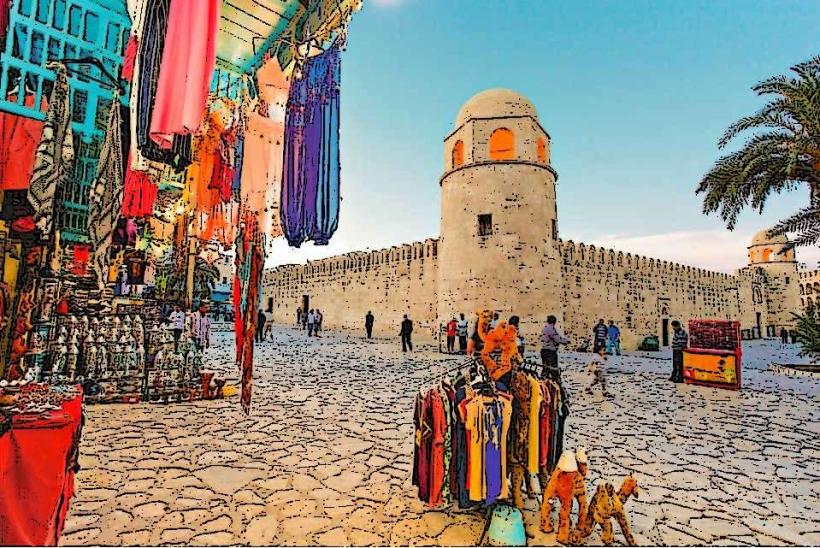
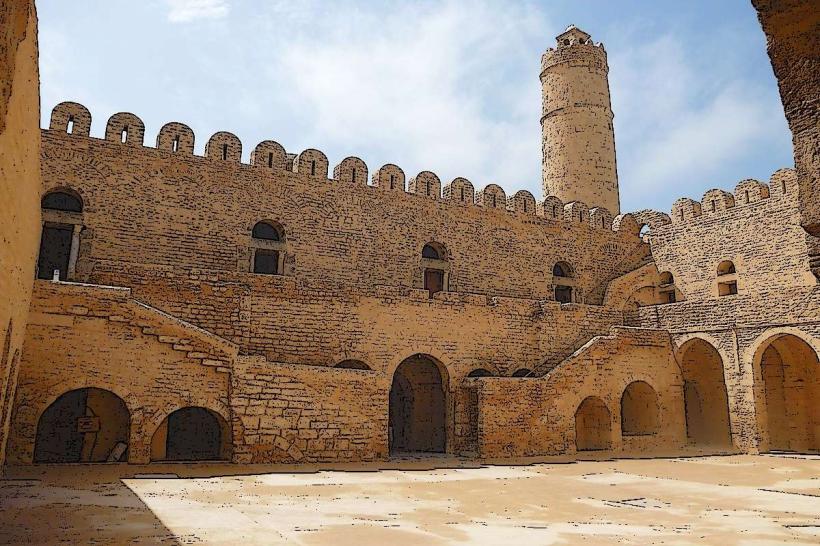
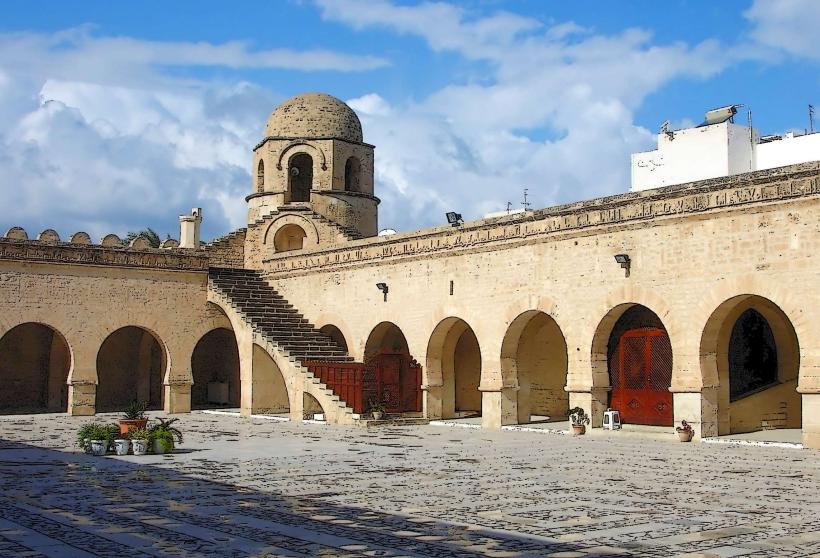
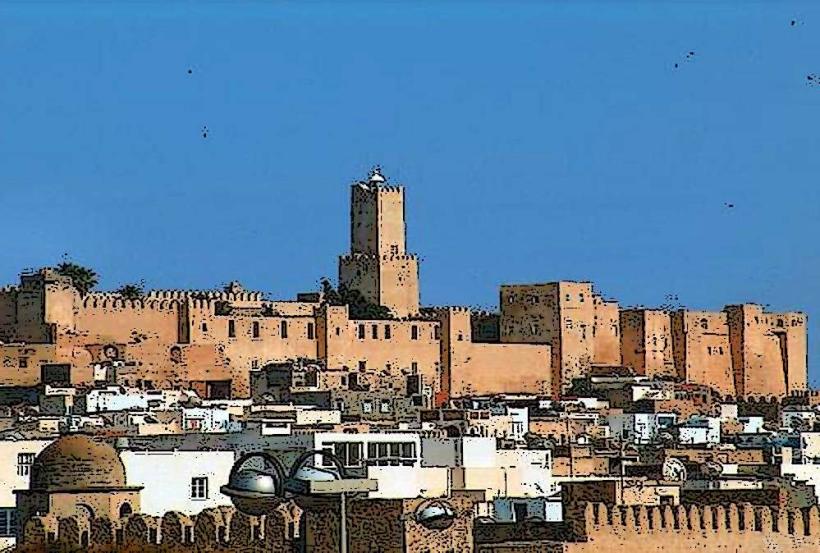
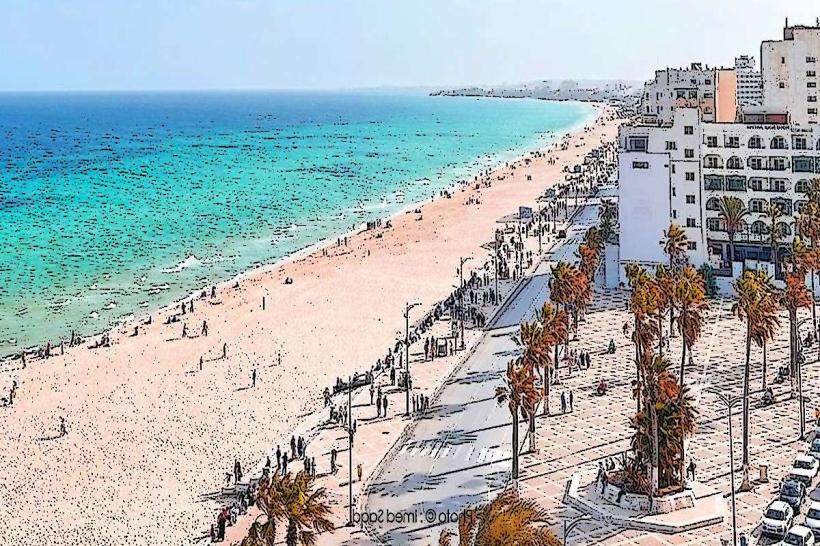
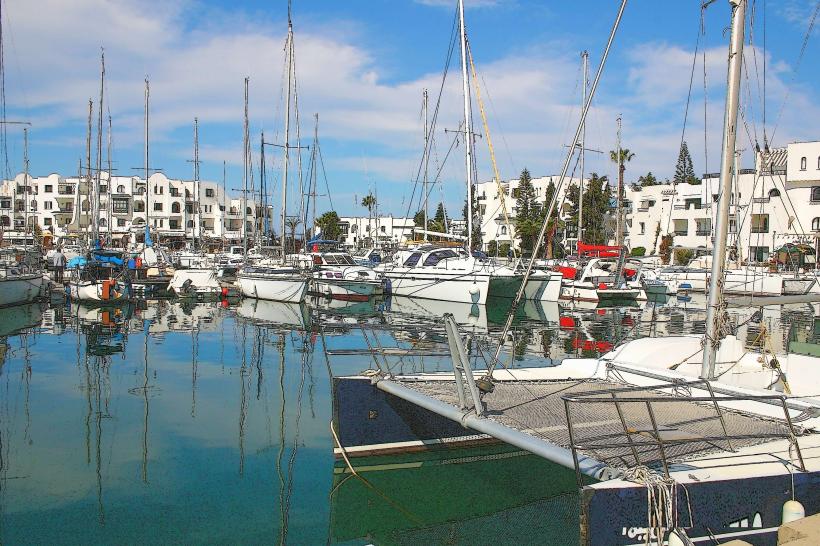
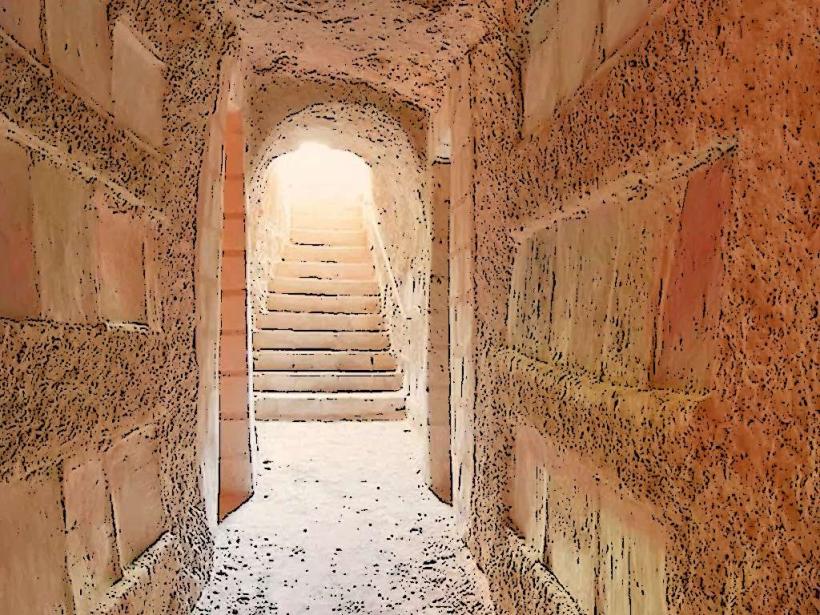
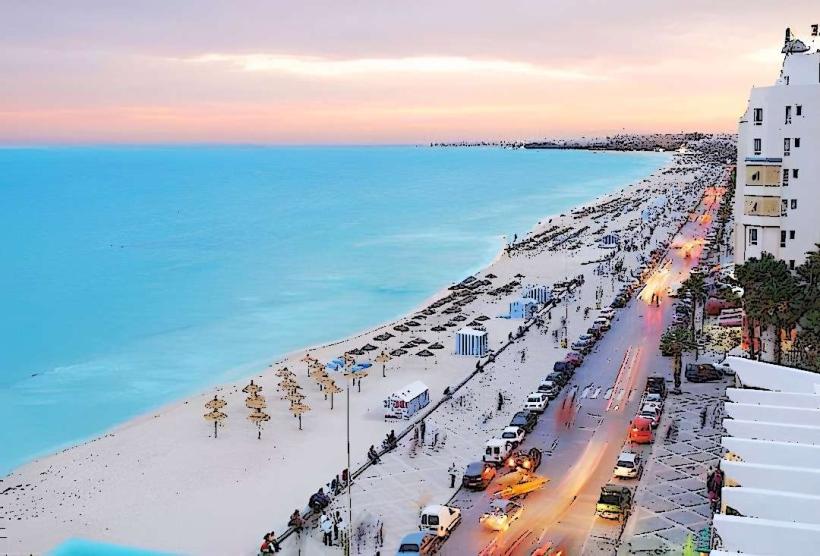
I think, Sousse sits on Tunisia’s east-central coast, where the Gulf of Hammamet meets the Mediterranean, its vintage stone walls watching over the sea, what’s more sousse serves as the capital of its governorate and ranks among Tunisia’s largest cities, its streets buzzing with the scent of fresh bread from corner bakeries.It seems, Home to more than 300,000 people, Sousse blends its centuries-antique streets with bustling cafés and shops, standing out as a key hub for commerce, tourism, and culture, then sousse, once known as ancient Hadrumetum, traces its roots back more than 3,000 years, beginning in the 11th century BC when Phoenician traders set up a bustling port along its sunlit shore.Known as Hadrumetum, it thrived as a bustling port and busy trading hub, where the scent of fresh spices drifted in from ships unloading at the docks, then carthaginian Era: The city flourished under Carthaginian rule, its markets buzzing with traders, and stood firmly by Carthage when war broke out with Rome, loosely Roman Period: After Carthage’s defeat, Sousse slipped under Roman rule, its streets soon echoing with the sound of merchants calling out in Latin, simultaneously it thrived as a bustling Roman colony, tucked within the sun-baked lands of Africa Proconsularis.In the 5th century, the Vandals seized control of the city, their banners snapping in the coastal wind, then the Byzantines took control for a time, until the Muslim armies swept in.During the 9th century, the Aghlabids rebuilt the city, strengthened its walls, and turned it into a bustling military and naval base where the clang of hammers echoed across the harbor, while the city’s medina was built during this time, its narrow lanes still echoing with the scent of spice and fresh bread, slightly During the Hafsid, Spanish, and later Ottoman eras, it stayed a bustling coastal city where the scent of salt hung in the air, as a result under French rule from 1881 to 1956, Sousse grew into a bustling port and trading hub, with ships unloading crates of spices along its docks, and it kept expanding after Tunisia gained independence, partially Sousse sits roughly 140 kilometers south of Tunis, in the Sahel region, where wide olive-filled plains stretch across the flat, sunbaked land, what’s more urban Structure: The city centers on its historic medina, a maze of narrow alleys and sun-warmed stone, recognized as a UNESCO World Heritage Site.The modern city stretches out around it, anchored by a busy port and lively neighborhoods, with the northern shore dotted by resorts along sunlit, sandy beaches, then sousse’s economy is varied, with tourism at its heart-one of Tunisia’s top spots for European travelers, drawn by sunlit beaches and bustling markets.You’ll find beaches, lively cultural spots, and resort hotels here, with Port El Kantaoui in the north boasting white sand and a busy marina, in addition the area’s industries range from textile manufacturing to food processing, with mechanical workshops humming in the background.Thanks to its spot right in the heart of the region, Sousse bustles as a major hub for trade and distribution, with goods flowing through its busy streets every day, then the port moves freight and welcomes passengers, from crates of fresh oranges to families stepping off the ferry.Agriculture: Farms in the area grow olives with glossy black skins, dazzling citrus, and fields of golden grain, in turn locally pressed olive oil is one of the region’s biggest exports, rich with the warm scent of freshly crushed olives.Arabic is the official language, but you’ll hear French everywhere-a lingering echo of the country’s colonial past, as well as more and more, people speak English in hotels, airports, and boardrooms.Curiously, Most people here follow Islam, and you’ll hear the call to prayer echo through the streets at dawn, likewise the city is dotted with mosques, madrassas, and centuries-aged religious buildings, their stone walls warm under the afternoon sun.Education thrives here, anchored by institutions like the University of Sousse, where students dive into sciences, explore the humanities, study medicine, and tackle engineering projects that hum with the scent of fresh solder, as a result in the heart of the medina, lively souks spill over with stalls where locals trade brightly dyed fabrics, gleaming jewelry, supple leather bags, fragrant spices, and hand-painted ceramics, not entirely From what I can see, Step outside the medina and you’ll find Sousse’s modern side-sleek shopping malls, busy office blocks, tree-lined boulevards, and quiet residential streets, therefore sousse sits on a network of major roads and highways, with the A1 motorway carrying traffic straight to Tunis and down to Sfax.Rail: There’s a railway station for domestic trips, and a sleek light rail glides along the coastline, its cars flashing past salt-streaked windows, consequently air: Monastir Habib Bourguiba International Airport serves the city, sitting roughly 20 km south, where palm trees sway beside the runway.Port: Sousse’s busy commercial harbor moves goods in and out, and it’s where sleek white cruise ships pull in under the salt-scented breeze, then in Medina, architecture and design come alive with whitewashed walls, shadowy narrow alleys, and cool arched passageways, not entirely You’ll find traditional homes with sun-worn walls, bustling mosques, lively souks, and centuries-vintage monuments, also in the city’s newer districts and tourist areas, tall buildings rise with sleek, international designs, yet many still carry a touch of local flair-like patterned tiles catching the afternoon sun.In Sousse, daily life comes with a flavorful spread of Tunisian dishes-couscous piled high, smoky grilled seafood, crisp brik stuffed with egg and tuna, and plenty of local specialties to discover, at the same time you’ll find international restaurants and cozy cafés tucked along the city’s bustling streets, perhaps Public life revolves around lively cafés, sunlit beaches, warm family get‑togethers, and the noisy, fragrant souks, while resort areas really come alive after gloomy, with streets buzzing and music spilling from every doorway.All year long, the city comes alive with cultural and music festivals, from drumming in sunlit squares to folk dances in glowing costumes, each one drawing visitors eager to experience local traditions, what’s more sousse enjoys a Mediterranean climate, with summers that bake under dry heat and winters that stay mild, bringing soft rains.In summer, the heat often climbs past 30°C (86°F), while winter stays mild, hovering between 10 and 15°C (50–59°F), as well as in the end, Sousse feels alive, a setting where Roman stone arches stand just steps from busy cafés and neon-lit streets.Sousse, with its centuries-ancient streets, bustling markets, and key destination in Tunisian tourism, still stands as one of the nation’s most lively and significant cities, equally important with its rich heritage, warm hospitality, and varied economy, it stands at the heart of Tunisia’s identity, much like the scent of fresh jasmine drifting through a bustling market.
Author: Tourist Landmarks
Date: 2025-10-29
Landmarks in sousse