Information
City: SpartanburgCountry: USA South Carolina
Continent: North America
Spartanburg, USA South Carolina, North America
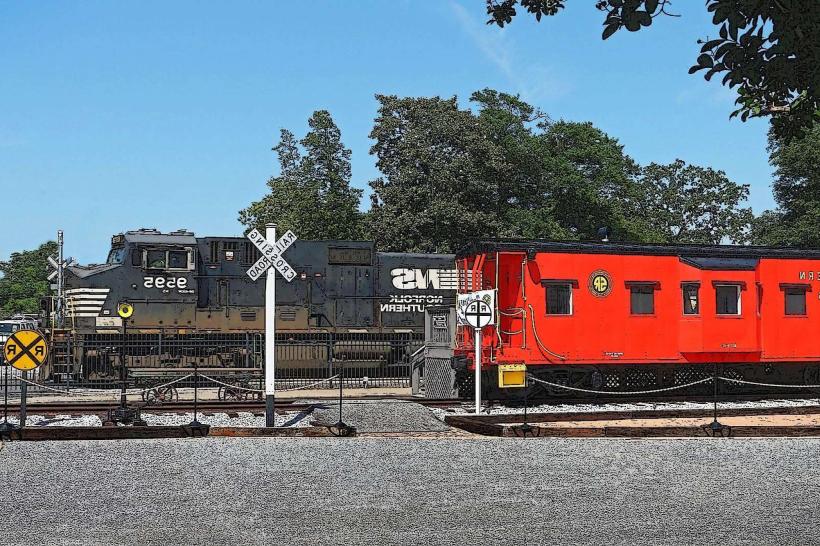
Spartanburg is an independent city and the seat of Spartanburg County, situated in the Upstate region at the junction of I-85 and I-26. Known as the "Hub City," it is defined by its history as a railroad and textile center, its robust international manufacturing sector, and its identity as a collegiate anchor with seven institutions of higher learning.
Historical Timeline
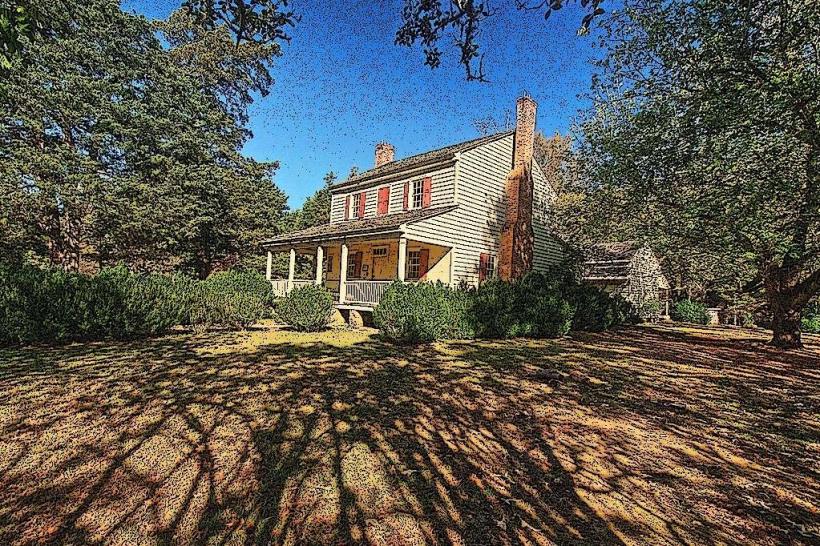
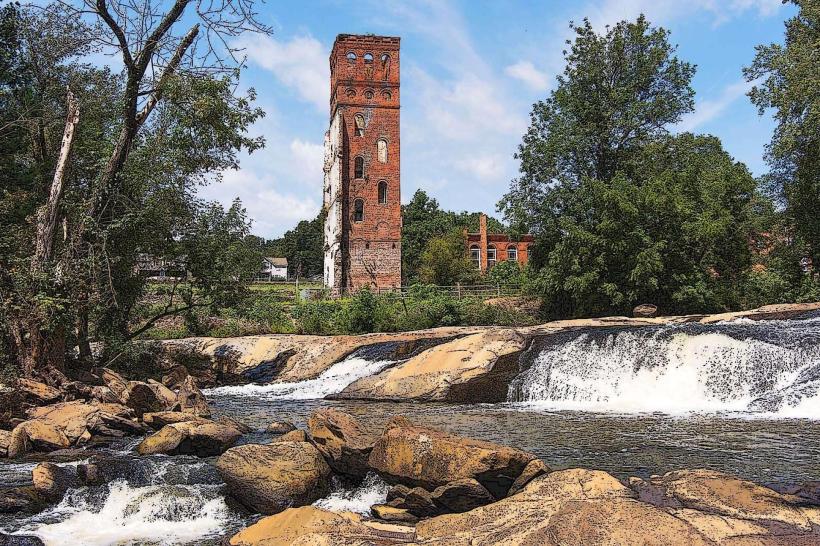
Inhabited by the Cherokee people. Primary governance began with its 1785 formation and 1831 incorporation, named after the "Spartan Regiment" of the local militia during the American Revolution. A critical historical event was the city's emergence as a global textile leader in the late 19th century, earning the nickname "Lowell of the South." During WWII, it housed Camp Croft, a major infantry replacement center. The late 20th century saw a shift from textiles to diversified international manufacturing, highlighted by the 1994 opening of the BMW plant in neighboring Greer. In the 21st century, the city has focused on "Northward" downtown revitalization and the expansion of the Wofford College and Converse University campuses.
Demographics & Population
The population is approximately 38,500 (Metro area ~360,000). The demographics are White (47%), Black or African American (44%), and Hispanic or Latino (5%). The economy is driven by advanced manufacturing (BMW, Milliken & Company, Michelin), healthcare (Spartanburg Regional), and education.
Urban Layout & Key Districts
The city is organized around a traditional downtown core with expanding suburban corridors.
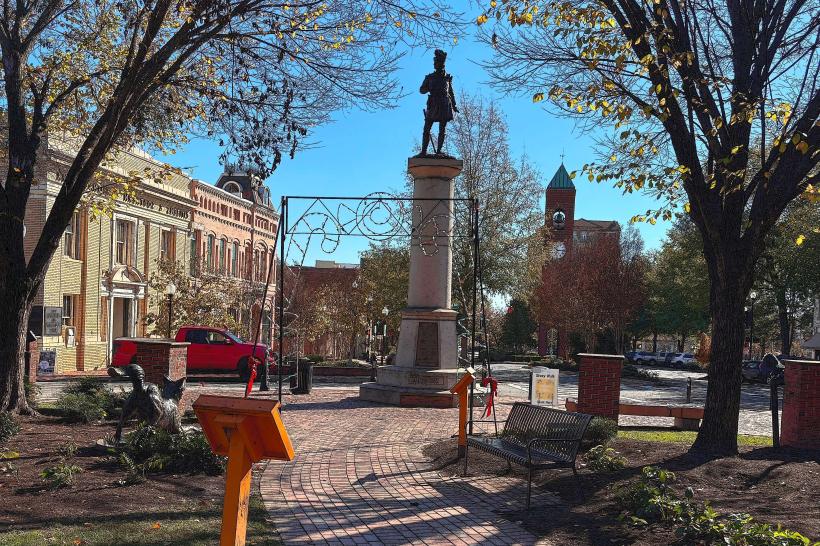
Downtown / Morgan Square: The historic heart of the city featuring the clock tower, independent dining, and the "Pedestrian Mall" concept.
The North End: A redeveloping area focused on the Wofford College campus and the specialized retail around the Richardson Street corridor.
Hampton Heights: The city's oldest historic residential neighborhood, characterized by restored Queen Anne and Craftsman-style homes.
Converse Heights: An affluent historic district known for its canopy-lined streets and proximity to Converse University.
Westside: The primary commercial "big box" and retail district located along the US-29 (Blackstock Road) corridor.
Top City Landmarks
Morgan Square: The central public square established in 1787, serving as the city’s primary gathering space.
Spartanburg Regional History Museum: Documenting the city’s evolution from the Revolutionary War through the textile boom.
Barnet Park: A 7-acre urban park featuring the Zimmerli Amphitheatre and the "Spirit of the American Doughboy" statue.
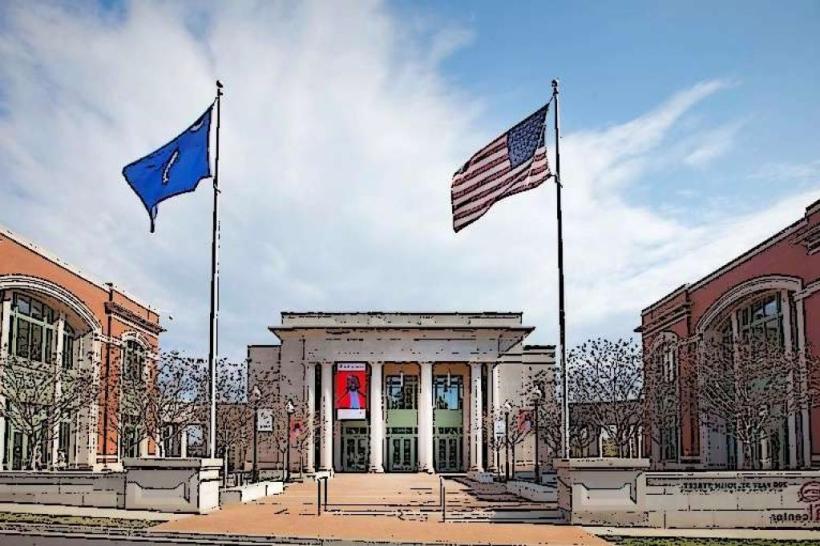
Chapman Cultural Center: The regional hub for visual and performing arts, housing the science center and art museum.
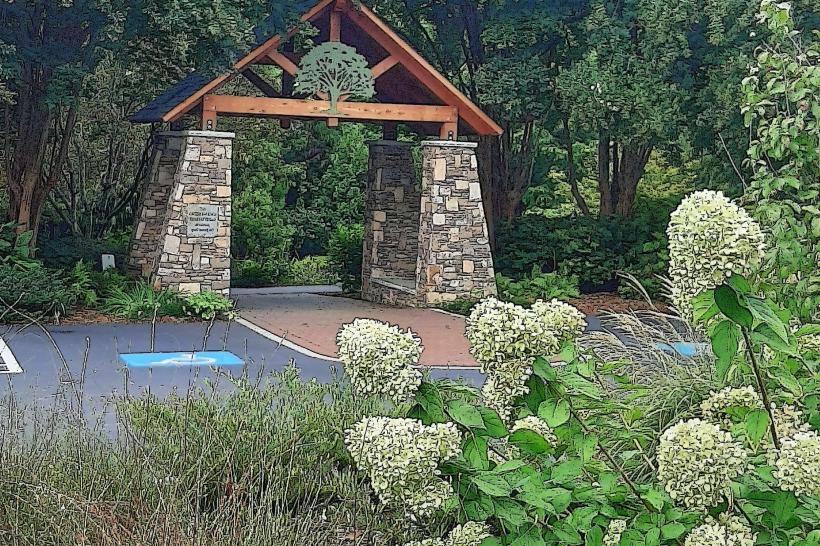
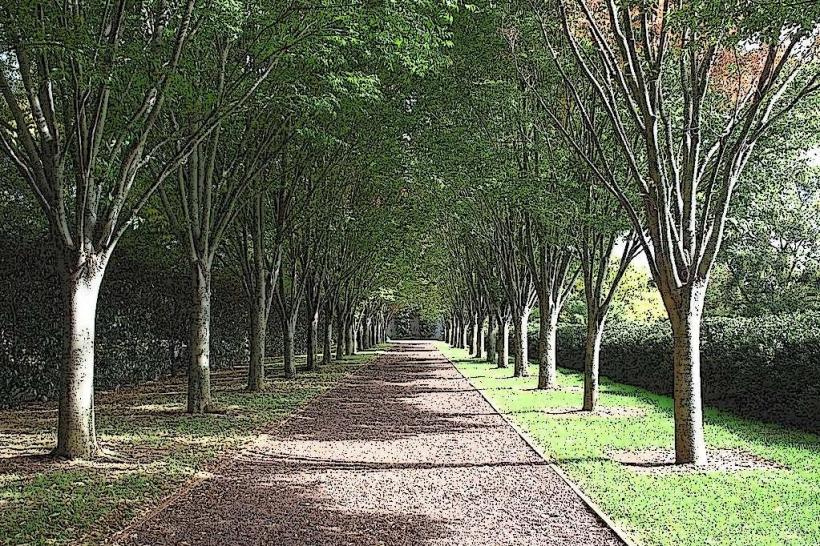
Milliken Arboretum: One of the largest corporate-owned arboretums in the U.S., featuring hundreds of rare tree species.
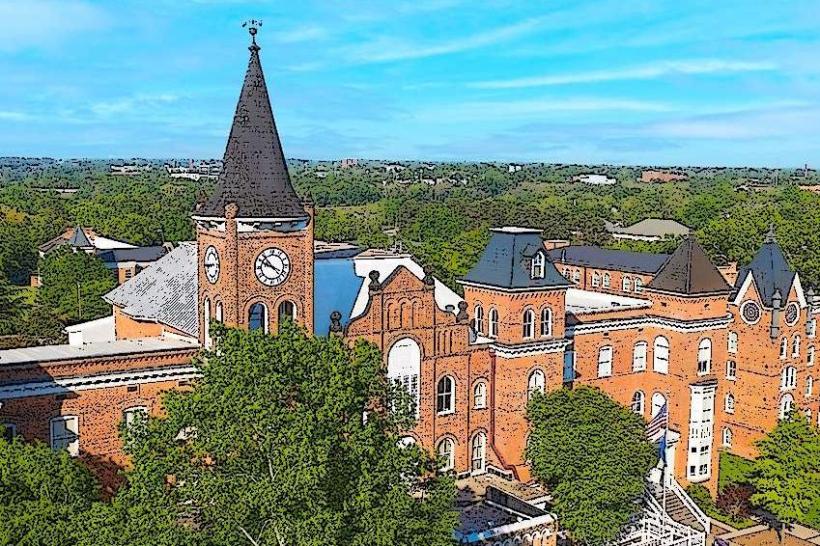
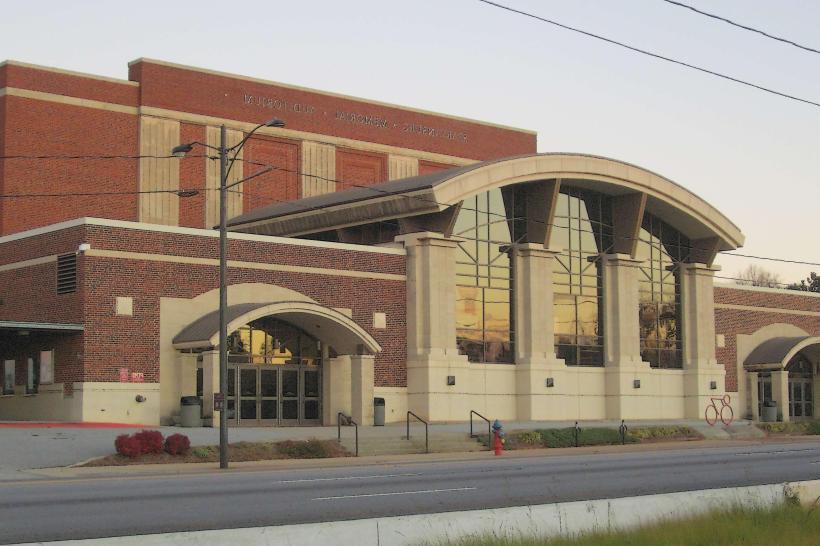
Wofford College / Jerry Richardson Indoor Stadium: A premier liberal arts campus known for its historic architecture and hosting the Carolina Panthers training camp.
Transportation Network
Movement is automotive-centric. The city is a major junction for I-85 and I-26, earning it the "Hub City" moniker. Public transit is provided by SPARTA. Commercial air service is via Greenville-Spartanburg International (GSP), 25 km west. The city is a major stop for Amtrak’s Crescent line.
Safety & "Red Zones"
The general safety level is low to moderate. Violent and property crime rates are significantly higher than the national average. Caution is advised at night in parts of the Northside and the South Church Street corridor due to localized violent crime. Environmental hazards include seasonal severe thunderstorms and high humidity.
Digital & Financial Infrastructure
Internet speeds average 500+ Mbps with fiber availability via AT&T and Spectrum. Main mobile carriers are Verizon and AT&T. Card acceptance is universal. ATMs are concentrated in Morgan Square and the Westside retail district.
Climate & Air Quality
Temperatures range from 0°C to 13°C in winter and 22°C to 33°C in summer. The city experiences typical Piedmont climate patterns with high summer humidity. Air quality is moderate.
Culture & Social Norms
The standard tipping percentage is 20%. A "Hard-Working/Professional" greeting is standard. Dress codes are "Business-Casual" or "Collegiate." The city is culturally defined by its Musical Heritage (birthplace of The Marshall Tucker Band), its "Hub City" railroad pride, and its deep-rooted collegiate traditions.
Local Cost Index
1 Espresso: $4.50 (USD)
1 Standard Lunch: $16.00 (USD)
1 History Museum Admission: $5.00.
Nearby Day Trips
Greenville, SC: (45 km west; the regional urban center).
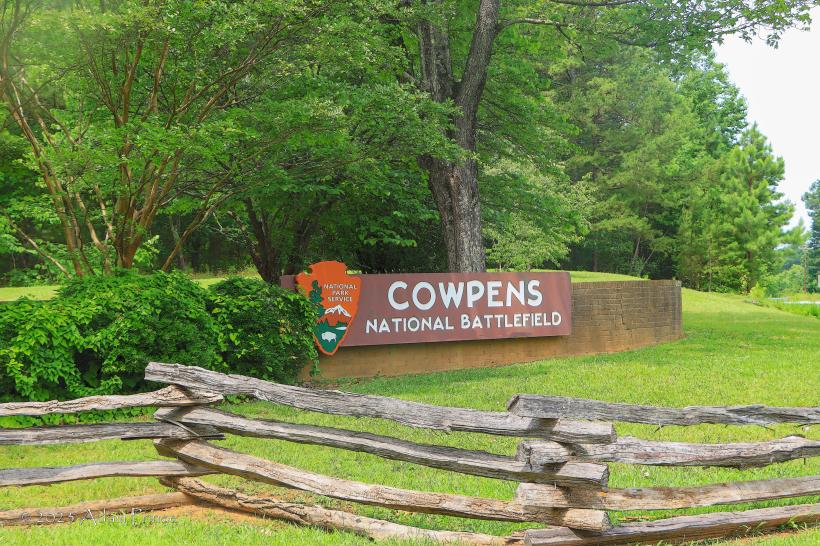
Cowpens National Battlefield: (18 km north; site of a major Revolutionary War victory).
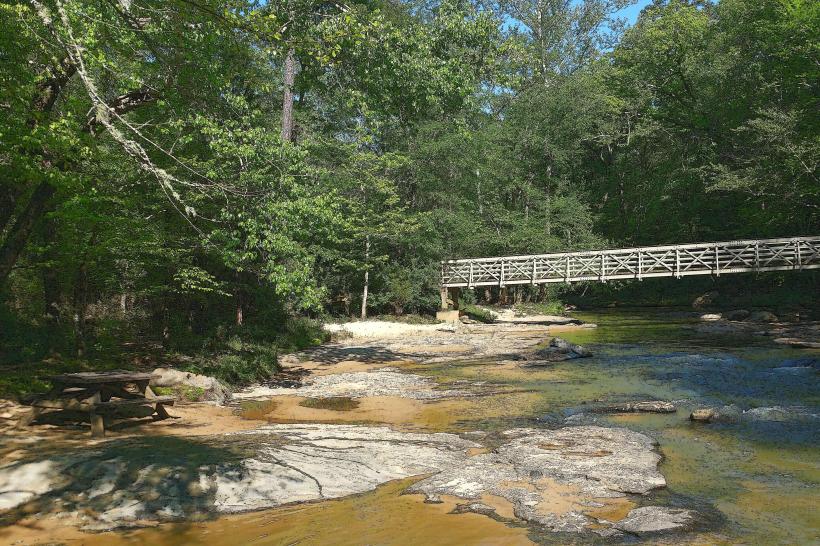
Croft State Park: (10 km south; a 7,000-acre park on the site of the former WWII army camp).
Facts & Legends
Spartanburg was once the "Peach Capital of the World," shipping more peaches than the entire state of Georgia in the 1950s. Historically, the city was the first in South Carolina to have an airport (1927). A local legend involves the "Hell’s Gate" bridge, a supposedly haunted overpass where spectral lights and engine stalls are reported. Another legend concerns the "Secret Tunnels" beneath Wofford College, rumored to have been used during the Civil War.