Information
City: StavangerCountry: Norway
Continent: Europe
Stavanger, Norway, Europe
Stavanger serves as the "Energy Capital of Europe" and the administrative center of Rogaland County. It functions as the primary base for Norway's offshore oil and gas industry and the headquarters for Equinor, characterized by a juxtaposition of hyper-modern industrial wealth and the largest concentration of 18th-century wooden houses in Northern Europe.
Historical Timeline
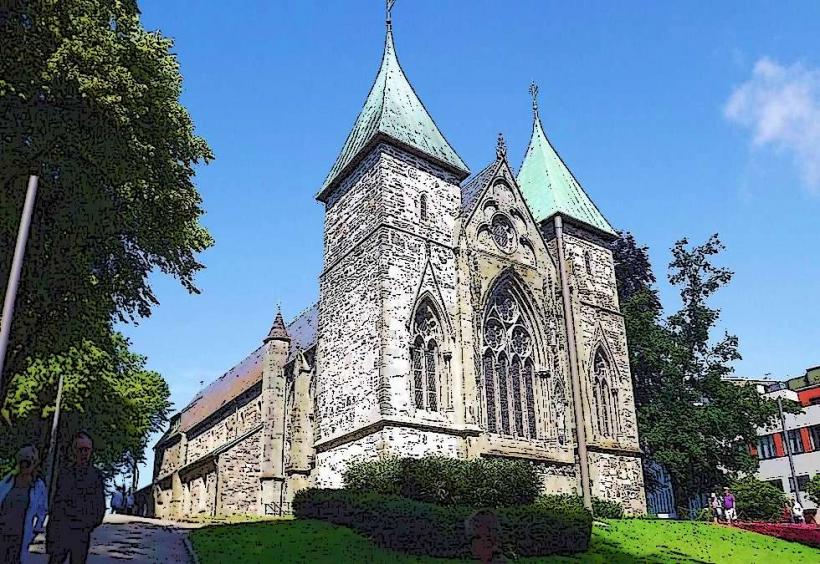
Founded in 1125 with the completion of its cathedral, Stavanger remained a quiet fishing and canning town for centuries. The primary event shaping its modern identity occurred in 1969, when the discovery of oil at the Ekofisk field transformed the city into a global petroleum hub. In the 21st century, it has pivoted toward renewable energy and "smart city" technology, notably serving as a European Capital of Culture in 2008.
Demographics & Population
The population is approximately 149,000 in the municipality and 239,000 in the metropolitan area (2026 estimate). The demographic is the most international in Norway; over 20% of residents are of foreign origin, representing more than 180 nationalities, largely driven by the global energy sector and NATO’s Joint Warfare Centre.
Urban Layout & Key Districts
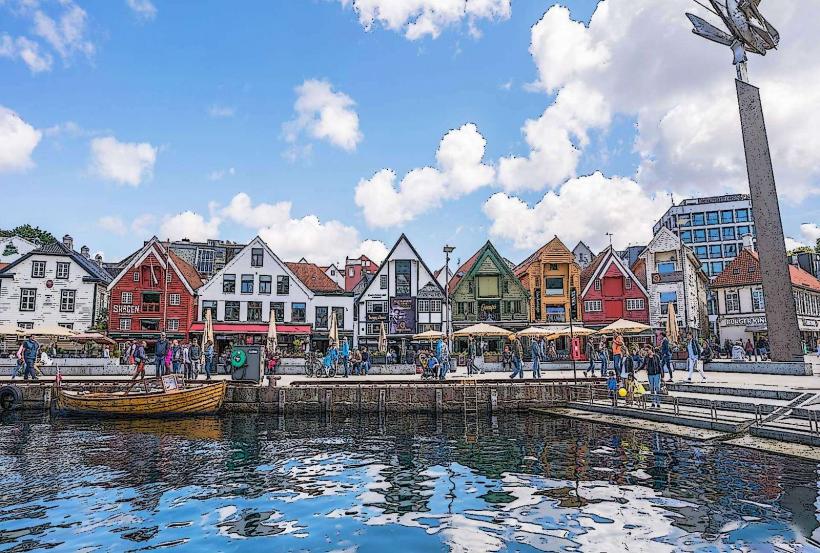
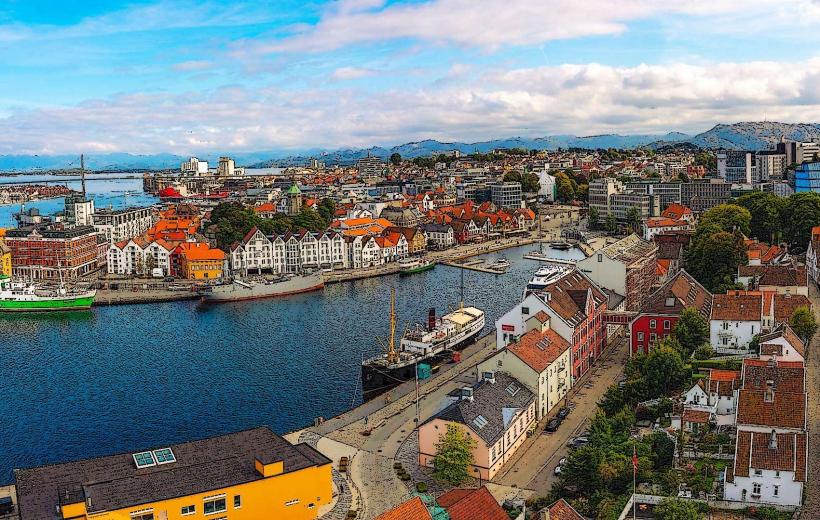
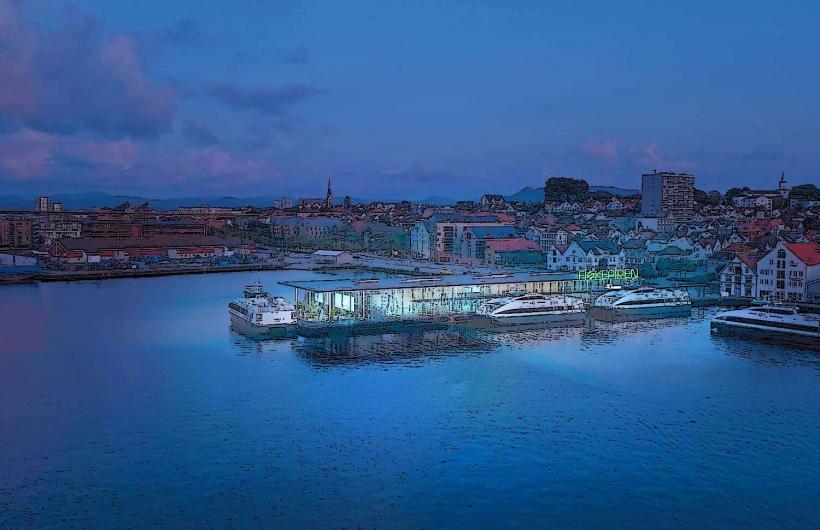
The city is built around the harbor (Vågen). Key districts include:
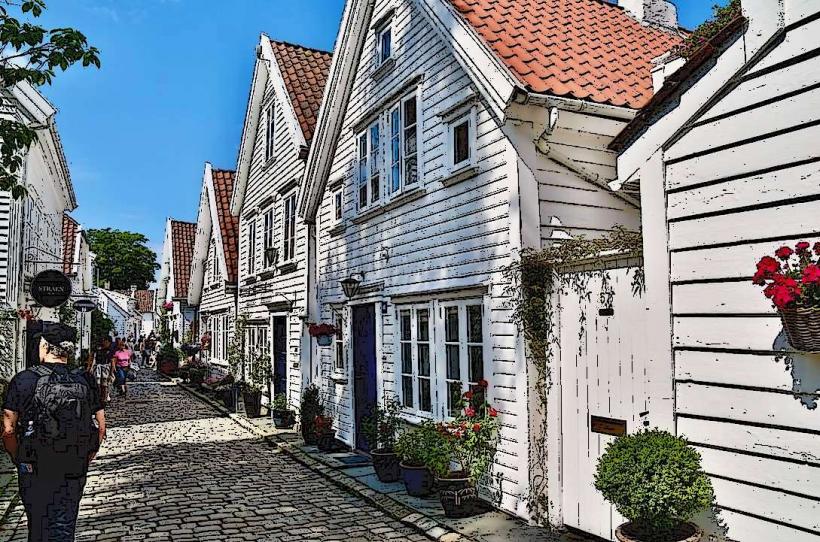
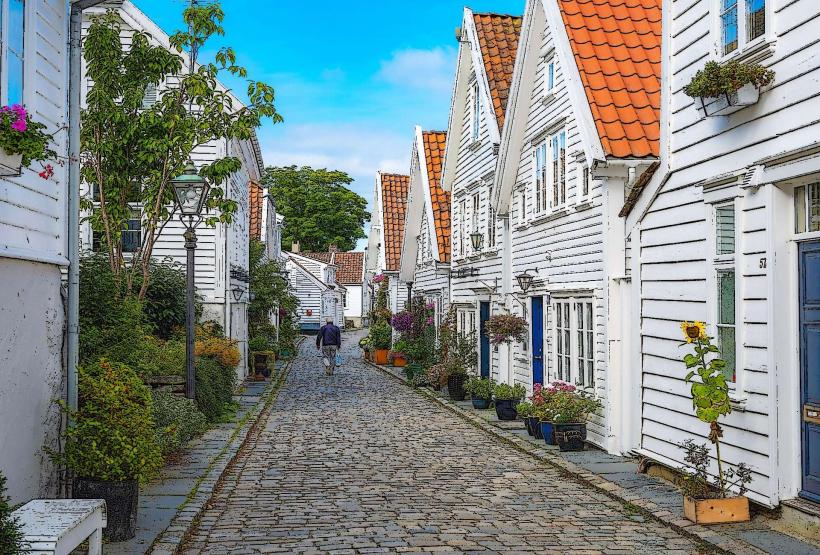
Gamle Stavanger: Located on the west side of the harbor, featuring 173 restored white wooden houses.
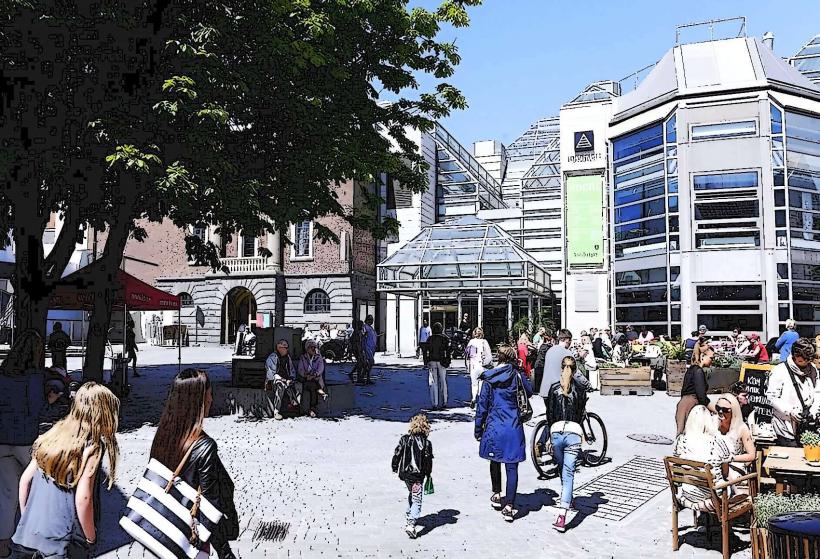
Sentrum: The commercial core containing the Cathedral and the "Colorful Street" (Øvre Holmegate).
Forus: The massive industrial and business park between Stavanger and Sandnes, housing major energy firms.
Eiganes: An upscale residential district featuring historic villas and the Breidablikk manor.
Storhaug: A diverse, eastern district known for its creative scene and urban revitalization.
Top City Landmarks
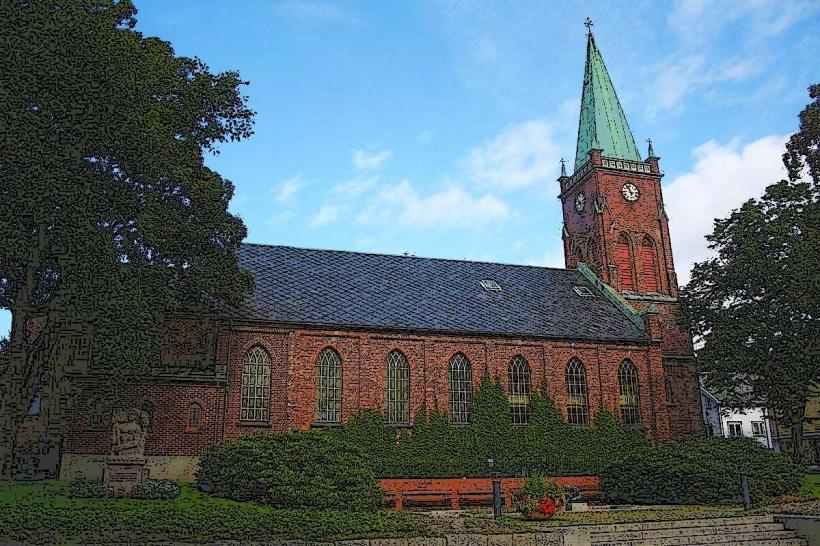
Stavanger Cathedral (Domkirke): Norway’s oldest cathedral, recently reopened after extensive restoration.
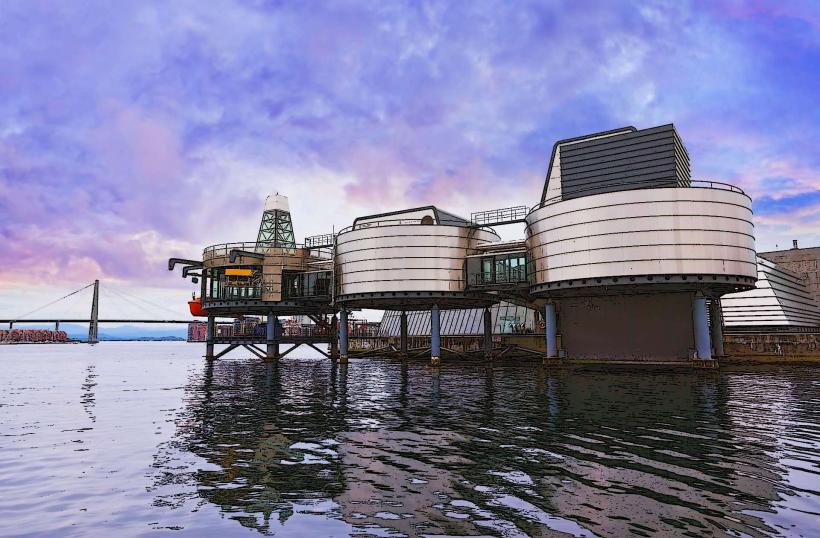
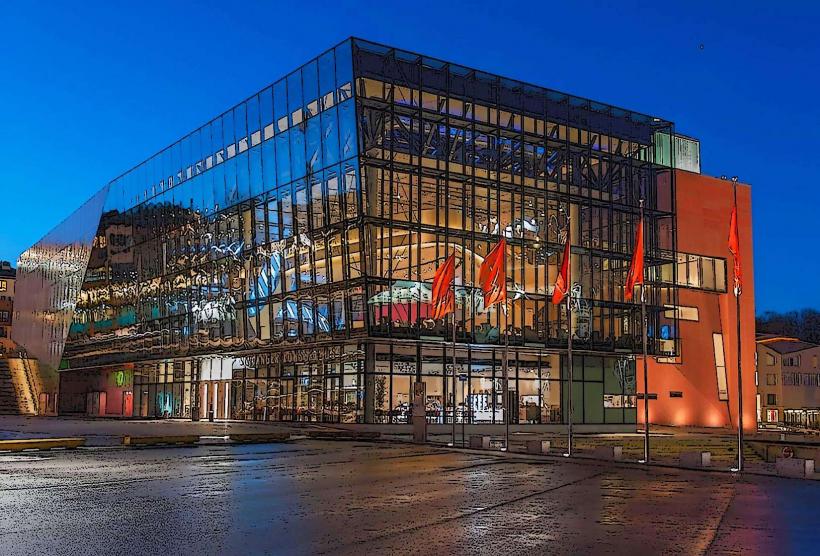
Norwegian Petroleum Museum: A striking architectural landmark detailing the history of North Sea oil.
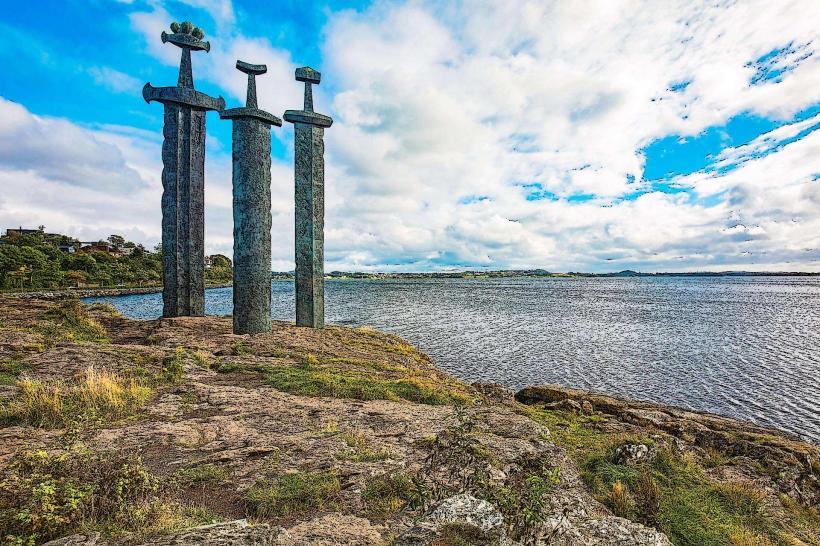
Sverd i fjell (Swords in Rock): Three 10-meter-tall bronze swords commemorating the Battle of Hafrsfjord in 872.
Øvre Holmegate: Known as "Fargegaten," a street where all buildings are painted in vibrant colors.
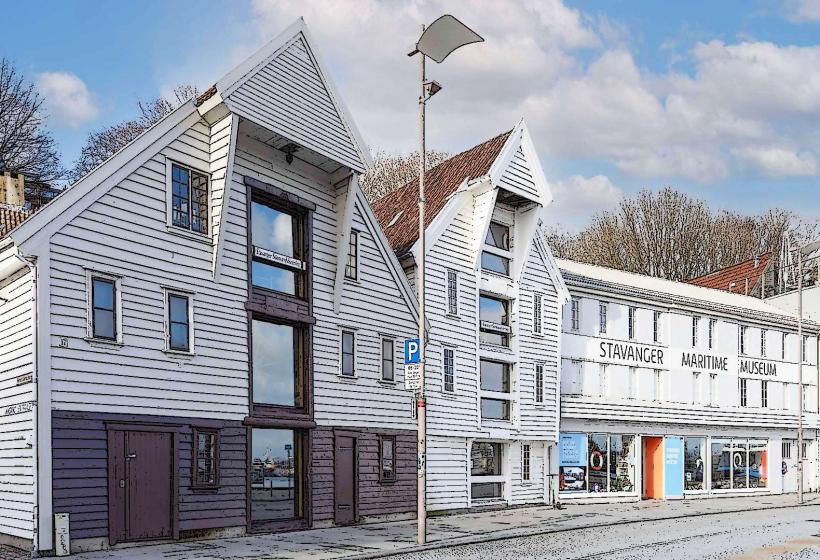
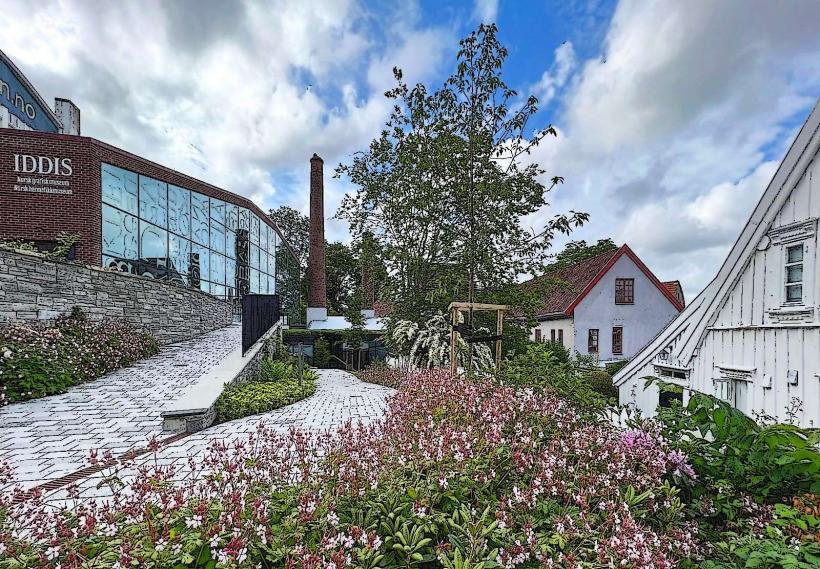
Norwegian Canning Museum: Located in an old sardine factory, showcasing the city's pre-oil industrial roots.
Transportation Network
Movement is managed by Kolumbus. The Jærbanen (local rail) connects Stavanger to Sandnes and Egersund. There is no metro. Air travel is serviced by Stavanger Airport, Sola (SVG), a major international hub 11 km from the center. The city is a major port for ferries to the Ryfylke fjords and the starting point for the Hundvåg Tunnel, part of the world’s longest subsea road tunnel system (Rogfast).
Safety & "Red Zones"
The safety level is very high. There are no "red zones." The city center is exceptionally safe at all hours. Environmental safety is the primary concern for those visiting nearby mountain sites; hikers must heed weather warnings for the Lysefjord area.
Digital & Financial Infrastructure
Average internet speed is 200–1000 Mbps. Stavanger is entirely cashless. Payment via card or mobile (Vipps/Apple Pay) is mandatory for everything from street food to public transit.
Climate & Air Quality
Temperatures range from 1°C in winter to 18°C in summer. The climate is oceanic; winters are mild and rarely see persistent snow, while summers are cool and often windy. Air quality is excellent.
Culture & Social Norms
Tipping is not required. The culture is a mix of traditional Norwegian "Jærsk" modesty and international corporate cosmopolitanism. The Gladmat festival in July is Scandinavia's largest food festival. Social life is centered on the harbor-front bars and the hiking culture in the nearby fjords.
Accommodation Zones
Stay in Sentrum for proximity to the harbor, museums, and nightlife.
Stay in Gamle Stavanger area guesthouses for a historic, quiet atmosphere.
Local Cost Index
1 Espresso: 45 – 55 NOK
1 Standard Lunch (Seafood/Burger): 210 – 320 NOK
1 Pint of Beer: 120 – 165 NOK
1 Bus Ticket (Zone 1): 45 NOK
Nearby Day Trips
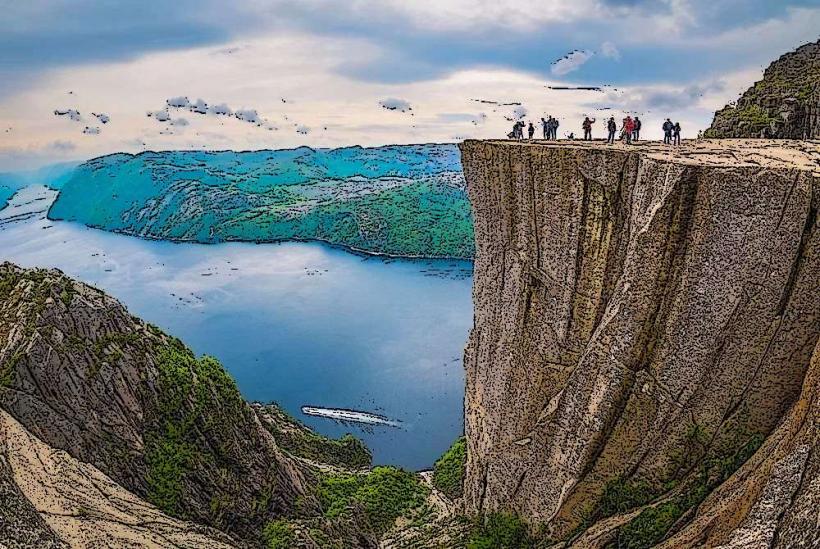
Preikestolen (Pulpit Rock): A 604-meter cliff overlooking the Lysefjord; the most famous hike in Norway.
Kjeragbolten: The famous boulder wedged in a mountain crevice, located further in the Lysefjord.
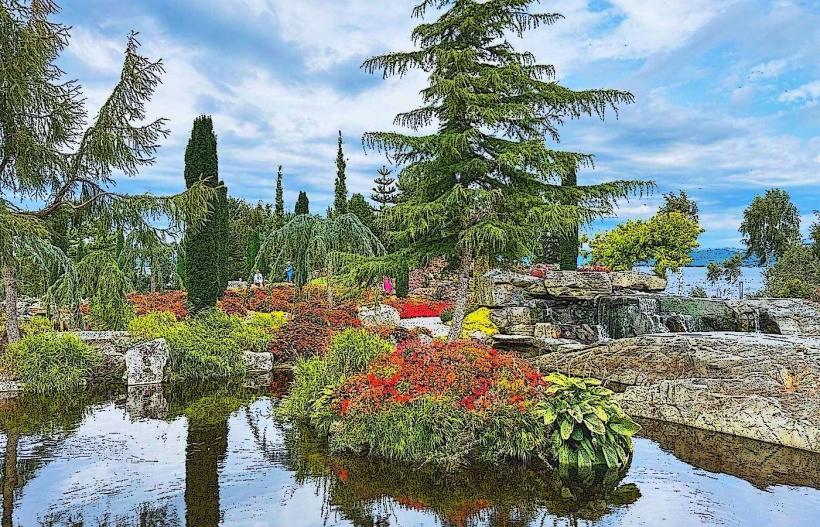
Flor & Fjære: A private tropical garden island reachable by boat from the city center.
Facts & Legends
Local legend links the three swords at Hafrsfjord to the unification of Norway under Harald Fairhair. A verified historical fact is that before the oil era, Stavanger was the "Sardine Capital of the World," housing over 50 canneries that exported billions of tins globally.