Information
City: StrumicaCountry: North Macedonia
Continent: Europe
Strumica, North Macedonia, Europe
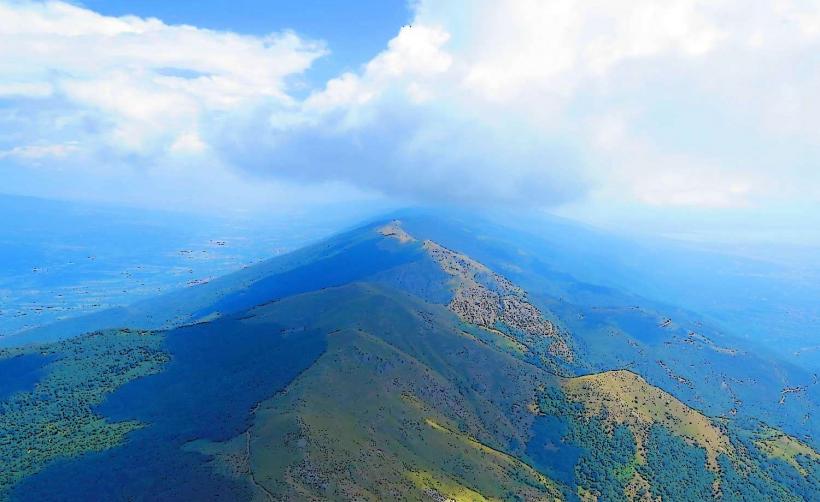
Strumica functions as the primary agricultural and cultural pivot of southeastern North Macedonia. Situated at the base of Mount Belasica near the borders of Bulgaria and Greece, it serves as a specialized node for export-grade greenhouse horticulture, Byzantine monasticism, and theatrical carnival traditions. It is defined by its status as the "Garden of Macedonia," its 7,000-year archaeological continuity at Carevi Kuli, and its 2026 role as a pioneer in municipal gasification and digital administration.
Historical Timeline
Antiquity: Originally the Paeonian city of Astranon ("City of Stars"); later renamed Tiberiopolis by the Romans.
1014: Located near the site of the Battle of Belasica, where the Byzantine Emperor Basil II defeated Tsar Samuil, leading to the blindness of 15,000 Bulgarian soldiers.
1670: First recorded mention of the Strumica Carnival by the Ottoman traveler Evliya Çelebi.
2026 Context: Strumica remains the only municipality in North Macedonia with a fully systematically gasified infrastructure, significantly lowering industrial energy costs.
Demographics & Population
The urban population is approximately 33,825, while the wider municipality houses roughly 49,486 (2026 estimate). The demographic is 90% ethnic Macedonian, with a notable Turkish minority (approx. 8%) and smaller Roma communities. The city is characterized by a specialized agrarian workforce and a rising segment of entrepreneurs in the textile and food-processing sectors.
Urban Layout & Key Districts
Goce Delčev Square: The specialized modern heart of the city; a vast pedestrian plaza featuring the iconic statue of the revolutionary leader and the main municipal building.
The Old Bazaar: A specialized historic zone featuring traditional architecture, local handicraft shops, and the city's 17th-century Orta Mosque.
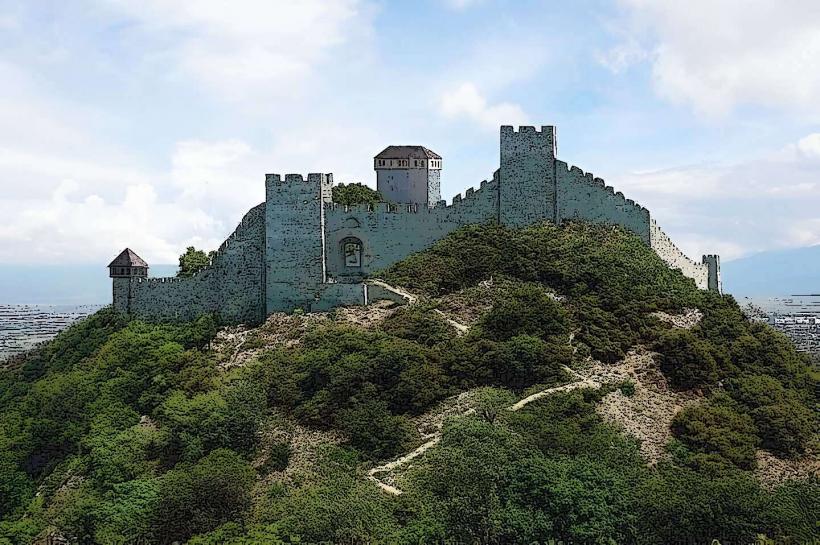
Mount Elenica: The specialized recreational and historical district overlooking the city, containing the ruins of the medieval fortress.
Industrial Zone: Located on the outskirts toward the Bulgarian border, specializing in terracotta brick production (Elenica) and non-metallic mineral processing.
Top City Landmarks
Carevi Kuli (King’s Towers): A specialized 4th-century BC fortress situated at 445m elevation; excavations reveal 7,000 years of habitation, including coins from the reign of Philip II of Macedon.
The Strumica Carnival: A specialized world-class event held in late February (Feb 22 – Mar 1, 2026). It is a member of the FECC and features a 4-hour parade with over 3,000 masked participants.
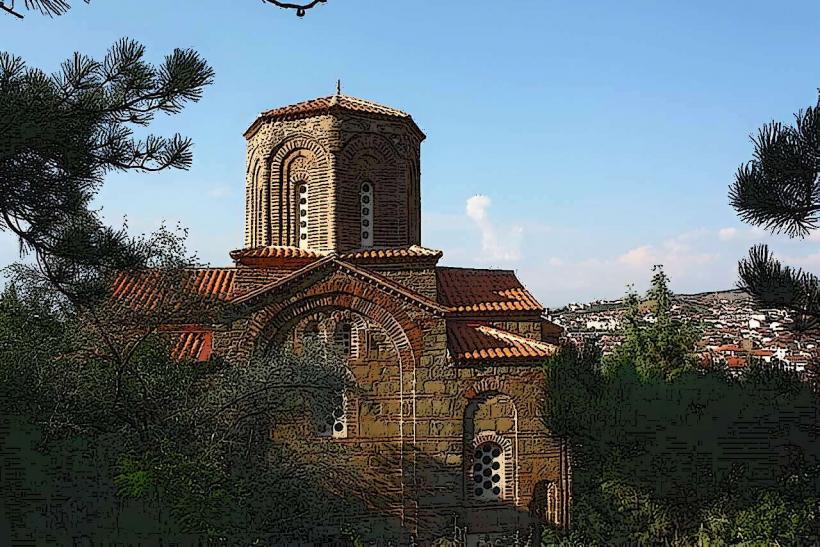
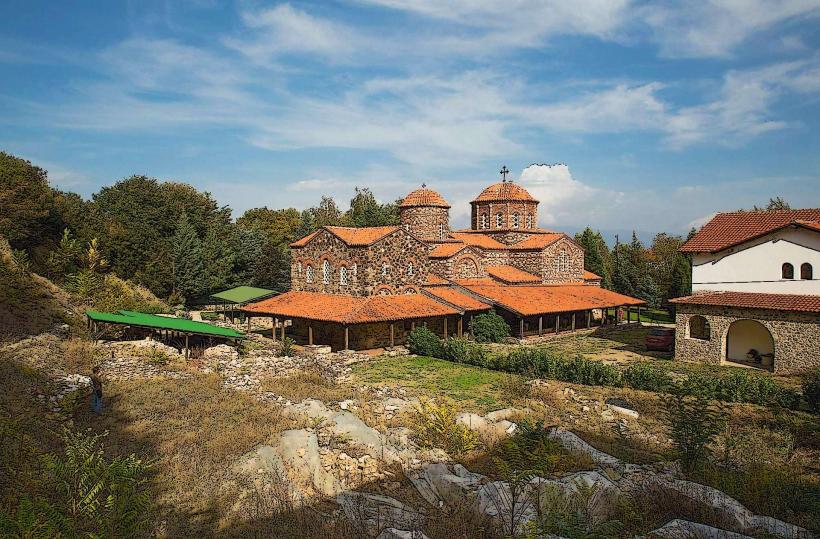
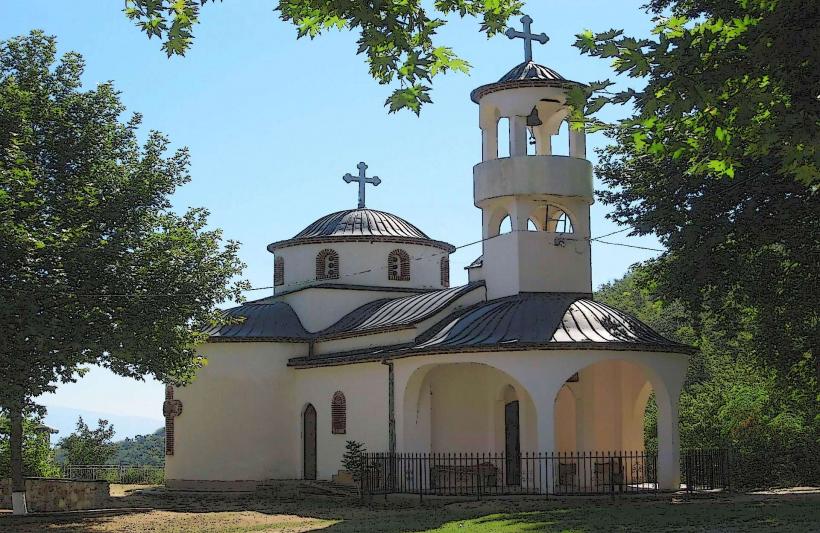
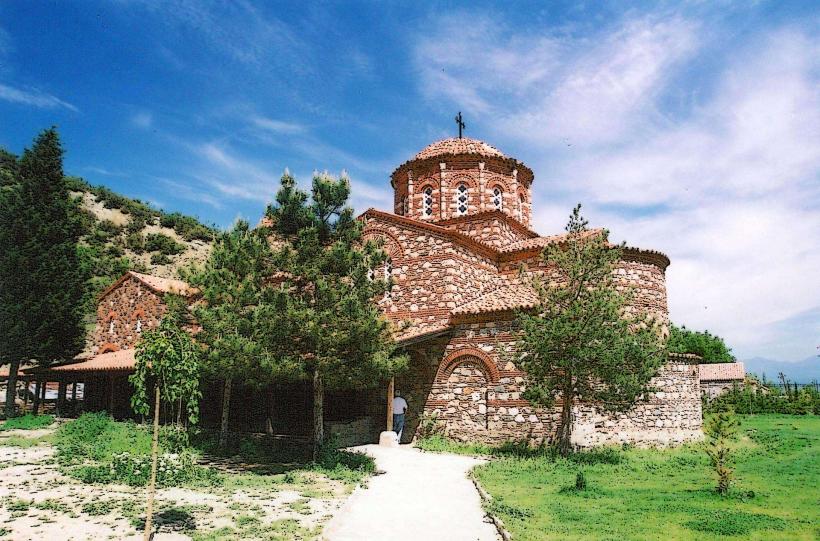
Monastery of St. Leontius (Vodoča): 4 km west; a specialized 11th-century Byzantine site known for its exquisite frescoes and being built upon a 6th-century Christian basilica.
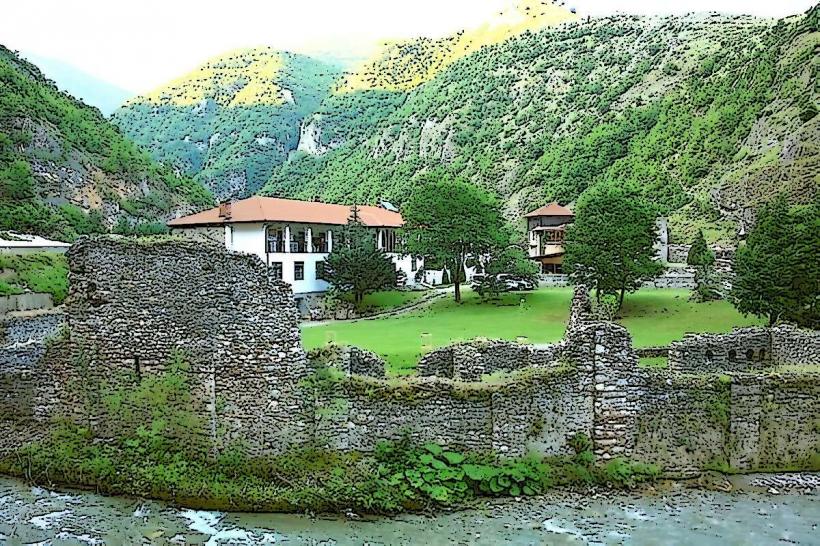
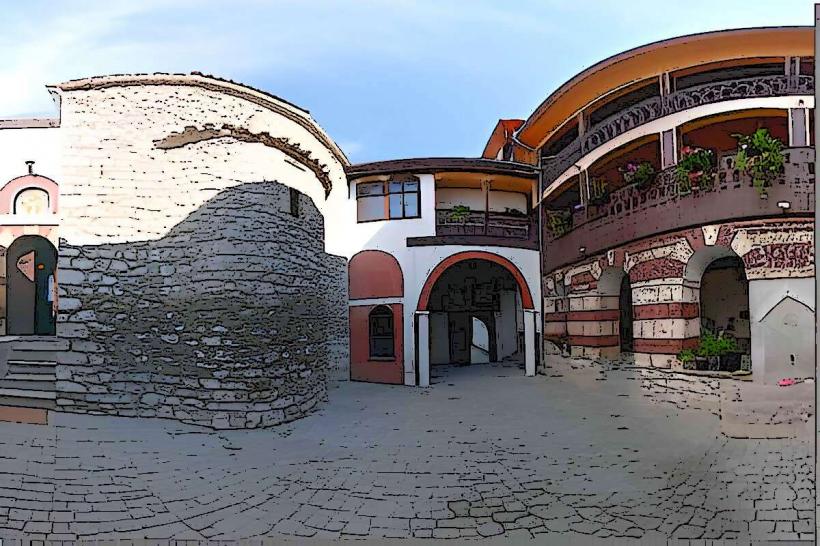
Monastery of the Holy Mother of God Eleusa (Veljusa): 7 km west; a specialized 1080 AD monastic complex featuring a unique cross-in-square floor plan and original marble iconostasis.
Roman Thermal Baths (Bansko): 12 km east; a specialized 3rd-century AD Balneum with ten rooms and springs flowing at 71°C. It is one of the few functional Roman-era thermal spas in Europe.
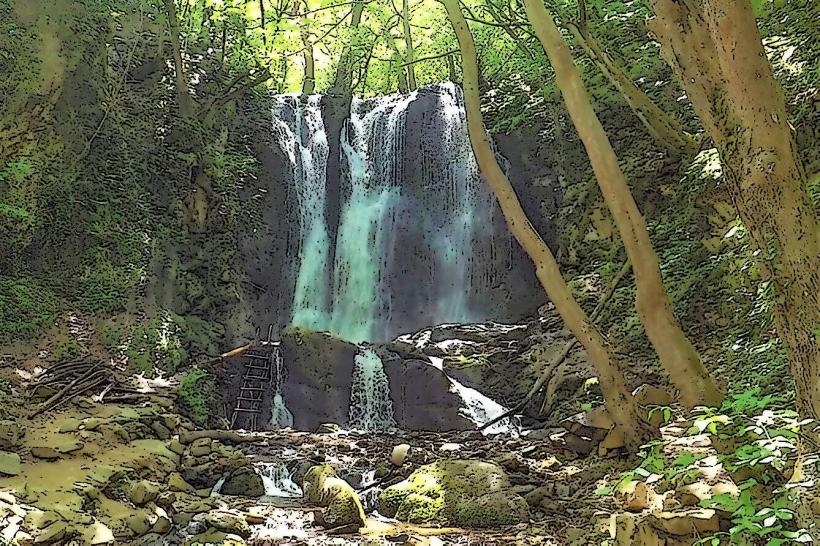
Smolare and Kolešino Waterfalls: Specialized natural monuments in the Belasica Mountains; Smolare is the highest permanent waterfall in North Macedonia at 39.5 meters.
Economy & 2026 Logistics
Agricultural Powerhouse: Strumica produces over 90% of the country’s early-season greenhouse vegetables (tomatoes, peppers, cucumbers).
2026 Energy Hub: As the first gasified municipality, Strumica operates specialized green-energy protocols for its industrial zones to maintain competitiveness within the CEFTA market.
Transit: 2 hours from Skopje (150 km) and 20 minutes from the Bulgarian border (Novo Selo). In 2026, it is a primary logistical staging point for the Bulgaria-North Macedonia-Albania Corridor VIII development.
Safety & Environment
The general safety level is high. Warning: During the 2026 Carnival peak (Feb 25), hotel capacity reaches 100%; advanced booking is mandatory. In 2026, the municipality operates a specialized "Eco-Garden" monitor to track pesticide runoff into the Strumica River to protect downstream Balkan ecosystems.
Local Cost Index (2026 Estimates)
1 Espresso (Macchiato): €0.80 – €1.20
1 Traditional Lunch (Tavče Gravče): €4.00 – €6.50
Ohrid Trout (Export Grade): €10.00 – €15.00
Monthly Rent (1-BR Center): €180 – €300
Facts & Legends
Strumica is the site of the "Holy Fifteen Hieromartyrs," the protectors of the city who reportedly spread Christianity in the region during the Roman era. Legend states that the Banja Bansko waters were discovered by a Roman legionnaire who noticed his injured horse was miraculously healed after bathing in the hot sulfur springs. A verified fact is that Strumica is the first municipality in North Macedonia to adopt ISO quality standards for administrative services. Historically, the city was so fertile that Ottoman writers referred to it as the "Golden Plain" of the Balkans.