Information
Landmark: Medieval Vodoca MonasteryCity: Strumica
Country: North Macedonia
Continent: Europe
Medieval Vodoca Monastery, Strumica, North Macedonia, Europe
The Medieval Vodoca Monastery is an Eastern Orthodox monastic complex located in the village of Vodoca, approximately 5 kilometers east of the city of Strumica, North Macedonia.
Visual Characteristics
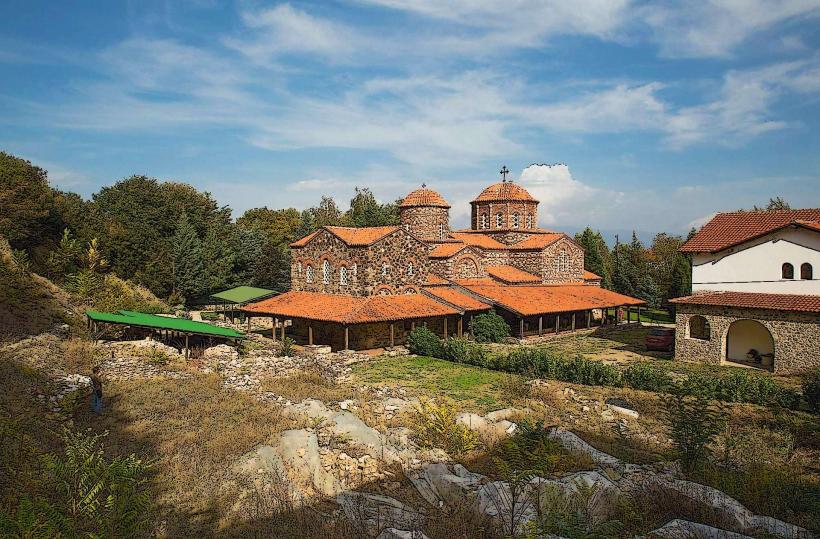
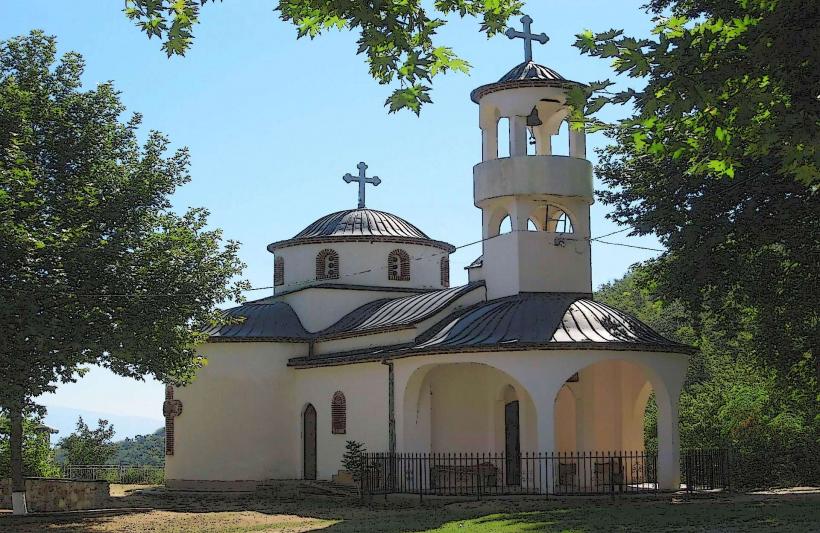
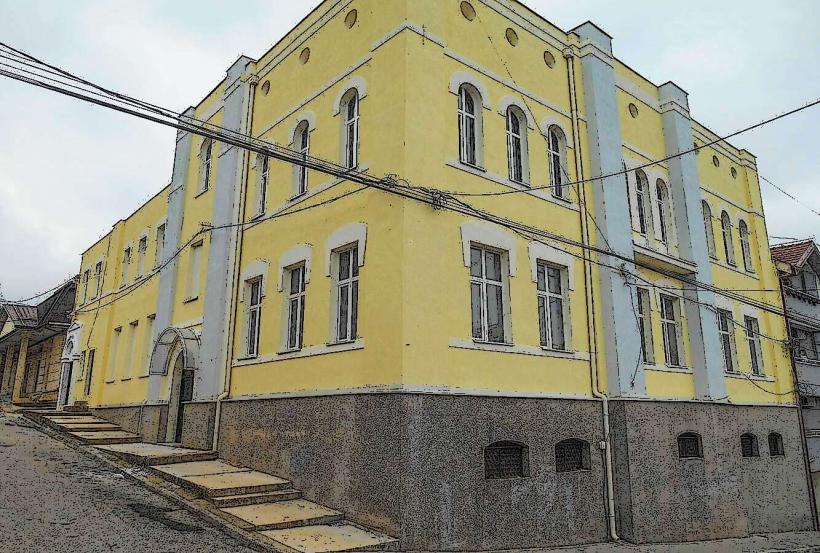
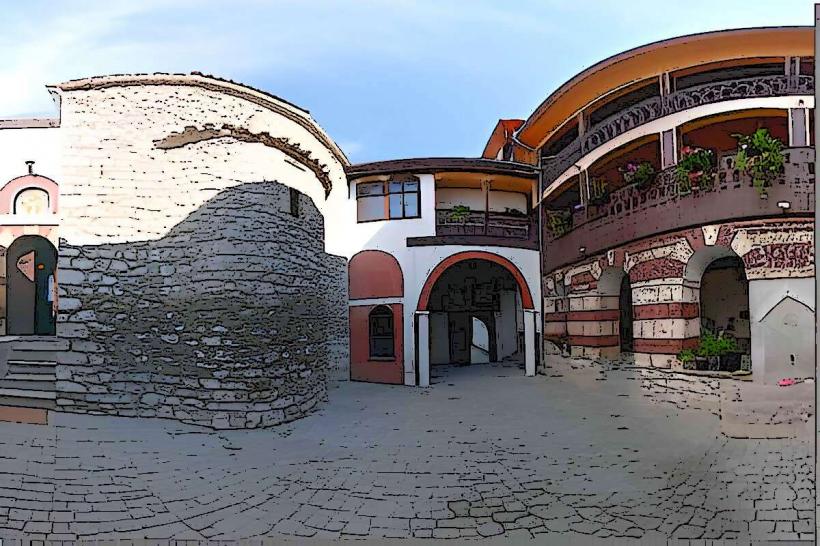
The monastery complex features a central church dedicated to Saint Leontius, constructed primarily from stone and brick. Its architectural style is Byzantine, characterized by a cruciform dome structure and multiple apses. The exterior walls exhibit a combination of rough-hewn stone and red brick, with decorative elements such as blind arches and ceramic ornamentation. The interior is notable for its extensive frescoes, dating from various periods, depicting biblical scenes and saints. The complex includes several smaller chapels and monastic buildings, typically two stories high, built with similar materials and featuring red-tiled roofs.
Location & Access Logistics
The monastery is situated in the village of Vodoca, accessible via a local road branching off the main regional road R1301, which connects Strumica to Novo Selo. From the center of Strumica, the monastery is approximately 5 kilometers east, a drive of about 10-15 minutes. Limited parking is available directly at the monastery entrance. Public transport options are infrequent; local minibuses or taxis from Strumica are the primary means of access for visitors without private vehicles.
Historical & Ecological Origin
The Vodoca Monastery originated in the 9th century, with its main church, Saint Leontius, undergoing significant reconstruction and expansion during the 11th and 12th centuries. It served as a prominent episcopal see and a spiritual center within the medieval Bulgarian and later Byzantine empires. The monastery's original purpose was a monastic community and a seat for the Strumica Diocese, playing a crucial role in the region's religious and cultural life.
Key Highlights & Activities
Visitors can explore the main church of Saint Leontius to observe its preserved medieval frescoes, which include significant examples of Byzantine art. The monastic complex allows for quiet contemplation within its courtyards and smaller chapels. Photography of the exterior architecture is permitted. Guided tours, often arranged locally, provide detailed historical context regarding the site's development and artistic significance.
Infrastructure & Amenities
Basic restroom facilities are available on-site. The monastery grounds offer limited natural shade from trees. Cell phone signal (4G/5G) is generally reliable throughout the area. There are no dedicated food vendors directly at the monastery; visitors should plan to bring their own refreshments or visit establishments in nearby Strumica.
Best Time to Visit
The optimal time to visit is during the spring (April-May) or autumn (September-October) months, when the weather is mild and conducive to outdoor exploration. Morning hours, specifically between 9:00 AM and 11:00 AM, provide favorable natural light for photography of the church's exterior and frescoes, minimizing harsh shadows.
Facts & Legends
A verified historical oddity of the Vodoca Monastery is the discovery of a medieval necropolis within its grounds, revealing numerous graves of bishops and prominent figures, some dating back to the 10th century. This indicates its long-standing importance as a spiritual and administrative center, not merely a monastic retreat.
Nearby Landmarks
- Monastery of Veljusa: 3km West
- Strumica City Museum: 5km West
- Strumica Fortress (Carevi Kuli): 6km West
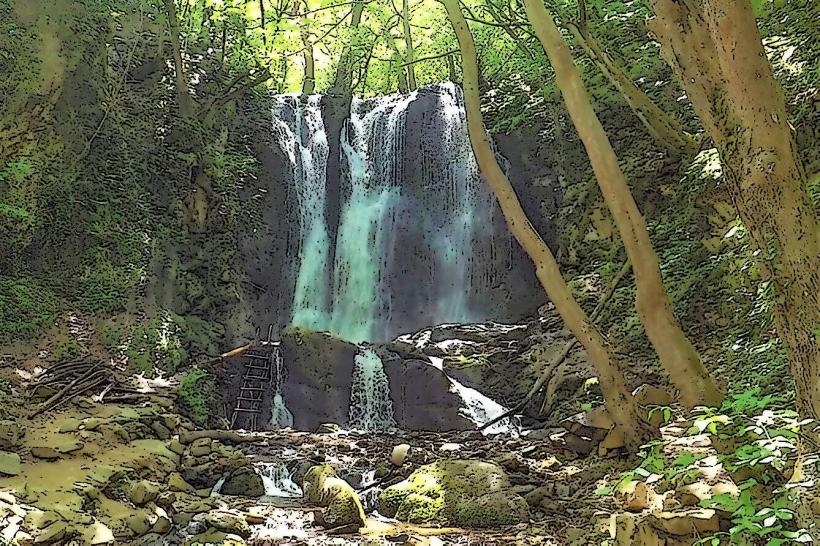
- Smolare Waterfalls: 25km East