Information
Landmark: Belasica MountainCity: Strumica
Country: North Macedonia
Continent: Europe
Belasica Mountain, Strumica, North Macedonia, Europe
Visual Characteristics
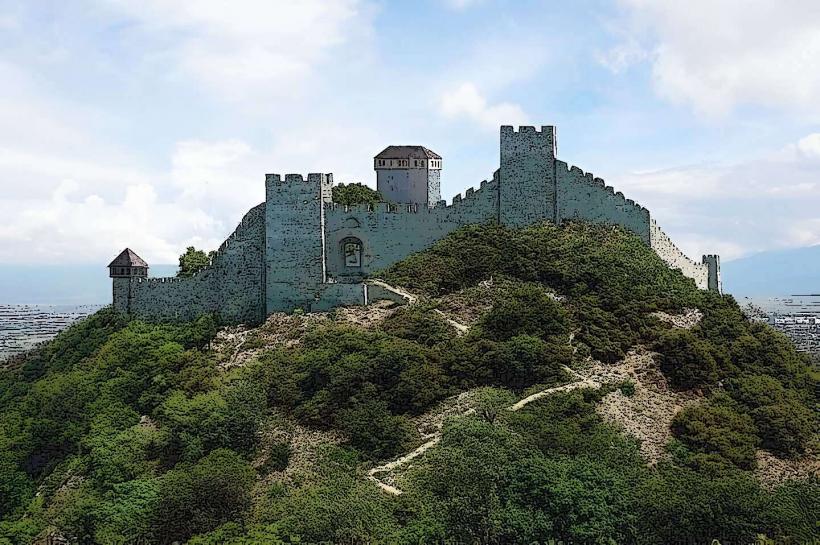
The mountain range is composed primarily of metamorphic rocks, including gneiss and schist, with some granite intrusions. Slopes are densely forested with deciduous species like oak and beech at lower altitudes, transitioning to coniferous forests and subalpine meadows at higher elevations. The peaks are generally rounded, exhibiting exposed rock formations in certain areas. Seasonal foliage changes contribute to a varied color palette, from deep greens in summer to autumnal reds and browns.
Location & Access Logistics
Belasica Mountain lies directly south of the city of Strumica. Primary access is via regional roads such as R1102, which follows the northern foothills. From Strumica city center, the nearest trailheads, particularly those leading to the waterfalls, are approximately 15-20 kilometers south. Limited designated parking is available near villages like Koleshino and Smolari. Public transport options are restricted to local bus lines serving the base villages; direct mountain access typically requires a private vehicle or taxi service.
Historical & Ecological Origin
Belasica is a horst mountain, formed by significant tectonic uplift and faulting processes. Its geological structure dates back to the Paleozoic era, undergoing subsequent metamorphic transformations. Ecologically, the mountain is classified as a Balkan mixed forest ecoregion, supporting diverse flora and fauna, including several endemic species. The varied altitudes create distinct ecological zones, from riverine valleys to alpine pastures.
Key Highlights & Activities
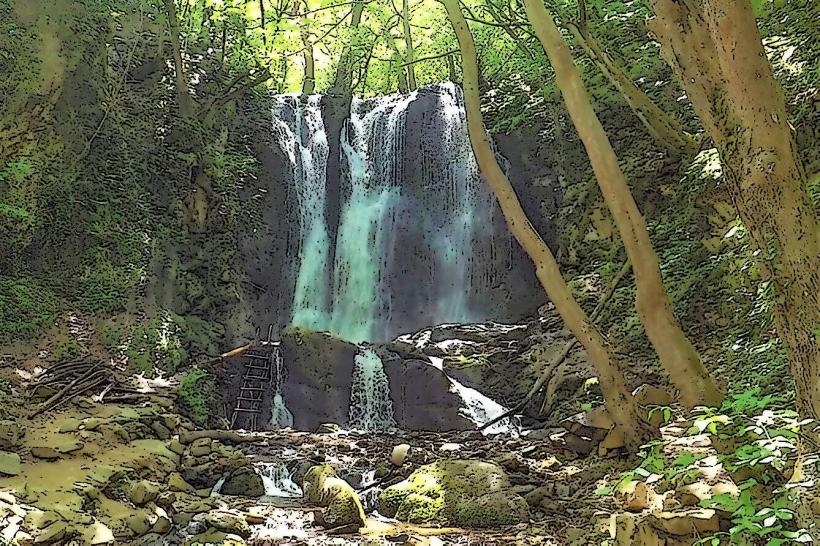
Established hiking trails lead to various points of interest, including the summit of Radomir Peak. Mountain biking is possible on specific forest roads and paths. The area features several waterfalls, such as Koleshino Waterfall and Smolari Waterfall, which are accessible via marked routes. Birdwatching is a common activity, particularly in the dense forest areas and along migratory paths.
Infrastructure & Amenities
Restroom facilities are generally absent on mountain trails; basic amenities are limited to the villages at the base. Shade is abundant within the forested sections of the mountain. Cell phone signal (4G) coverage is intermittent, particularly in higher elevations and secluded valleys. Food vendors are not present on the mountain itself; provisions must be acquired in Strumica or the surrounding villages.
Best Time to Visit
The optimal period for hiking and outdoor activities is from May to October, avoiding the heavy snow cover of winter. Photography is best during the early morning or late afternoon for favorable lighting conditions on peaks and valleys. Waterfalls exhibit their maximum flow during the spring snowmelt, typically from April to May.
Facts & Legends
Belasica Mountain was the site of the Battle of Kleidion in 1014, a pivotal engagement between the Byzantine Empire and the First Bulgarian Empire. Local folklore suggests that the mountain's numerous springs, particularly those near the village of Gabrovo, possess therapeutic properties for various ailments.
Nearby Landmarks
- Koleshino Waterfall: 0.5km North (from Koleshino village)
- Smolari Waterfall: 3km East (from Koleshino Waterfall)
- Gabrovo Waterfall: 2km West (from Koleshino Waterfall)
- Radomir Peak: 15km South (from the northern foothills)