Information
Landmark: Museum of Ancient StrumicaCity: Strumica
Country: North Macedonia
Continent: Europe
Museum of Ancient Strumica, Strumica, North Macedonia, Europe
Visual Characteristics
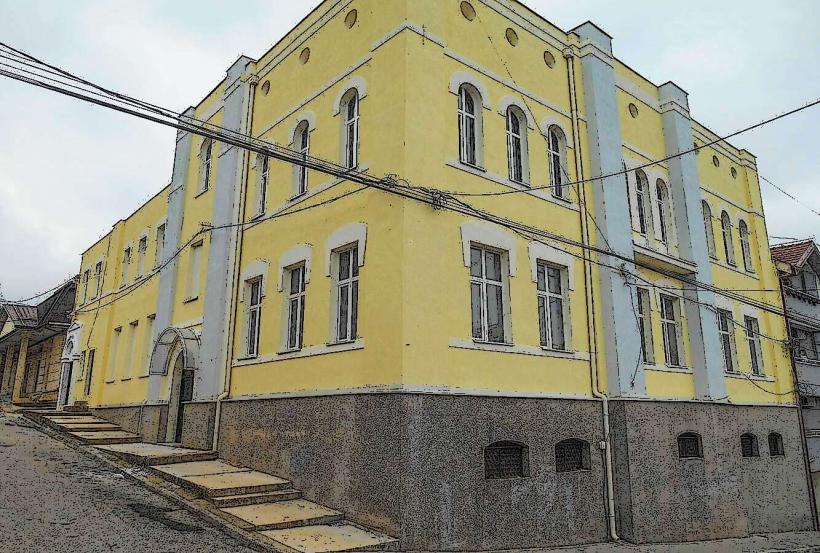
The museum is housed within the former Turkish Bath (Hamam) of Strumica, a stone structure dating from the 17th century. Its exterior features robust stone masonry, characteristic of Ottoman architecture, with a series of domed roofs of varying sizes. The building's footprint is rectangular, and its walls are constructed from cut stone blocks, exhibiting a weathered, light grey to beige coloration. The overall height is approximately 8-10 meters to the apex of the largest dome.
Location & Access Logistics
The museum is located at Marshal Tito Street No. 1, in the central area of Strumica. It is approximately 0.3 kilometers east of the city's main square. On-street parking is available on surrounding streets, though spaces can be limited during peak hours. The museum is accessible on foot from most central Strumica locations. Local bus lines serve the city center, with stops within a 5-minute walk of the museum entrance.
Historical & Ecological Origin
The building itself was constructed in the 17th century as a Turkish Bath (Hamam) during the Ottoman period, serving as a public bathing facility. It functioned in this capacity for centuries. The building was repurposed and established as the Museum of Ancient Strumica in 1952, following significant archaeological discoveries in the region. Its original purpose as a hamam dictated its internal layout, which has been adapted for exhibition spaces.
Key Highlights & Activities
Visitors can examine permanent exhibitions showcasing archaeological finds from the Strumica valley, including Roman mosaics, pottery, and funerary stelae. The collection features artifacts from the Neolithic period through the Middle Ages, with a focus on the Roman city of Tiberiopolis. Specific exhibits include a collection of Roman coins and early Christian basilica fragments. Educational programs are occasionally offered, and self-guided tours are standard.
Infrastructure & Amenities
Restrooms are available on-site. The building offers limited natural shade due to its thick stone walls and domed structure, maintaining a cooler interior temperature. Cell phone signal (4G/5G) is generally strong throughout the museum. Several cafes and restaurants are located within a 100-meter radius of the museum entrance, offering food and beverage options.
Best Time to Visit
The museum is typically open during standard business hours, generally from 9:00 to 17:00. Weekday mornings, shortly after opening, offer the least crowded experience. Interior lighting is consistent, making any time of day suitable for viewing exhibits. The months of April to June and September to October provide the most temperate weather for walking to and from the museum.
Facts & Legends
A notable artifact within the museum's collection is a well-preserved Roman mosaic depicting mythological scenes, discovered during excavations of ancient Tiberiopolis. This mosaic provides detailed insight into Roman artistic practices and daily life in the region. A local tip suggests observing the original hamam architecture, particularly the domed ceilings with small glass openings, which were designed to filter natural light into the bathing chambers.
Nearby Landmarks
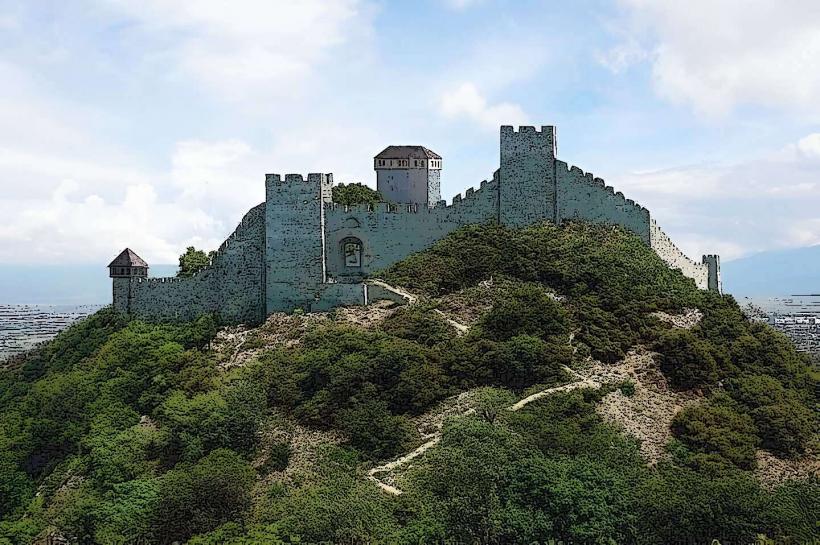
- Strumica Fortress (Strumichko Kale): 1.5km West
- Monastery of the Most Holy Theotokos Eleusa (Veljusa Monastery): 4.2km Southeast
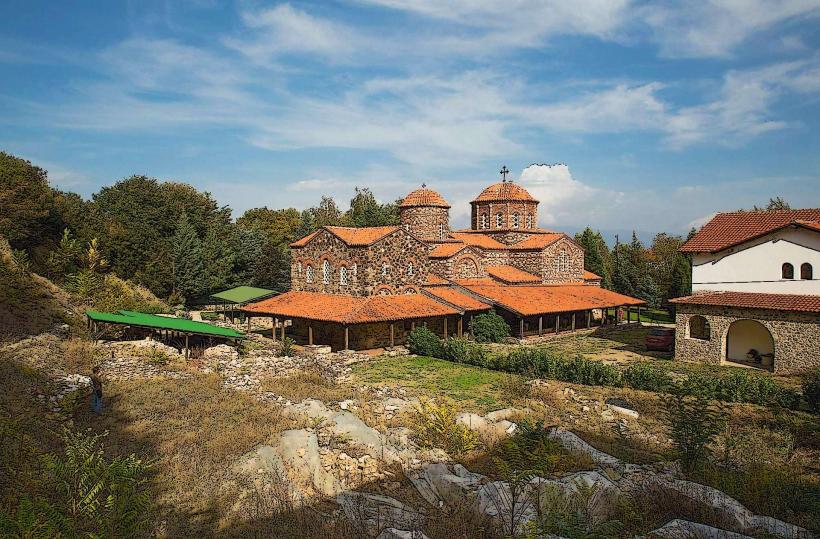
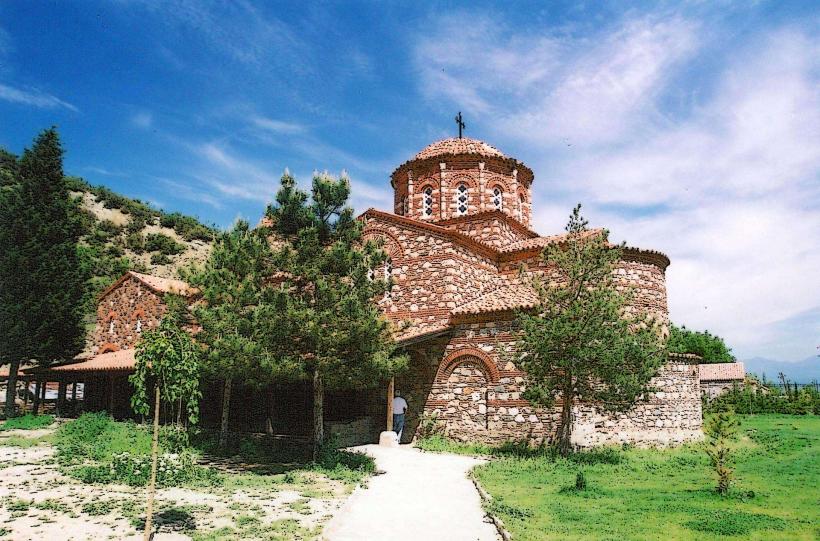
- St. Leontius Monastery (Vodocha Monastery): 3.8km Northwest
- Strumica City Park: 0.7km South