Information
City: SuvaCountry: Fiji
Continent: Australia
Suva, Fiji, Australia
Suva serves as the political and administrative capital of Fiji and the primary economic hub for the South Pacific region. It is situated on a hilly peninsula on the southeast coast of Viti Levu, the nation’s largest island, positioned between Laucala Bay and Suva Harbour.
Historical Timeline
Suva was established as a colonial administrative center in 1877, replacing Levuka on Ovalau island due to Levuka's restrictive geography. The formal transfer of governance occurred in 1882. The city transitioned from a Crown colony to the capital of the independent Dominion of Fiji in 1970. A major architectural and industrial reconstruction occurred between 1913 and 1916 with the large-scale reclamation of land for the King’s Wharf and the Walu Bay industrial zone. The primary event shaping the current urban form was the 1952 annexation of the Muanikau and Samabula wards, which expanded the municipal territory from one square mile to its modern urban sprawl.
Demographics & Population
The total population within the Suva city limits is approximately 94,000. The greater metropolitan area, which includes the Lami-Suva-Nasinu-Nausori corridor, contains approximately 330,000 residents, representing over one-third of Fiji’s national population. The top three ethnic demographics are iTaukei (Indigenous Fijian) at 51%, Indo-Fijian at 44%, and smaller minorities including Chinese, European, and other Pacific Islanders. The median age of the population is 29.1 years.
Urban Layout & Key Districts
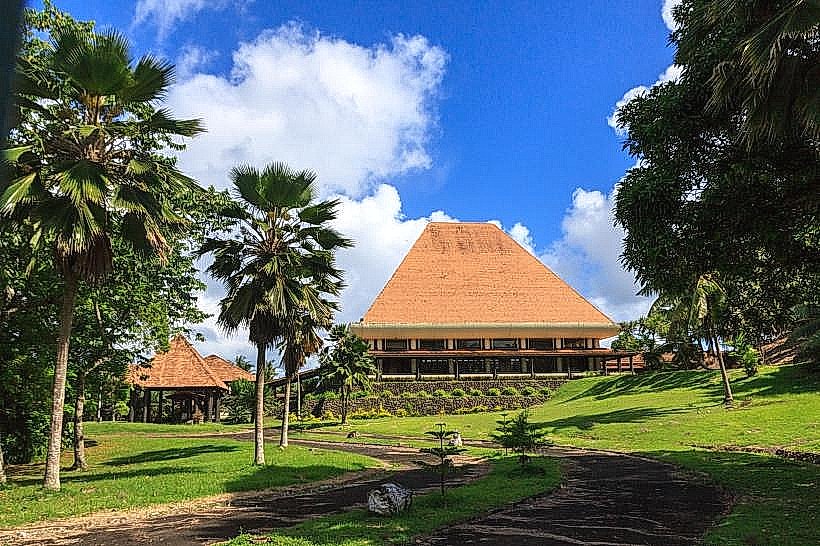
The city is organized on a peninsula bounded by Suva Harbour to the west and Laucala Bay to the east. The Central Business District (CBD) serves as the commercial core and is located on the southwestern waterfront. To the south lies the Government District, housing the parliament and judiciary. The residential and educational hub of Samabula is located to the northeast of the center, while Tamavua occupies the elevated ridges to the north, offering a primary residential zone for diplomatic missions.
Top City Landmarks
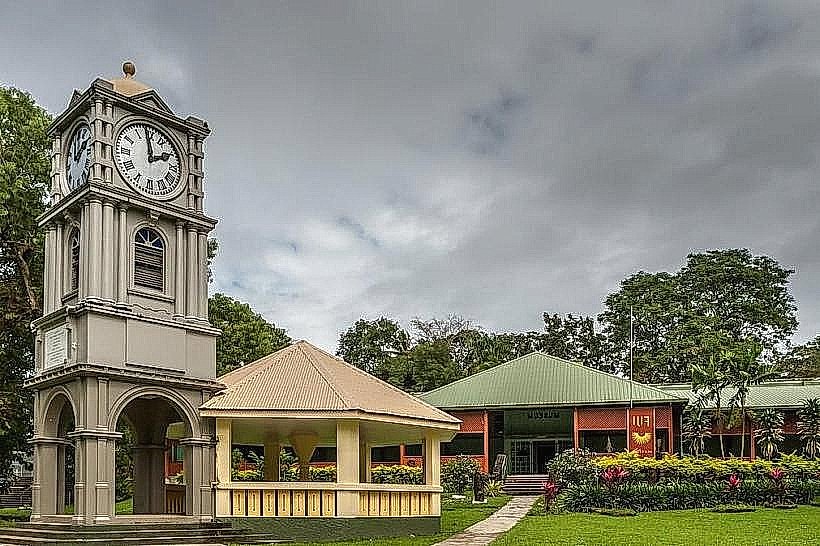
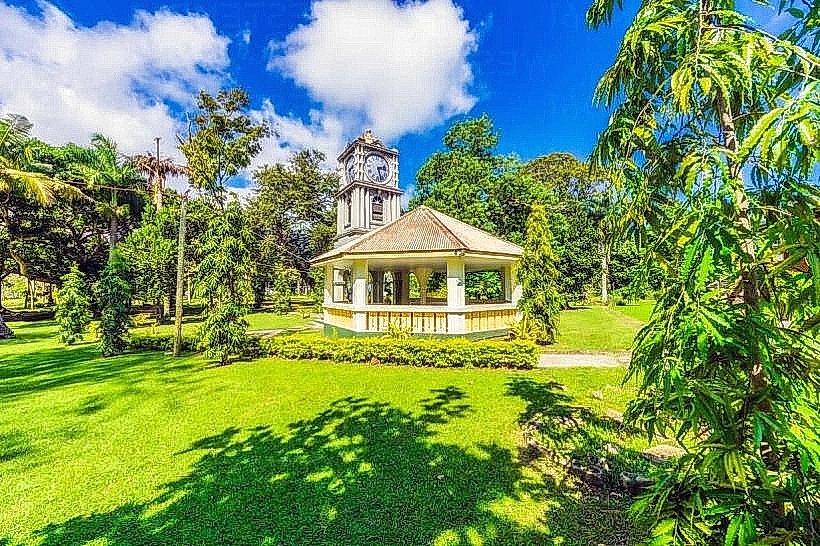
Fiji Museum: Located in Thurston Gardens, housing archaeological artifacts dating back 3,700 years.
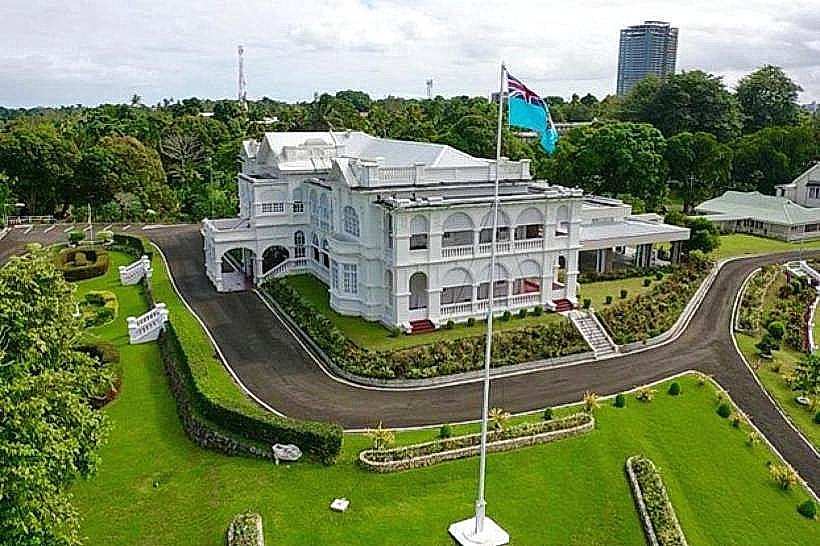
Government Buildings: A 1930s Art Deco complex housing the High Court and executive offices.
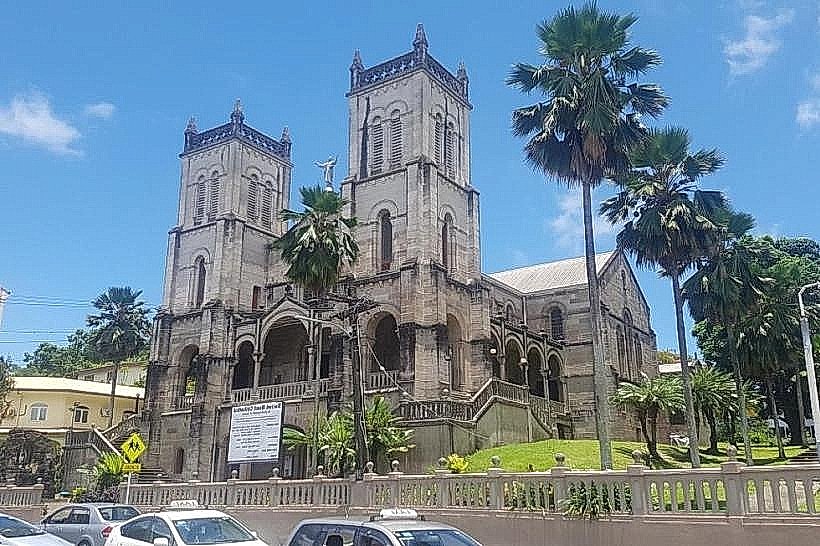
Sacred Heart Cathedral: A prominent white-stone structure built in 1902.
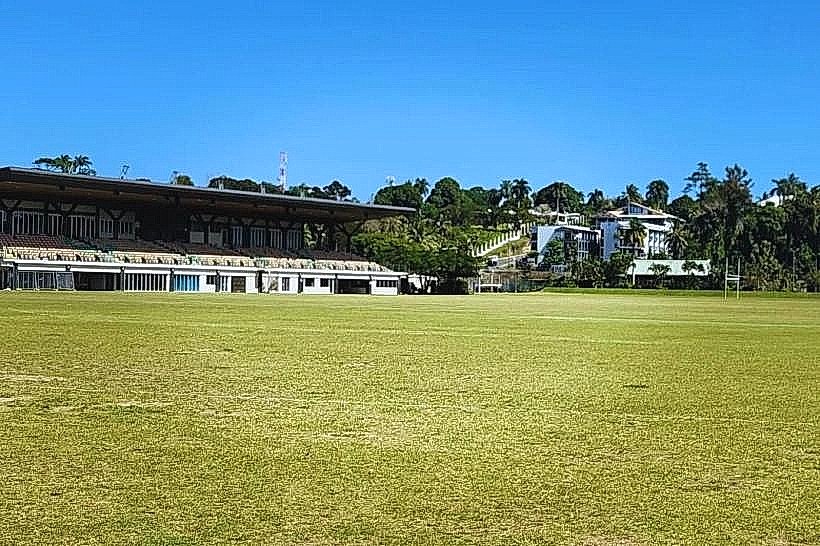
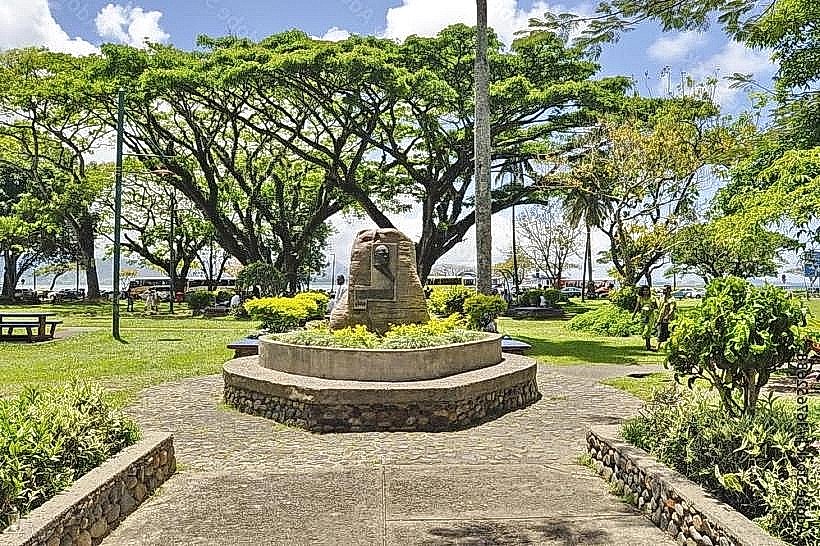
Albert Park: The central civic space where Charles Kingsford Smith landed the first trans-Pacific flight in 1928.
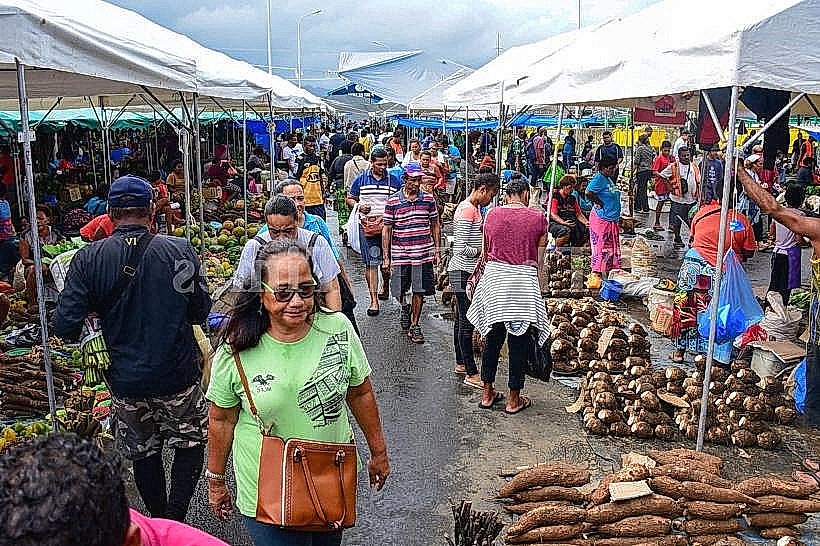
Suva Municipal Market: The largest produce and kava hub in the South Pacific, located adjacent to the wharf.
Transportation Network
Suva lacks a metro or tram system; transit relies on a dense network of private and municipal buses operating from the central bus station. Official taxis are typically white and utilize meters; they are highly available and hailed on the street. Ride-sharing is primarily facilitated by the local app Bondwell or independent operators. Traffic density is high during peak hours (07:30–09:00 and 16:30–18:00), particularly along the Suva-Nausori corridor.
Safety & "Red Zones"
The general safety level is moderate, with a high incidence of petty theft and opportunistic crime. Avoid walking alone at night in the Suva Point area, the backstreets of the CBD, and the neighborhood of Raiwaqa. The "seedy" areas of Suva North, particularly around Mark and Cumming Streets after dark, are designated high-risk for muggings. Be cautious of "sword sellers" in the CBD who attempt to engrave your name on a wooden souvenir before demanding high payment.
Digital & Financial Infrastructure
The average fixed broadband speed is 25–40 Mbps. Primary mobile carriers are Vodafone Fiji and Digicel, both offering 4G+ coverage. Credit and debit cards are widely accepted in malls, hotels, and upscale restaurants, but the economy remains heavily cash-reliant for markets and small vendors. ATMs are ubiquitous in the CBD and at major fuel stations (BSP, Westpac, ANZ).
Climate & Air Quality
Suva has a tropical rainforest climate with high humidity and significant rainfall year-round. Temperatures range from a daytime average of 26°C in August to 31°C in February. Air quality is generally high due to trade winds, though localized exhaust pollution occurs in the CBD. Tropical cyclone season runs from November to April, posing significant wind and flooding risks.
Culture & Social Norms
Tipping is not expected or traditional but is accepted for exceptional service. The standard greeting is "Bula" (formal handshake). Dress code is conservative; when visiting government offices or villages, shoulders and knees must be covered (using a sulu or sarong). Public consumption of alcohol is restricted to licensed premises, and smoking is prohibited in public buildings and on public transport.
Accommodation Zones
Suva Central/South: Recommended for logistical access to the Fiji Museum, Government Buildings, and the CBD's dining infrastructure.
Tamavua: Recommended for those seeking higher elevation, cooler temperatures, and a quieter residential environment away from the port.
Local Cost Index
1 Espresso: 7.50 FJD ($3.35 USD)
1 Standard Lunch: 15.00–25.00 FJD ($6.70–$11.15 USD)
1 Bus Ticket (Urban): 1.15–2.50 FJD ($0.50–$1.10 USD)
Nearby Day Trips
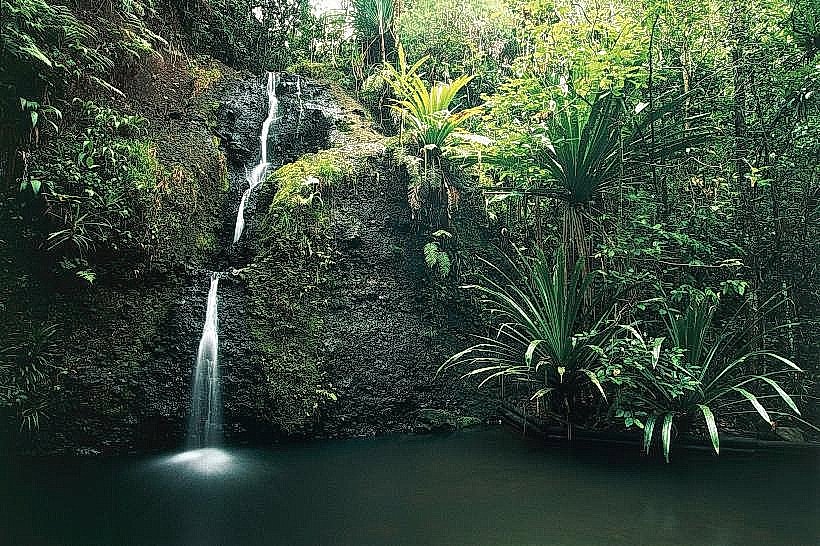
Colo-i-Suva Forest Park: 9 km (15-minute drive).
Pacific Harbour: 50 km (55-minute drive).
Bau Island: 35 km (1-hour drive and boat transfer).
Sigatoka Sand Dunes: 126 km (2-hour 15-minute drive).
Facts & Legends
Suva is the site of a persistent "urban legend" regarding the "Spirit of the Grand Pacific Hotel." Local lore suggests that the hotel, built in 1914 on reclaimed land, remains occupied by the ghosts of colonial-era travelers who died during the arduous sea voyages from Europe. Additionally, the city's Thurston Gardens are built on the original site of the village of Suva, which was burned to the ground during a tribal conflict in 1843 before the survivors relocated to the current site of the Suva Cemetery.