Information
City: ThessalonikiCountry: Greece
Continent: Europe
Thessaloniki, Greece, Europe
Thessaloniki serves as the capital of the Macedonia region and is the second-largest city in Greece. It is situated on the Thermaic Gulf in the northern Aegean Sea, acting as the primary economic and cultural gateway to the Balkans.
Historical Timeline
Founded in 315 BC by Cassander of Macedon and named after his wife, the sister of Alexander the Great. It became the capital of the Roman province of Macedonia and later the second most important city of the Byzantine Empire after Constantinople. Following Ottoman conquest in 1430, it became a major Sephardic Jewish center, often called the "Madre de Israel." It was incorporated into the Greek state in 1912. The city was largely rebuilt in a Neo-Byzantine style following the Great Fire of 1917.
Demographics & Population
As of 2026, the metropolitan population is approximately 1.1 million. The city has the highest density of students per capita in Greece, driven by the Aristotle University of Thessaloniki, the largest in the country. The demographic is predominantly Greek, with significant Balkan and Pontic Greek communities. The median age is 44.2 years.
Urban Layout & Key Districts
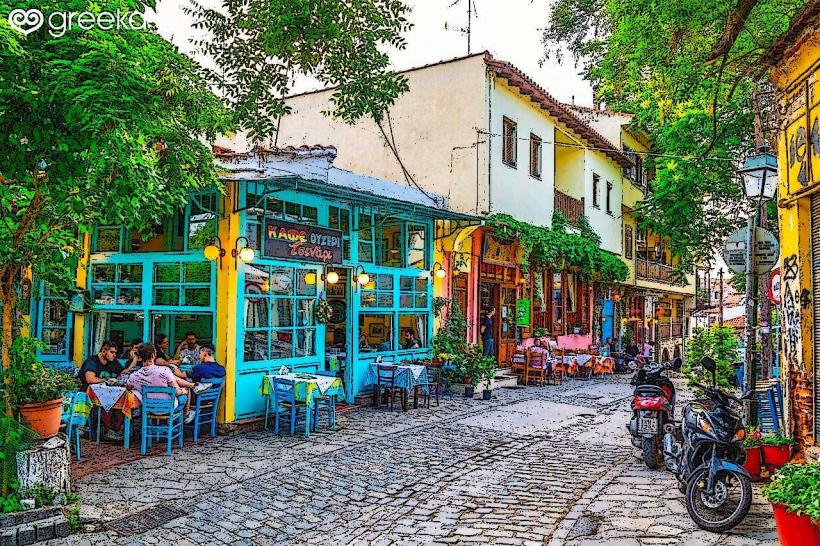
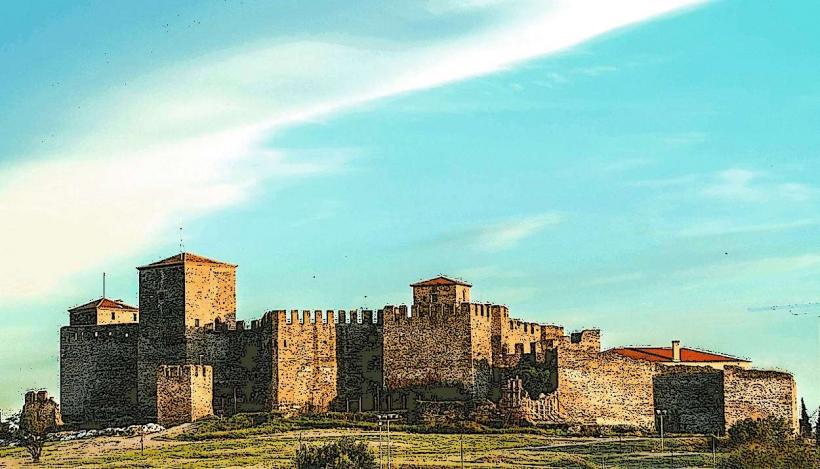
Ano Poli (Upper Town): The only district to survive the 1917 fire; characterized by traditional Macedonian architecture, narrow winding streets, and the Byzantine city walls.
Ladadika: A historic waterfront district formerly known for oil merchants, now the city’s primary entertainment and dining hub.
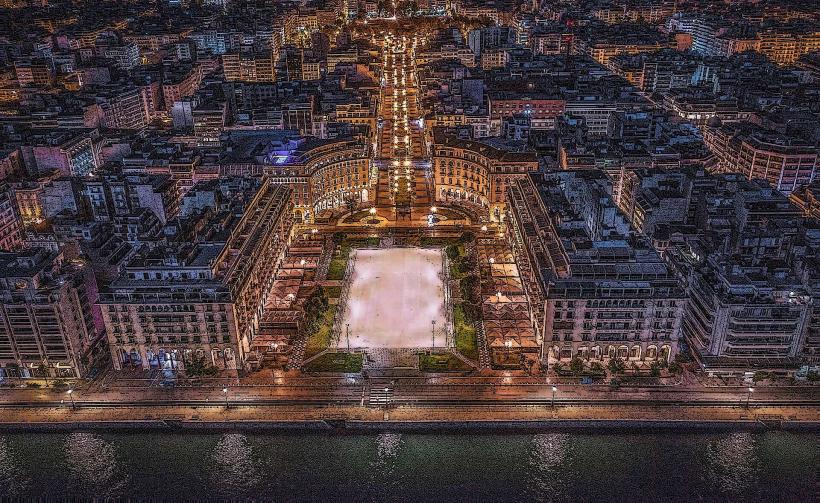
Aristotelous Square: The city's main monumental axis, designed by Ernest Hébrard, opening directly onto the sea.
Tsimiski Street: The primary high-end commercial and retail artery.
Kalamaria: An affluent coastal residential municipality located to the southeast.
Top City Landmarks
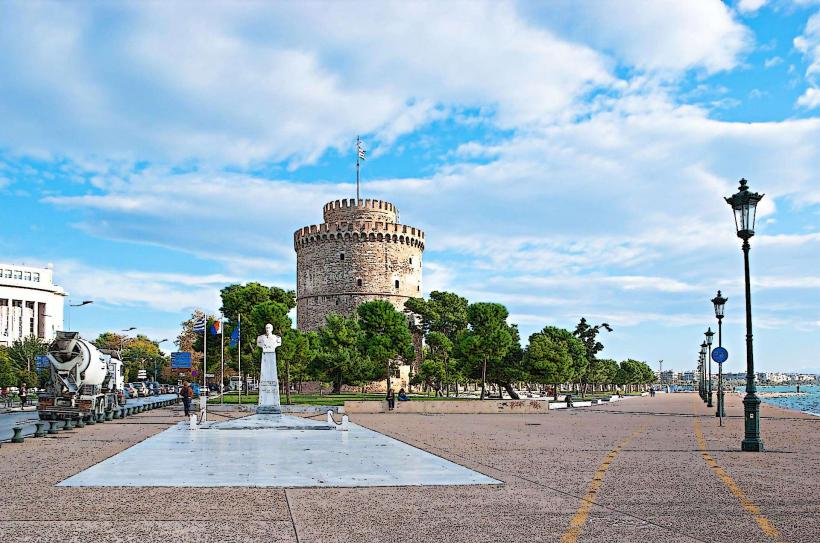
White Tower (Lefkos Pyrgos): A 15th-century Ottoman fortification and the city’s most recognizable symbol.
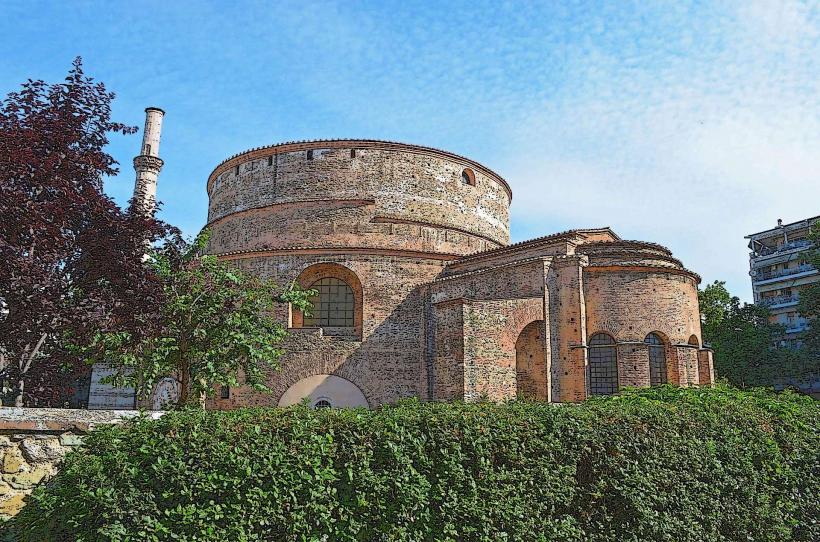
Rotunda of Galerius: A massive 4th-century circular structure that has served as a Roman temple, Christian church, and mosque.
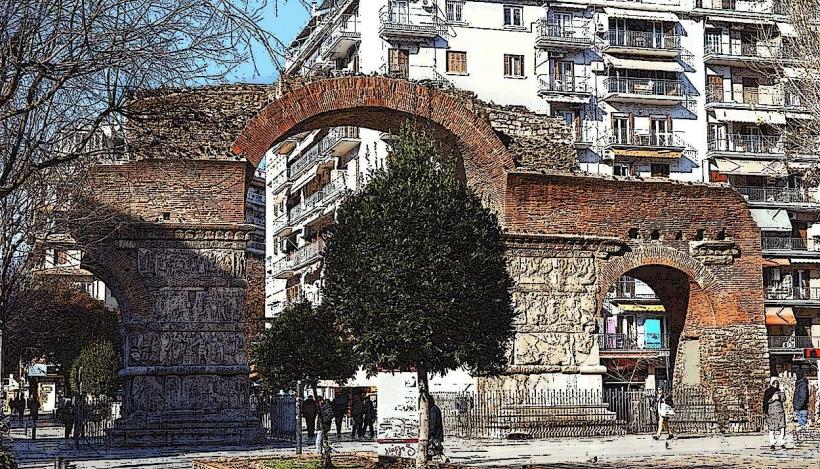
Arch of Galerius (Kamara): A celebratory Roman monument featuring intricate marble reliefs of military victories.
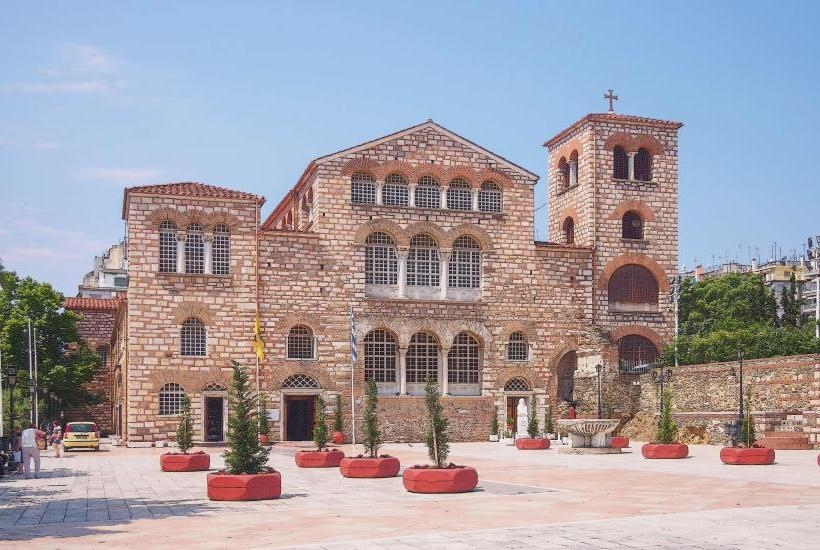
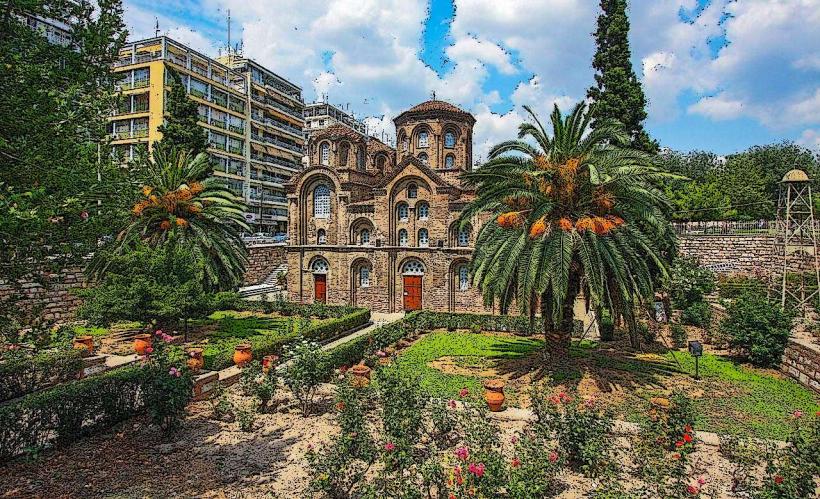
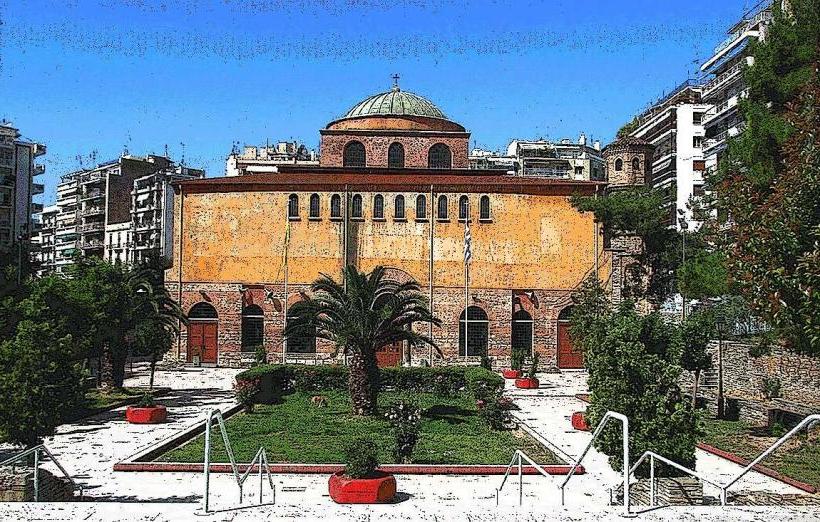
Church of Agios Dimitrios: The city’s main sanctuary dedicated to its patron saint; features 7th-century mosaics and a subterranean crypt.
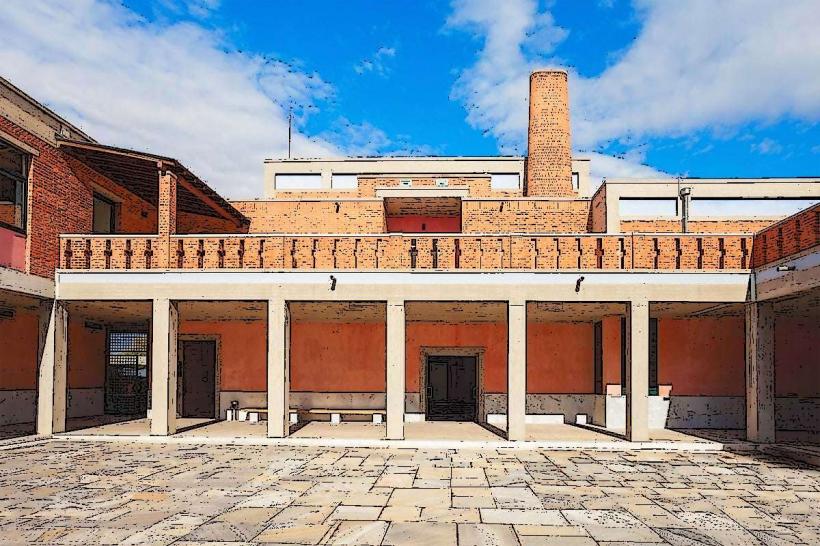
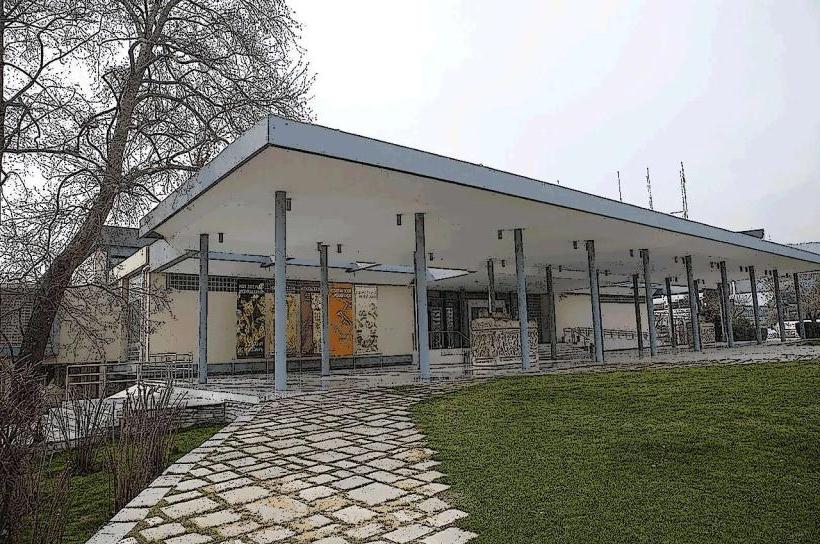
Archaeological Museum of Thessaloniki: Houses one of the world's most significant collections of ancient Macedonian gold and artifacts.
Transportation Network
Public transit is managed by OASTH via a comprehensive bus network. The Thessaloniki Metro (Line 1) is operational as of late 2024, providing high-speed transit from the Railway Station to Nea Elvetia. Taxis are blue and white; the primary app is Free Now. Thessaloniki Airport "Makedonia" (SKG) is located 13 km southeast. The port is a major hub for cargo and seasonal ferry links to the Sporades and North Aegean islands.
Safety & "Red Zones"
Thessaloniki is safer than most European cities of its size. Petty theft is the primary concern, particularly on the 01X Airport bus and around Aristotelous Square. The area surrounding the Railway Station and Vardaris Square requires caution at night due to illicit trade and social marginalization.
Digital & Financial Infrastructure
Average fixed broadband speed is 115 Mbps. 5G coverage is universal via Cosmote and Vodafone. Card acceptance is 100% in retail and dining. The currency is the Euro (€). ATMs are abundant in the city center.
Climate & Air Quality
The climate is Mediterranean with continental influences. Summers are hot and humid (22°C to 33°C); winters are cool and damp (3°C to 11°C), with occasional snowfall. Air quality can be compromised by traffic congestion and the city's amphitheater-like topography, which can trap pollutants during calm winds.
Culture & Social Norms
Language: Greek. English proficiency is high among younger residents and students.
Gastronomy: Known as the "culinary capital" of Greece. Signature items include Bougatsa (custard or cheese pastry), Koulouri (sesame bread rings), and "Soutzoukakia" (spiced meatballs).
Social Pace: The city is known for its "halara" (relaxed) lifestyle, with a heavy emphasis on café culture and late-night social gatherings.
Local Cost Index
1 Espresso (Freddo): €3.00–€4.00
1 Bougatsa Portion: €2.50–€3.50
1 Standard Lunch: €15.00–€22.00
1 Single Bus Ticket: €0.90
Nearby Day Trips
Mount Olympus (90 km): The highest mountain in Greece and mythological home of the gods.
Halkidiki (60–100 km): A major tourist destination featuring three peninsulas with white sand beaches and the monastic state of Mount Athos.
Vergina (Aigai) (75 km): The site of the Royal Tombs of the Macedonian kings, including Philip II of Macedon.
Facts & Legends
Legend says the city was named by its founder to honor his wife’s birth on the day of a victory ("nike") over the Thessalians. A verified historical fact: Thessaloniki was the first major city in Europe to receive a systematic letter from the Apostle Paul, forming the basis of the Biblical "Epistles to the Thessalonians."