Information
City: TimisoaraCountry: Romania
Continent: Europe
Timisoara, Romania, Europe
Timișoara serves as the main economic and cultural hub of western Romania and is the administrative capital of Timiș County. It is situated on the Bega River within the Banat Plain, near the borders of Hungary and Serbia.
Historical Timeline
The city was first officially recorded in 1212 as Castrum Regium Themes. It transitioned through Hungarian royal rule, a 164-year Ottoman occupation (1552–1716), and Austrian Habsburg governance starting in 1716. Following the 1716 siege, the city was completely reconstructed under the supervision of Governor Claudius Florimund Mercy. The primary event shaping its current urban form was the systematic 18th-century Habsburg fortification and subsequent "de-fortification" in the late 19th century, which replaced walls with the current ring-road system and expansive parks.
Demographics & Population
The population within city limits is approximately 250,849, with a metropolitan area of 430,071. Demographics are 82.5% Romanian, 5.1% Hungarian, and 1.3% German. The median age of the population is 42.9 years.
Urban Layout & Key Districts
The city is organized around a series of interconnected squares and the Bega River canal. The Cetate District (Central) is the historic core containing the main administrative squares. Iosefin (Southwest) and Fabric (East) are the historic industrial and residential quarters, while Aradului (North) functions as the primary commercial and retail corridor.
Top City Landmarks
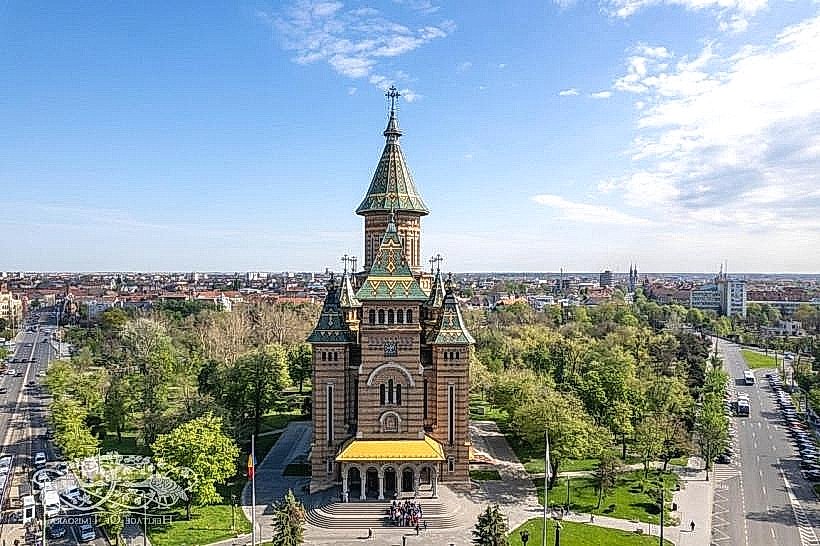
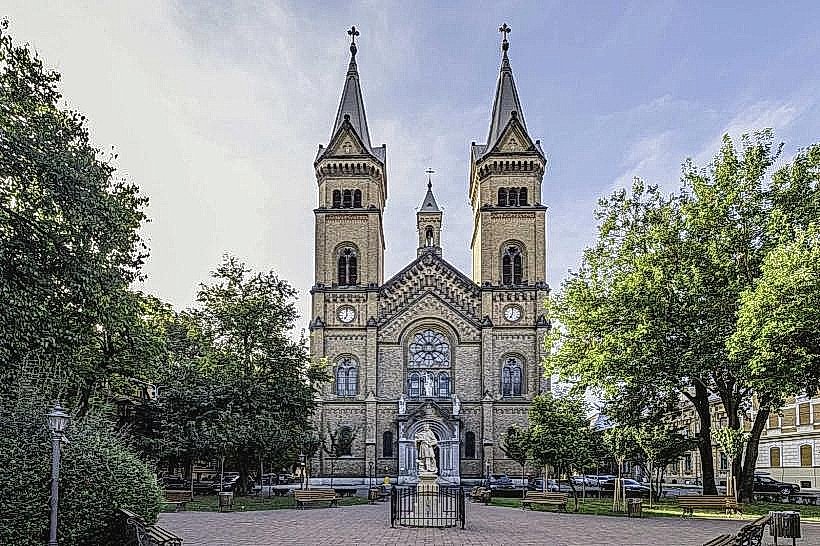
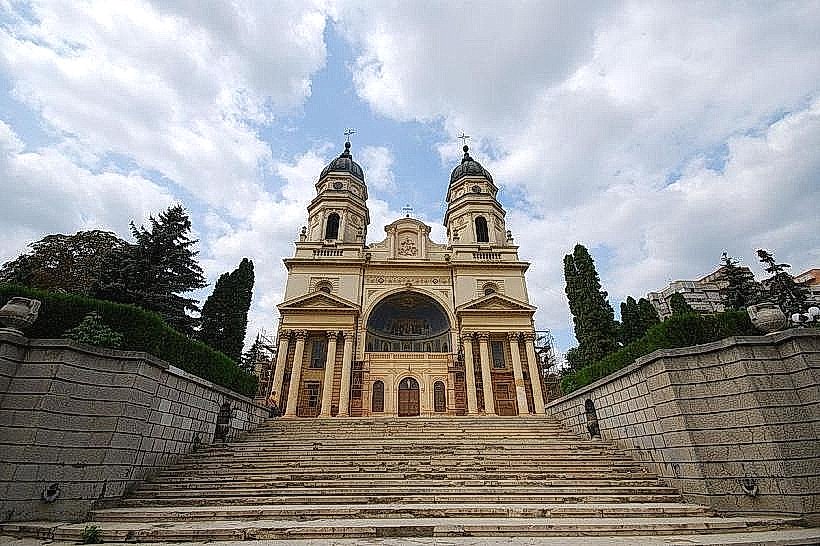
Timișoara Orthodox Cathedral
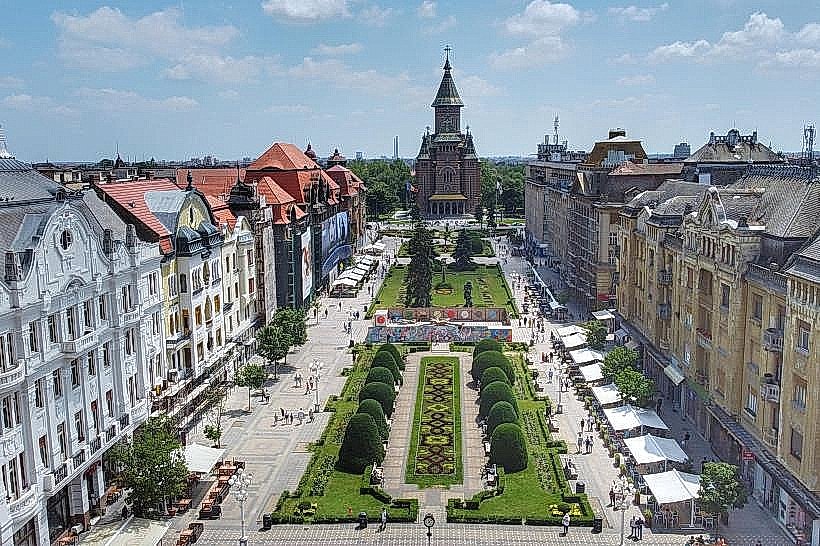
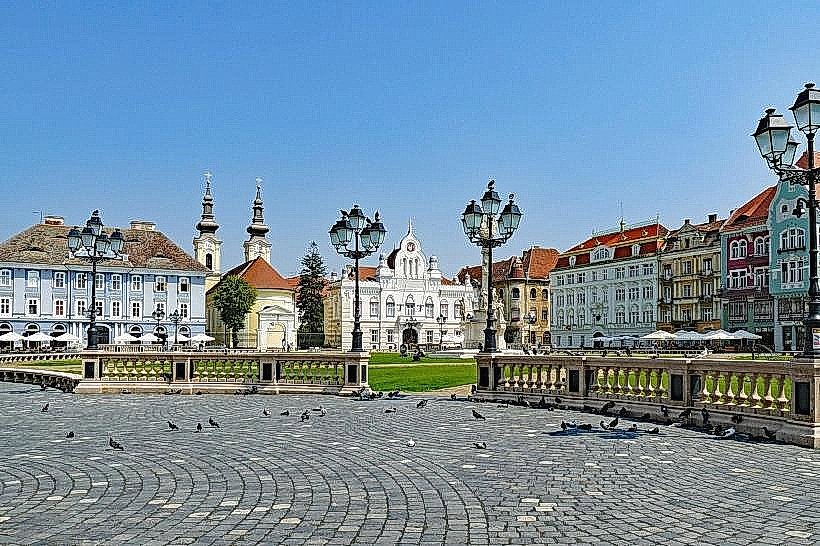
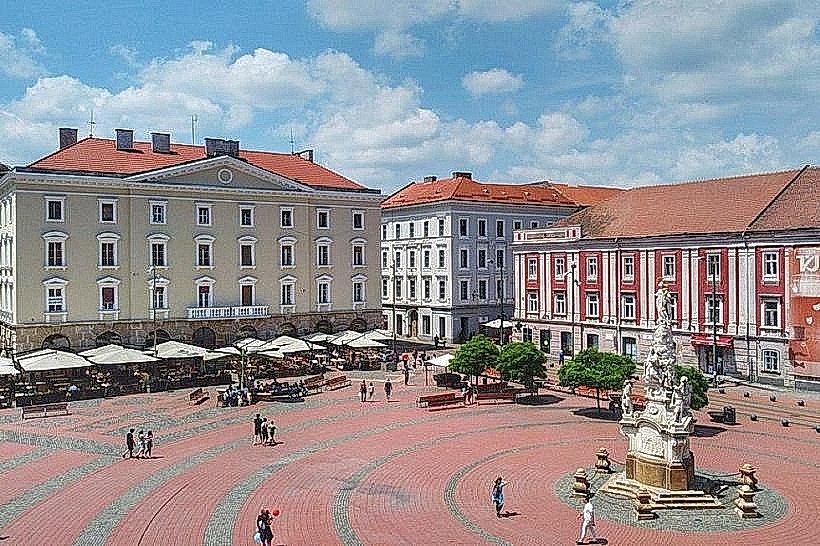
Union Square (Piața Unirii)
Victory Square (Piața Victoriei)
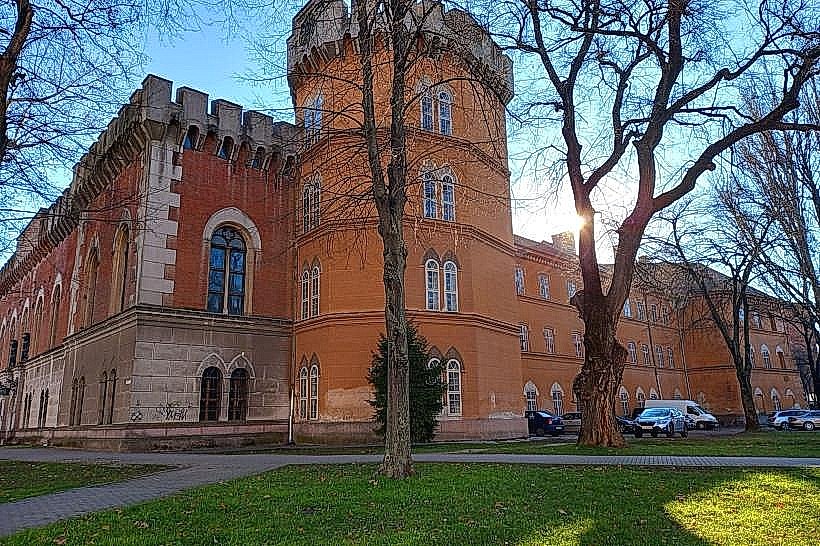
Huniade Castle (Banat Museum)
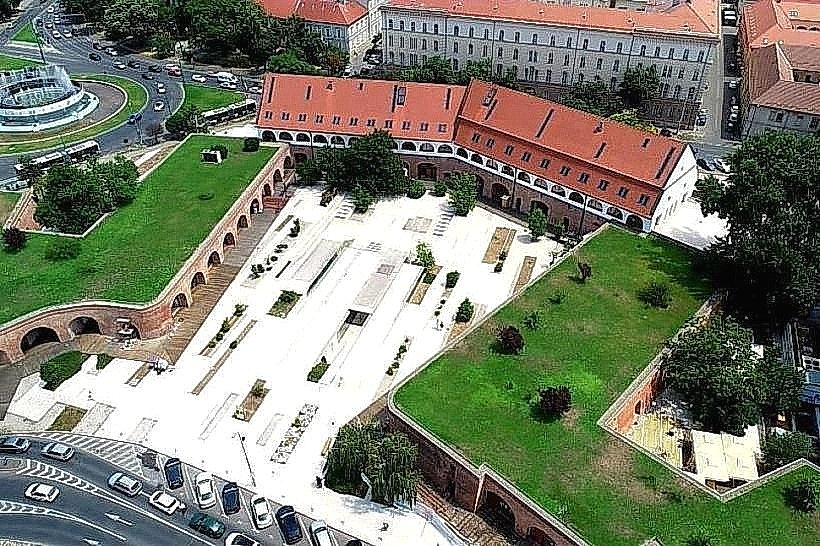
Maria Theresa Bastion
Transportation Network
Internal transit is managed by STPT, utilizing 8 tram lines, 8 trolleybus lines, and 29 bus lines. Trams are the most reliable north-south connectors. Ride-sharing via Uber and Bolt is the standard for private transport. Official taxis are white with the company name (e.g., Tudo, Euro) and rates clearly displayed on the front door. Traffic density is high at the Michelangelo Bridge and North Railway Station intersections during peak hours.
Safety & "Red Zones"
The city is generally safe for travelers. Avoid the North Railway Station (Gara de Nord) area and the Calea Șagului periphery late at night. Common scams involve "unofficial" taxi drivers at the airport or station attempting to charge flat rates instead of using the meter; ensure the meter is active upon departure.
Digital & Financial Infrastructure
Average fiber-optic internet speed is 180 Mbps. Main mobile carriers are Orange, Vodafone, and Digi (RCS & RDS). Card acceptance is high in nearly all retail and dining establishments. ATMs are densely distributed in the Cetate and Iosefin districts.
Climate & Air Quality
Temperature ranges from -3°C to 2°C in January and 16°C to 29°C in July. Air quality concerns include particulate matter (PM2.5) during winter due to residential heating. Weather risks include high-velocity windstorms and heavy rain during late spring.
Culture & Social Norms
A 10% tip is standard in restaurants. Handshakes are the common greeting. Dress code is casual, though business-casual is expected in upscale dining. Smoking is prohibited indoors. Alcohol consumption is restricted to licensed terraces and private property; public intoxication in parks is subject to fines.
Accommodation Zones
Stay in the Cetate District for immediate pedestrian access to historic squares and cultural venues. Stay in the Complex Studențesc area for logistical proximity to the city center at a lower price point, suitable for younger travelers.
Local Cost Index
1 Espresso: 13 RON ($2.85)
1 Standard Lunch: 45 RON ($9.85)
1 Metro/Bus Ticket: 4 RON ($0.88)
Nearby Day Trips
Recaș Vineyards: 22 km
Turda Salt Mine: 250 km (approx. 3 hours, marginally exceeds 2-hour limit by rail, 2.5 by car)
Arad City: 55 km
Corvin Castle (Hunedoara): 170 km
Facts & Legends
Timișoara was the first city in mainland Europe to introduce electric street lighting in 1884. A local urban legend concerns the "Phantom of the Opera," centered on the National Theatre and Opera building, where performers have claimed to hear disembodied music in the underground levels that were built over a former Ottoman bathhouse.