Information
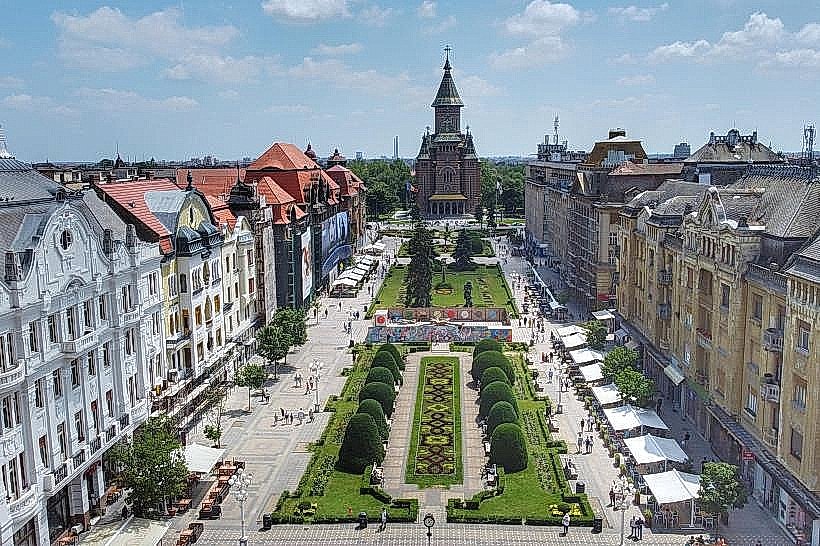
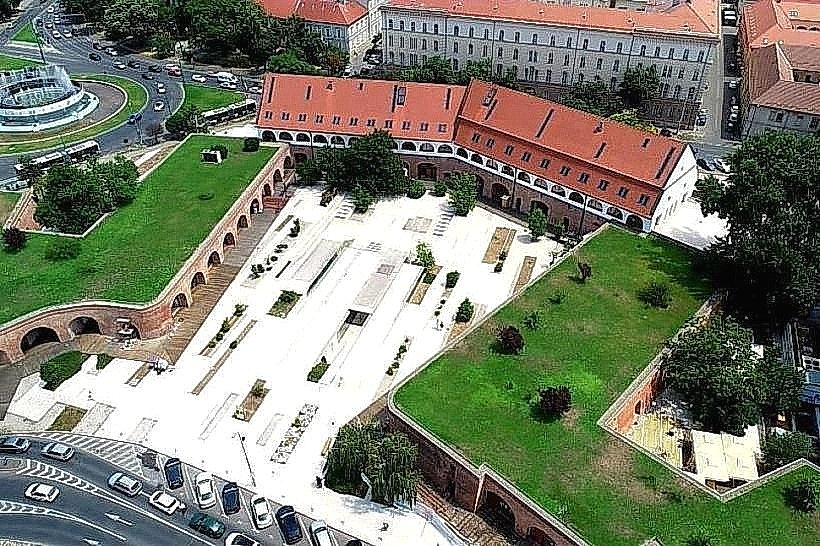
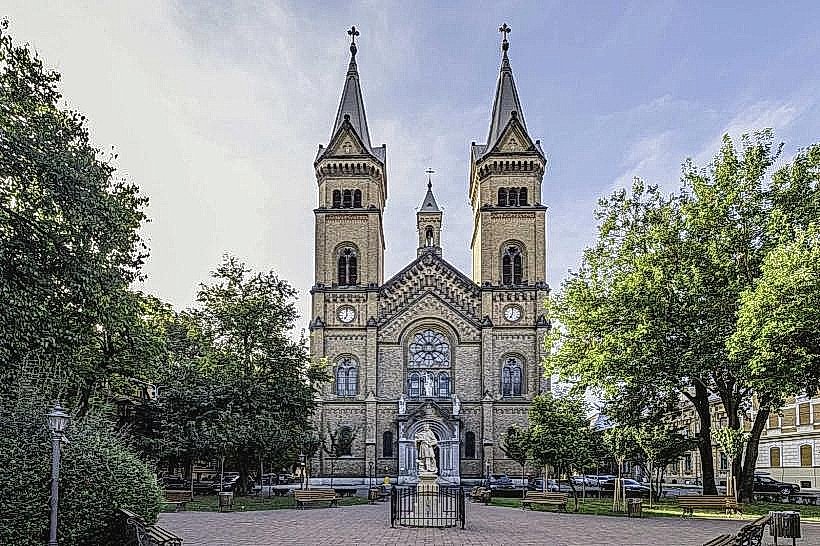
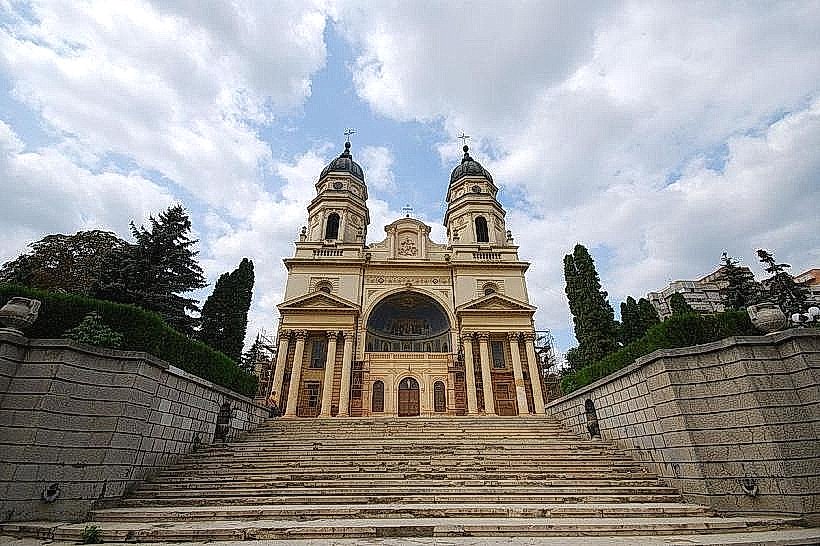
Landmark: Metropolitan CathedralCity: Timisoara
Country: Romania
Continent: Europe
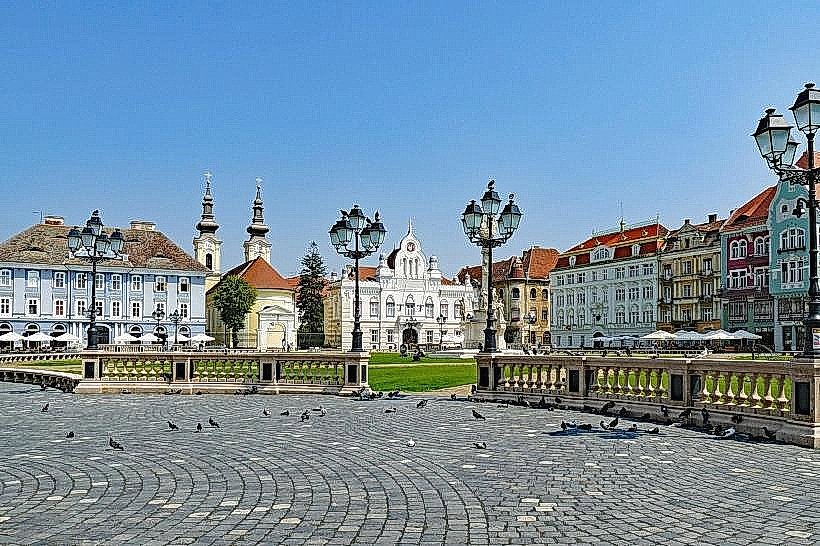
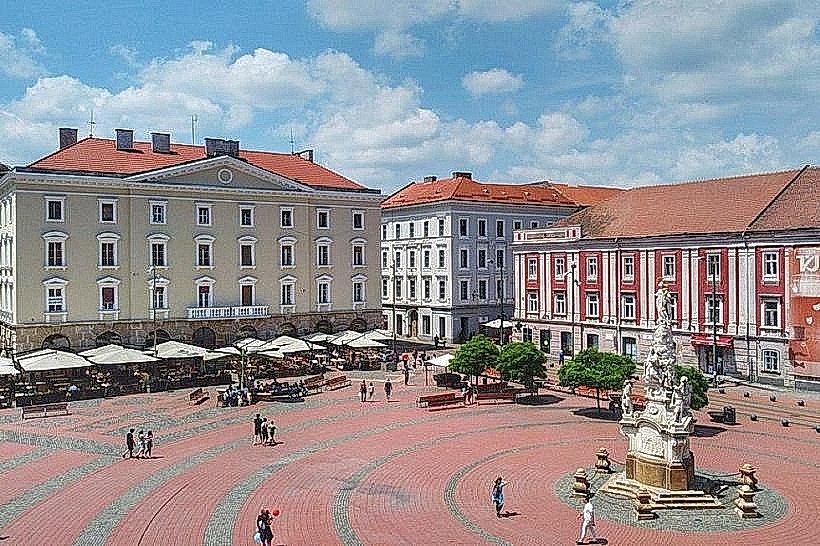
Metropolitan Cathedral, Timisoara, Romania, Europe
Government House is an administrative building located in Porto-Novo, Benin.
Visual Characteristics
The structure is a two-story colonial-era building constructed primarily from red brick and white stucco. It features a symmetrical facade with a central portico supported by Doric columns. The roof is pitched and covered with terracotta tiles. Large, arched windows with green shutters are a prominent feature on both levels.
Location & Access Logistics
Government House is situated in the central district of Porto-Novo, approximately 1.5 kilometers west of the city center. Access is via Avenue du Général de Gaulle. Limited street parking is available in the vicinity. Public transport options include local taxis and mototaxis that frequent Avenue du Général de Gaulle.
Historical & Ecological Origin
Construction of Government House was completed in 1902 during the French colonial period. It was designed by French architect Louis-Auguste Boileau to serve as the residence and administrative headquarters for the Governor of Dahomey. The building's design reflects late 19th-century French colonial architectural styles.
Key Highlights & Activities
The primary function of Government House is administrative. Public access to the interior is restricted. Exterior viewing and photography are permitted from the street. The building's architecture can be observed from the surrounding public spaces.
Infrastructure & Amenities
Restrooms are not publicly accessible. Shade is available from the building's overhang and nearby trees. Cell phone signal (4G/5G) is generally good in this central urban area. No food vendors are located directly on the premises; options are available on nearby streets.
Best Time to Visit
For exterior photography, the best time of day is mid-morning (9:00 AM - 11:00 AM) or late afternoon (3:00 PM - 5:00 PM) to avoid harsh shadows. The dry seasons, from November to March and July to August, offer the most pleasant weather for visiting the exterior.
Facts & Legends
During the colonial era, the building was the site of numerous official ceremonies and diplomatic receptions. A specific local anecdote suggests that the original plans for the building were lost during transit to Benin and had to be redrawn from memory by the architect.
Nearby Landmarks
- Musée d'Art Africain Contemporain (0.3km East)
- Cathédrale Notre-Dame de Porto-Novo (0.6km Southeast)
- Palais Présidentiel (0.8km South)
- Grand Marché de Porto-Novo (1.2km West)