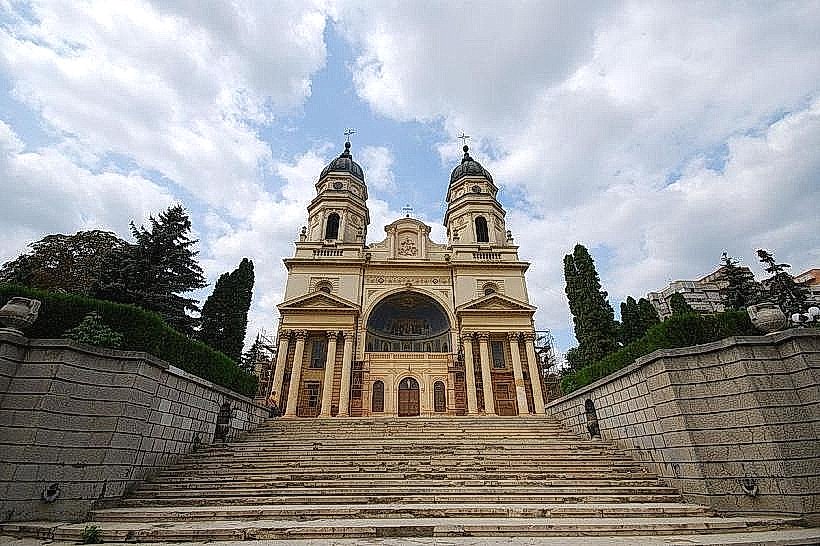
Information
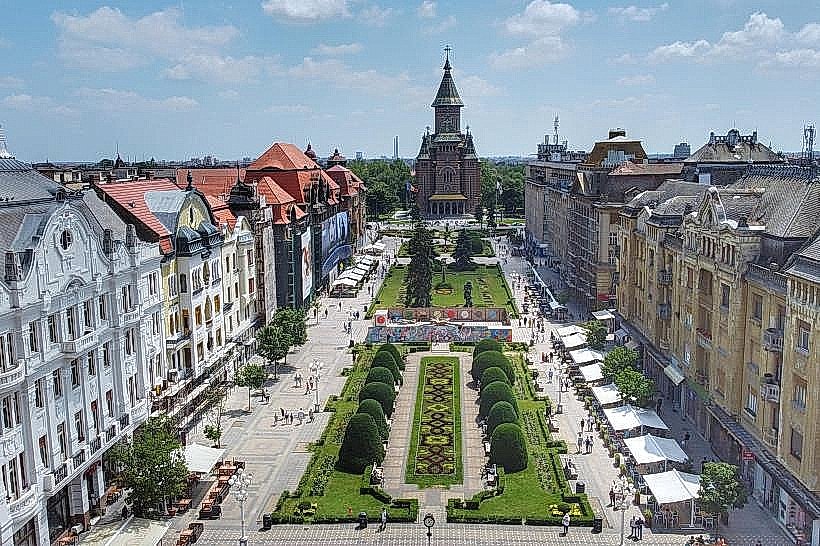
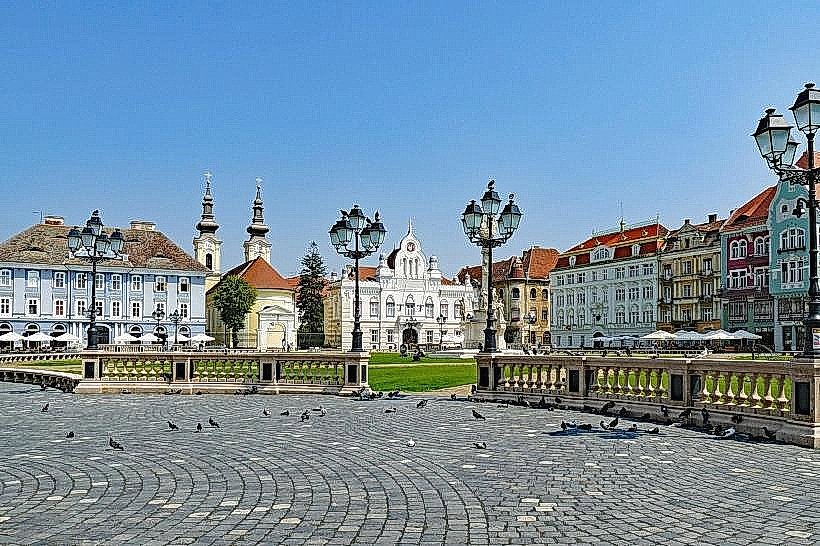
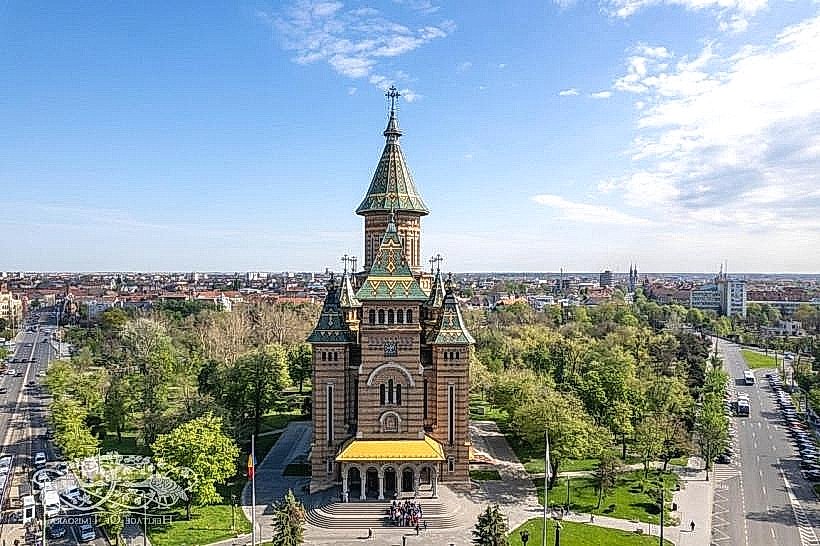
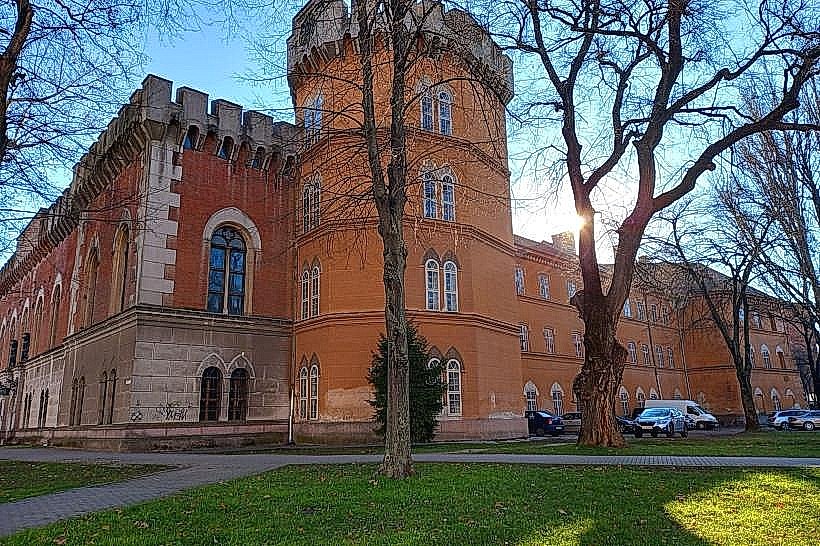
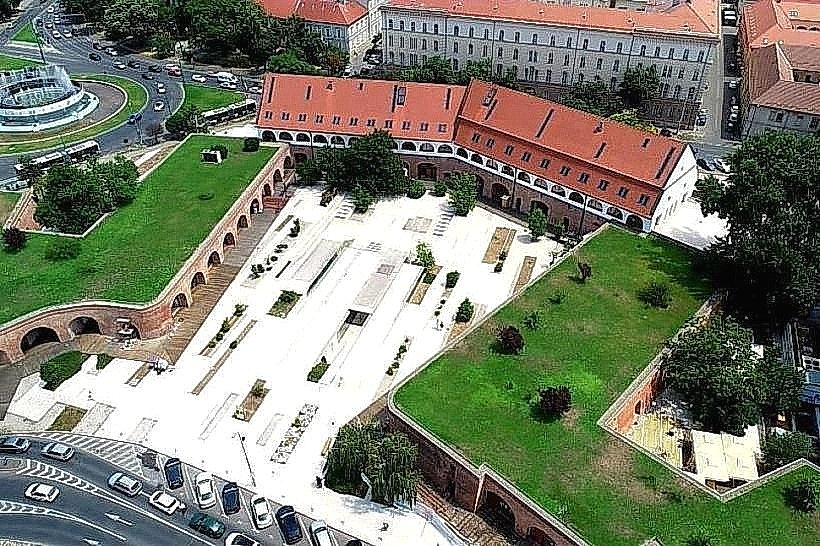
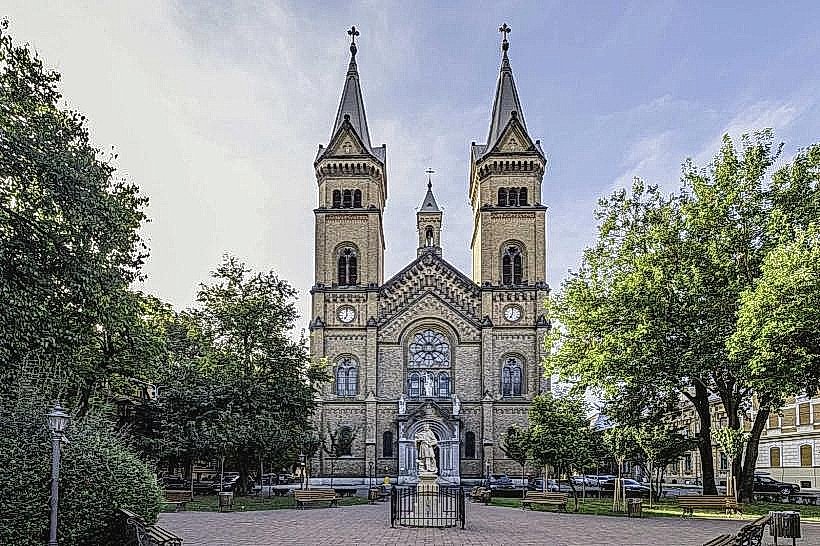
Landmark: Liberty Square (Piața Libertății)City: Timisoara
Country: Romania
Continent: Europe
Liberty Square (Piața Libertății), Timisoara, Romania, Europe
The Cotonou-Porto-Novo Canal is an artificial waterway connecting the cities of Cotonou and Porto-Novo in Benin.
Visual Characteristics
The canal is a man-made channel with earthen banks, varying in width from approximately 20 to 50 meters. The water color is typically brown or greenish-brown, influenced by sediment and local vegetation. Dense tropical vegetation, including palm trees and various shrubs, lines much of its course.
Location & Access Logistics
The canal runs east-west, separating the lagoon from the Atlantic Ocean. Access points are primarily from the coastal roads near Cotonou and Porto-Novo. Specific access points include the road leading to the port of Cotonou and various smaller tracks along the lagoon's edge in Porto-Novo. Public transport is limited directly to the canal; however, taxis and local buses operate along the main roads adjacent to it. Parking is generally available along these main roads, though it can be informal.
Historical & Ecological Origin
Construction of the canal began in 1920 and was completed in 1925. It was an initiative of the French colonial administration, intended to facilitate maritime trade and transportation between the economic hub of Cotonou and the administrative capital, Porto-Novo. Ecologically, it altered the natural hydrology of the coastal lagoon system.
Key Highlights & Activities
Boat tours are available, offering passage along the canal. Fishing is a common activity for local residents. Observation of birdlife is possible along the vegetated banks.
Infrastructure & Amenities
Restrooms are not consistently available along the canal itself; facilities are more likely to be found in the urban centers of Cotonou and Porto-Novo. Shade is provided by natural vegetation. Cell phone signal (4G/5G) is generally available in proximity to the urban areas bordering the canal. Food vendors are typically located in the towns rather than directly along the canal banks.
Best Time to Visit
The best time of day for photography is generally in the early morning or late afternoon when the sun's angle provides softer light. The dry seasons, from November to March and July to August, offer more favorable weather conditions with less rainfall. There are no specific tide requirements for canal navigation.
Facts & Legends
A local anecdote suggests that the canal was dug using manual labor and rudimentary tools, with workers often facing challenging tropical conditions. It is also said that the canal's construction was a significant undertaking that reshaped the local landscape and economy.
Nearby Landmarks
- Port of Cotonou (0.8km West)
- Grand Marché Dantokpa (2.5km West)
- Presidential Palace, Porto-Novo (3.2km East)
- Musée d'Art Africain Contemporain, Porto-Novo (3.5km East)
- Cathédrale Notre-Dame de Miséricorde, Porto-Novo (3.8km East)