Information
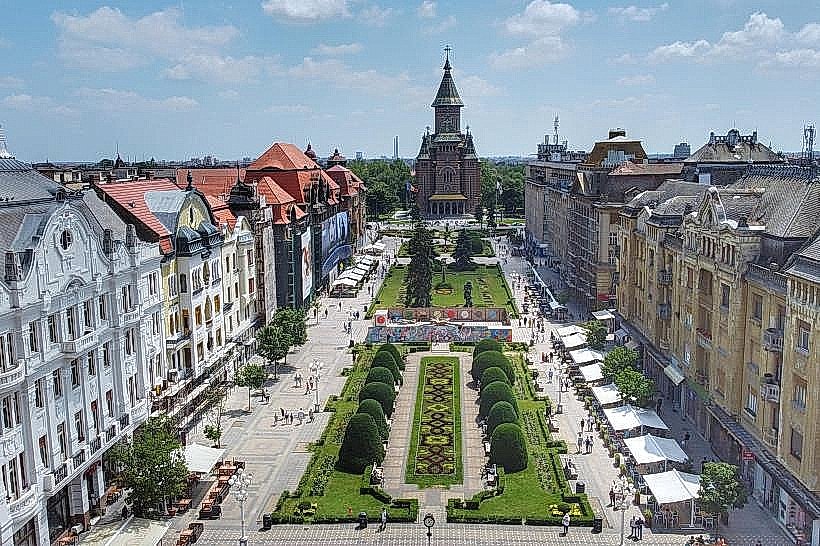
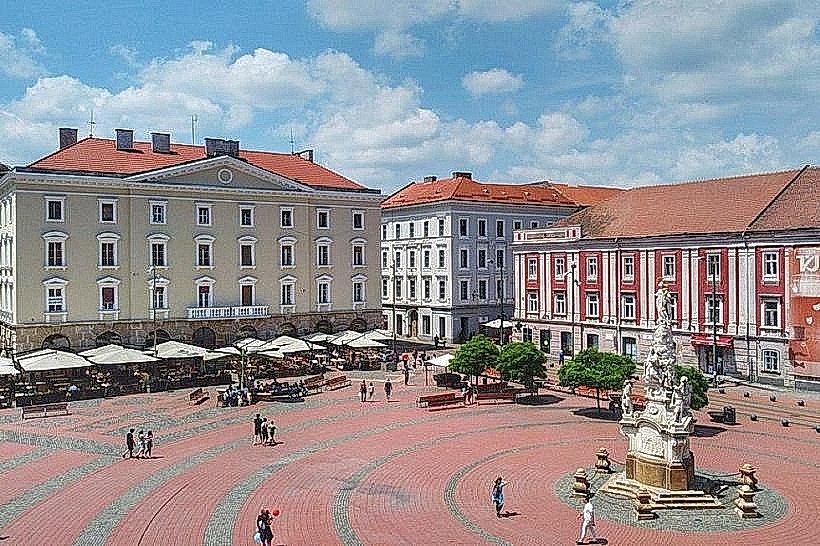
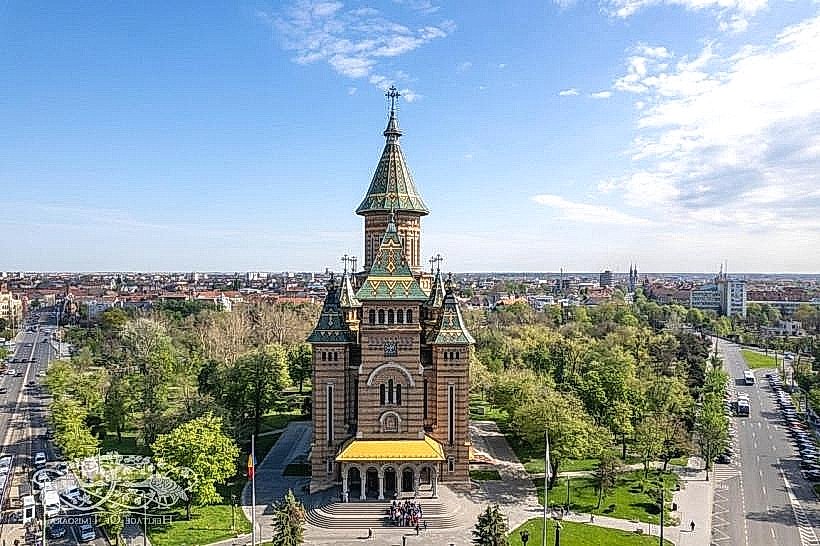
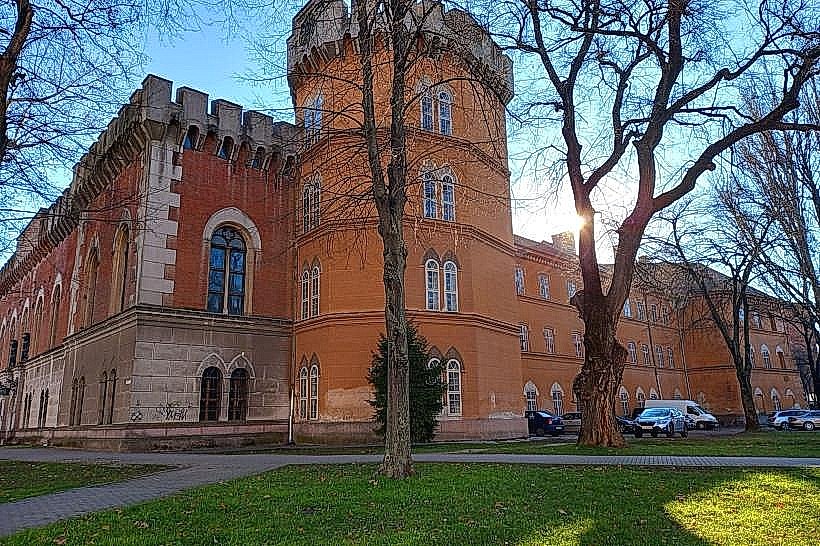
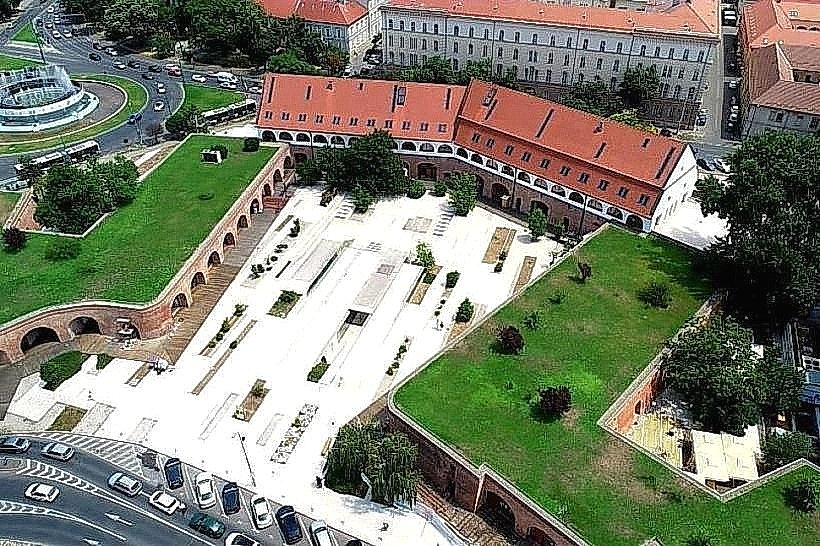
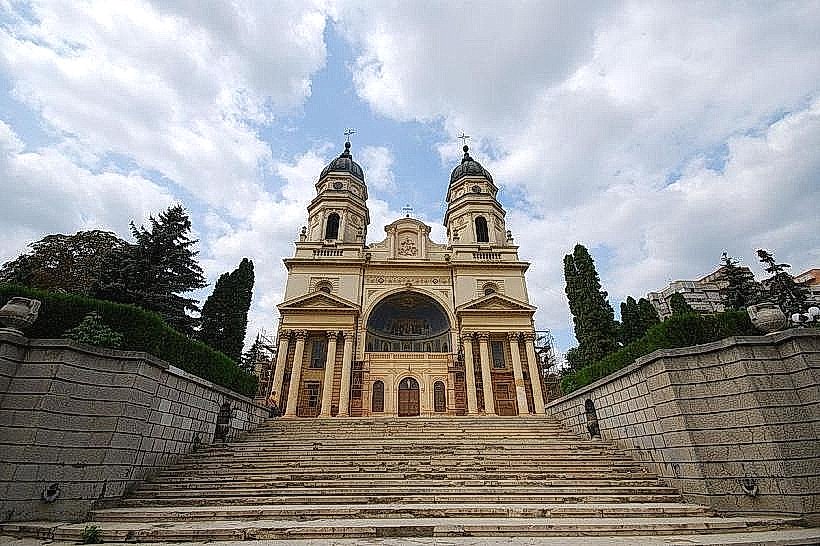
Landmark: Union Square (Piața Unirii)City: Timisoara
Country: Romania
Continent: Europe
Union Square (Piața Unirii), Timisoara, Romania, Europe
Place des Martyrs is a public square located in Porto-Novo, Benin.
Visual Characteristics
The square features a central monument constructed from concrete and metal. Paved walkways surround the monument, with scattered trees providing limited shade. The surrounding area is characterized by low-rise administrative buildings and open paved spaces.
Location & Access Logistics
Place des Martyrs is situated in the administrative center of Porto-Novo, approximately 1.5km north of the city's central market. Access is via Avenue du Général de Gaulle. Limited street parking is available in the vicinity. Public transport routes serving the city center generally pass within a 500-meter radius of the square.
Historical & Ecological Origin
The square was established as a memorial site. The central monument commemorates individuals who died during periods of political unrest in Benin. Its construction date is not precisely documented but is understood to be post-independence.
Key Highlights & Activities
Visitors can observe the central monument. The open space allows for pedestrian movement. The square serves as a point of reference within the city's administrative district.
Infrastructure & Amenities
Restrooms are not directly located within the square but are available in nearby government buildings. Shade is minimal, provided only by scattered trees. Cell phone signal (2G/3G) is generally available. Food vendors are typically found along the main avenues leading to the square.
Best Time to Visit
For photography, early morning or late afternoon offers softer lighting. The months of November through February generally provide drier weather conditions. There are no tidal considerations for visiting this site.
Facts & Legends
The monument's design is intended to symbolize resilience and remembrance. Local accounts suggest that certain inscriptions on the monument were added incrementally over time to reflect evolving historical narratives.
Nearby Landmarks
- Palais de la République (0.3km West)
- Musée d'Art Africain Contemporain (0.7km South)
- Grand Marché (1.5km South)
- Cathédrale Notre-Dame de Porto-Novo (1.8km Southwest)