Information
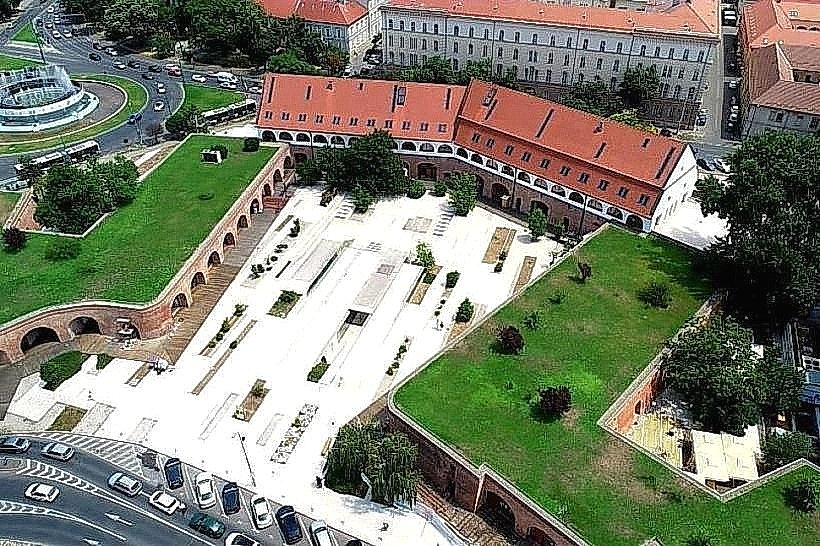
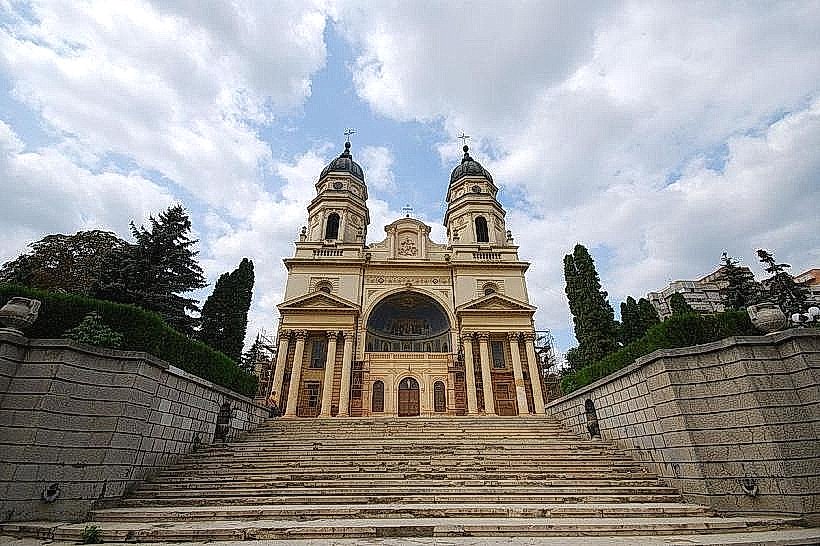
Landmark: Huniade CastleCity: Timisoara
Country: Romania
Continent: Europe
Huniade Castle, Timisoara, Romania, Europe
The Sacred Forests of Kpassè is a protected forest area located in Porto-Novo, Benin.
Visual Characteristics
The forest is characterized by dense tropical vegetation, primarily composed of mature trees with a thick canopy. The ground is covered with leaf litter and smaller undergrowth. Several small, natural clearings exist within the forest. The area is bisected by a small, slow-moving stream.
Location & Access Logistics
The Sacred Forests are situated approximately 3 kilometers west of Porto-Novo's city center. Access is via the Route Nationale 1 (RN1) heading towards Cotonou. Turn south onto the unpaved road marked by a small sign for the forest. Parking is available on the unpaved shoulder of this access road. No public transport directly serves the forest entrance; local taxis or private vehicles are required from Porto-Novo.
Historical & Ecological Origin
The Sacred Forests are a remnant of the original coastal forest ecosystem. They have been maintained and protected for centuries due to their spiritual significance within local Vodun traditions. The exact date of their designation as sacred is not recorded, but their importance predates colonial administration. Ecologically, it represents a fragment of the Guinean forest-ecoregion.
Key Highlights & Activities
Visitors can walk the designated footpaths through the forest. Observation of local flora and fauna is possible. Photography of the natural environment is permitted. Guided tours focusing on the spiritual significance and history of the site are available upon request from local guides stationed near the entrance.
Infrastructure & Amenities
Basic sanitation facilities (pit latrines) are located near the main entrance. Limited shade is provided by the tree canopy. Cell phone signal (2G/3G) is intermittent within the forest. No food vendors are present within the forest; vendors operate on the main road outside the entrance.
Best Time to Visit
The best time of day for photography is between 09:00 and 11:00 or 15:00 and 17:00 for optimal natural light penetration through the canopy. The dry season, from November to April, offers more comfortable walking conditions. The wet season (May to October) can result in muddy paths.
Facts & Legends
Local tradition holds that the forest is inhabited by spirits and is a place where deities communicate with humans. It is considered taboo to remove any plant material or disturb the natural state of the forest. A specific legend states that the stream running through the forest has healing properties.
Nearby Landmarks
- Porto-Novo Cathedral (2.5km East)
- Presidential Palace, Porto-Novo (3.0km East)
- Musée d'Art Africain Contemporain (3.2km East)
- Grand Marché de Porto-Novo (3.5km East)
- Lake Nokoué (4.0km Southeast)