Information
City: WestfjordsCountry: Iceland
Continent: Europe
Westfjords, Iceland, Europe
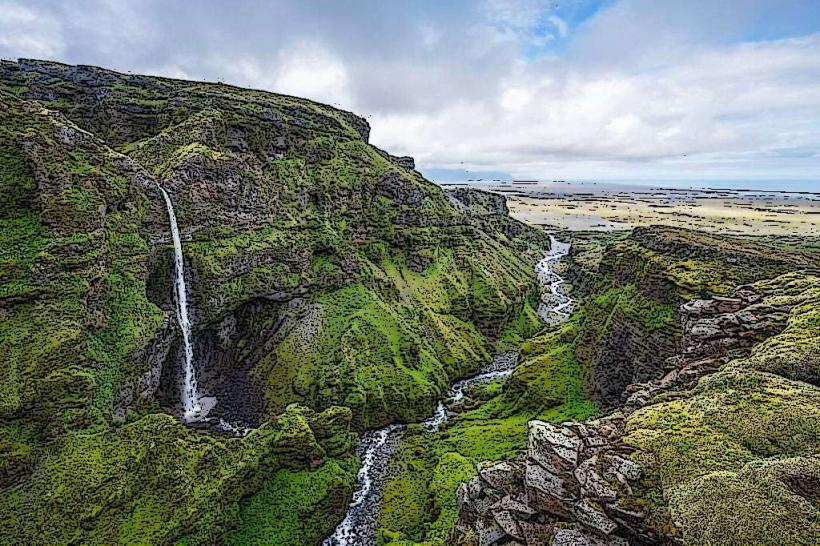
The Westfjords (Vestfirðir) serves as Iceland's most remote and geologically oldest region. It functions as a massive, claw-shaped peninsula characterized by high table mountains, deep narrow fjords, and a total lack of the volcanic activity found elsewhere in the country, as the region is tectonically extinct.
Historical Timeline
Formed by volcanic eruptions 14–16 million years ago, the region has been sculpted by heavy glaciation. Historically, it was a center for the Icelandic herring boom and remains the site of some of the country’s most resilient fishing communities. The primary event shaping its modern status was the desertion of Hornstrandir in the 1950s, which transformed the northernmost tip into one of Europe’s last true wilderness areas.
Demographics & Population
The total regional population is approximately 7,100 (2026 estimate). Ísafjörður acts as the regional capital with roughly 2,700 residents. The demographic is characterized by a high degree of self-sufficiency; while youth migration to Reykjavík remains a factor, the establishment of the University Centre of the Westfjords has introduced a consistent international student population.
Urban Layout & Key Districts
The region is geographically fragmented, making "districts" defined by fjord systems.
The North: Centered on Ísafjörður, Bolungarvík, and Súðavík.
The South: Centered on Patreksfjörður, Tálknafjörður, and Bíldudalur.
Strandir: The isolated eastern coast, centered on Hólmavík and Drangsnes.
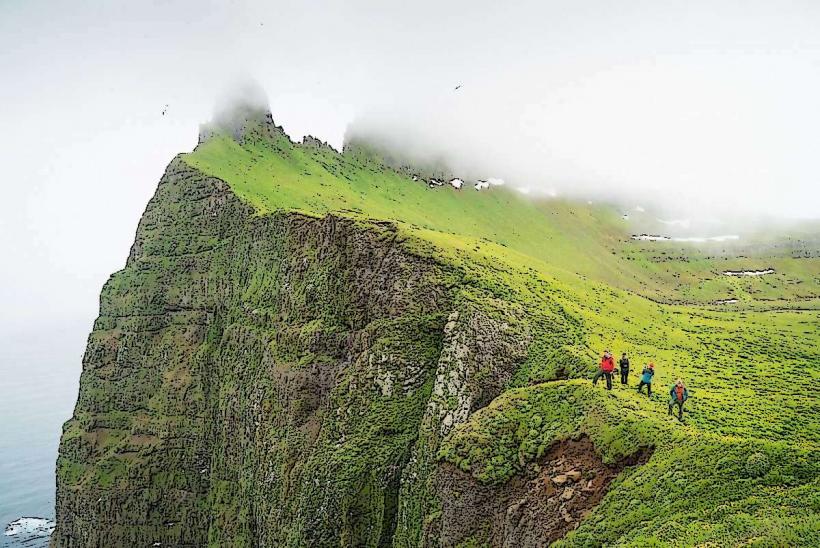
Hornstrandir: A completely uninhabited nature reserve accessible only by boat.
Top Landmarks
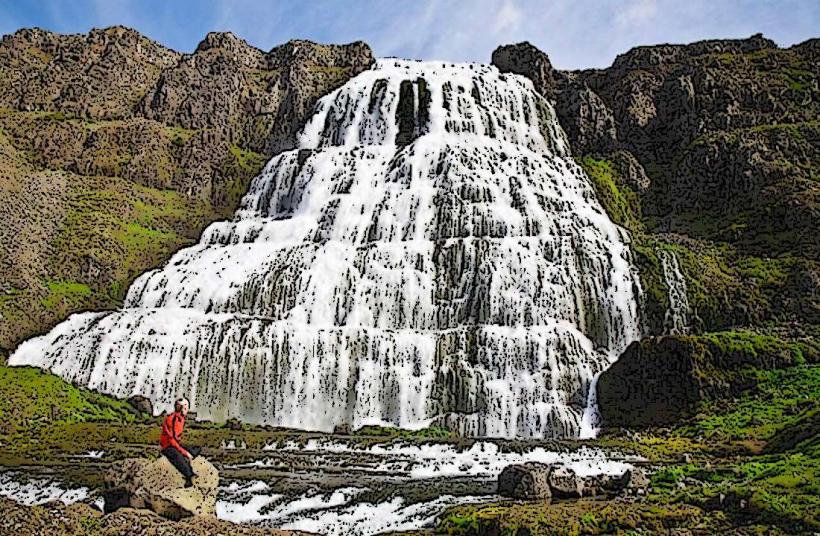
Dynjandi: A 100-meter tiered waterfall, often called the "Jewel of the Westfjords."
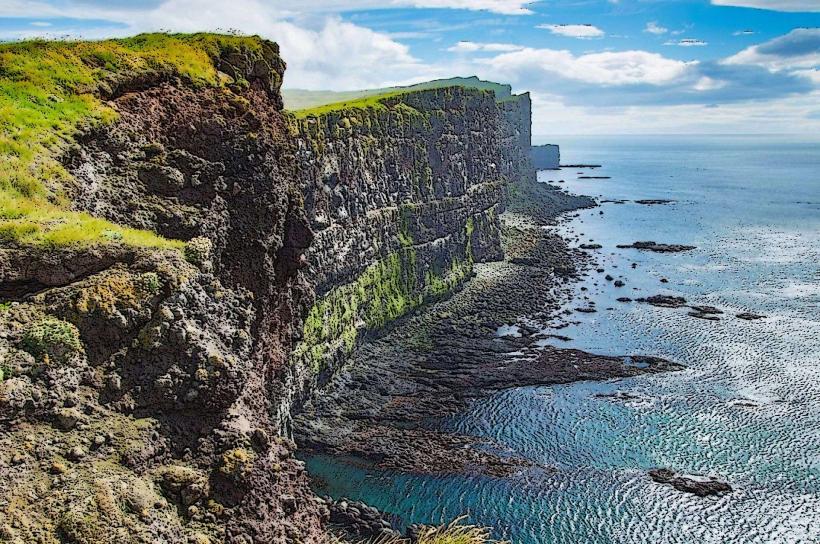
Látrabjarg: Europe’s largest bird cliffs and the westernmost point of Iceland.
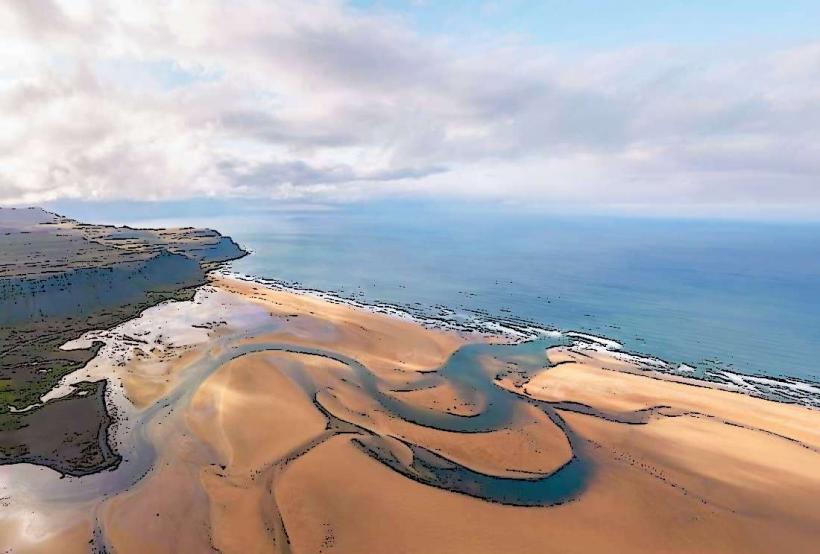
Rauðasandur: A rare 10km stretch of red and golden sand beach.
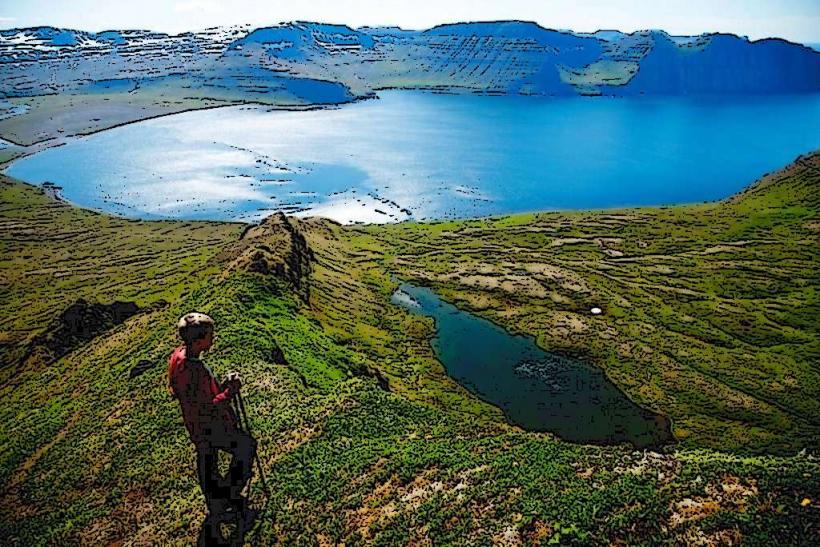
Hornstrandir Nature Reserve: Remote hiking territory and habitat for the Arctic Fox.
Museum of Icelandic Sorcery & Witchcraft: Located in Hólmavík.
Transportation Network
Movement is notoriously difficult. The Westfjords Way (Vestfjarðaleiðin) is the primary touring route. There is no rail transit. Public transport is minimal, with buses connecting Ísafjörður to surrounding villages only. Air travel is critical, serviced by Ísafjörður (IFJ) and Bíldudalur (BIU) airports. The Vestfjarðagöng (a unique three-way tunnel) is a vital link in the north. The Baldur Ferry connects Brjánslækur in the south to Stykkishólmur.
Safety & "Red Zones"
Safety is defined by extreme environmental risk.
Road Conditions: Many gravel roads (e.g., Route 622) are dangerous for standard cars.
Avalanche Zones: Towns like Flateyri and Súðavík have massive defense walls; follow all local warnings during heavy snowfall.
Látrabjarg Edges: The cliff soil is fragile; stay behind marked lines to avoid fatal falls.
Winter Isolation: Some roads are closed for months; never bypass "LOKAÐ" (Closed) signs.
Digital & Financial Infrastructure
Average internet speed is 50–100 Mbps in towns, but signal is frequently lost in the mountain passes and deep fjords. The region is cashless, but because of its remoteness, it is the one area in Iceland where carrying a backup physical card (not just Apple/Google Pay) is highly recommended. Fuel stations are sparse; never let your tank drop below 25%.
Climate & Air Quality
Temperatures range from -10°C in winter to 12°C in summer. The Westfjords receives significantly more snow than southern Iceland. Air quality is pristine.
Culture & Social Norms
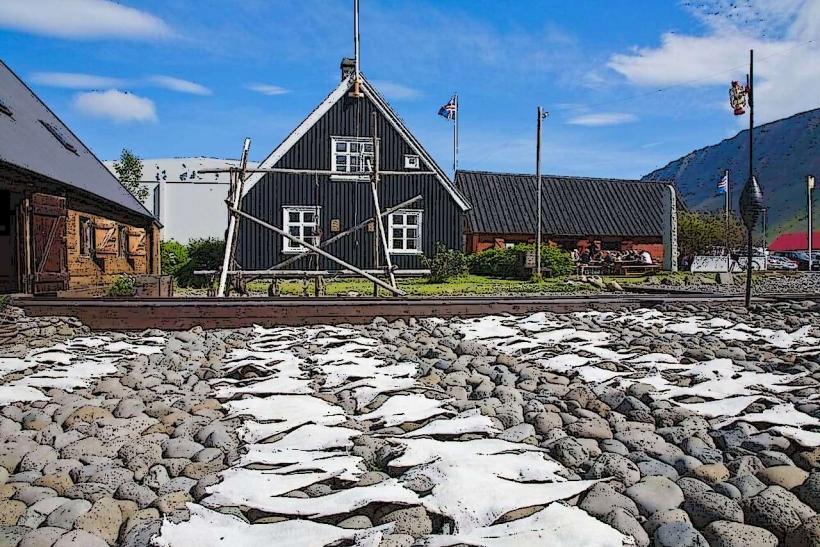
The culture is famously rugged and independent. Tipping is not expected. Social life revolves around natural hot pots (like Hellulaug or Drangsnes) and community festivals like Aldrei fór ég suður in Ísafjörður. Respect for private property is paramount, especially regarding abandoned farms in the fjords.
Accommodation Zones
Stay in Ísafjörður for the best dining (Tjöruhúsið) and logistics.
Stay in Patreksfjörður for proximity to Látrabjarg and Rauðasandur.
Stay in Hólmavík for a gateway to the mysterious Strandir coast.
Local Cost Index
1 Espresso: 650 – 900 ISK
1 Standard Lunch (Daily Catch): 3,000 – 4,500 ISK
1 Monthly Student Living Budget: 200,000 ISK
Nearby Day Trips
Vigur Island: 30-minute boat ride from Ísafjörður for birdwatching.
Bolafjall: Cliff-edge viewing platform above Bolungarvík.
Hesteyri: Abandoned village in Hornstrandir (1-hour boat ride).
Facts & Legends
The Westfjords is the only part of Iceland where the Arctic Fox is fully protected and highly visible. Local legend claims the region is the last stronghold of the "Hidden People" (Huldufólk), while a verified historical fact is that the last person in Iceland to be executed for witchcraft was from the Westfjords (1685).