Information
Landmark: Súðavík MuseumCity: Westfjords
Country: Iceland
Continent: Europe
Súðavík Museum, Westfjords, Iceland, Europe
Overview
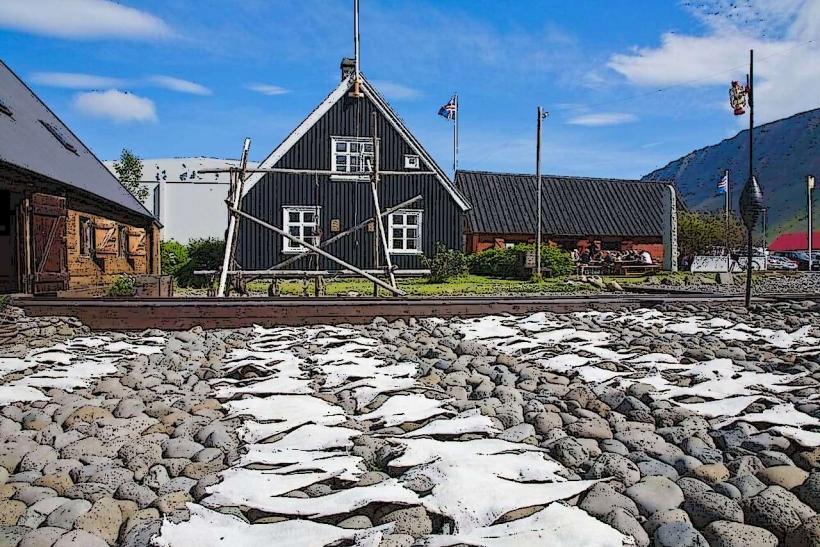
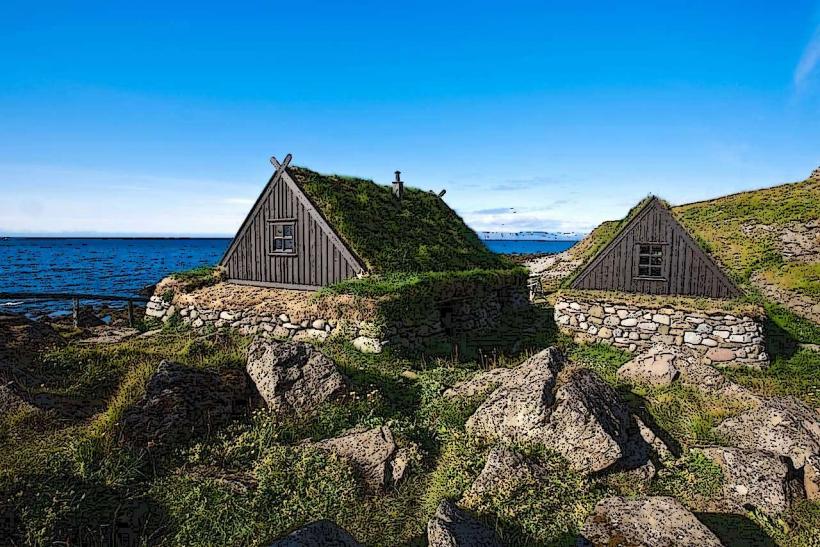
Interestingly, In the Westfjords village of Súðavík, the slight but captivating Súðavík Museum-locals call it the Arctic Fox Center-offers a close behold at Iceland’s elusive fox, with soft pelts and vivid photos filling its cozy rooms, to boot the museum celebrates the Arctic fox, native to Iceland, a compact white-furred hunter that’s shaped the region’s history and still plays a vital part in its fragile ecosystem.The museum offers a glimpse into life as it once was in the Westfjords, from turf-roofed houses to the rugged coastline that shaped its natural history, alternatively the museum sits in the petite village of Súðavík, tucked along the northern shore of the deep, blue Ísafjarðardjúp fjord.Curiously, Súðavík sits about fifteen minutes from Ísafjörður, the largest town in the Westfjords, and its modern museum building welcomes visitors with sparkling glass windows, as a result inside, carefully crafted exhibits draw you into the story of the Arctic fox-the soft rustle of its winter coat in photos almost audible-and explore the rich cultural history of the region.In a way, The museum’s heart lies with the Arctic fox, Iceland’s only native land mammal, in conjunction with the museum also explores the region’s wider natural history and the traditional way of life in the Westfjords, from wind-battered fishing huts to stories passed down by local families.At the museum, everything revolves around the Arctic fox-you’ll find detailed stories about the animal, its region in Iceland’s wild landscapes, and how its numbers have shifted over time in the wind-swept Westfjords, likewise at the museum, you can trace the Arctic fox’s biology, behavior, and icy Icelandic home, along with the challenges it faces in that unforgiving landscape.A glass case holds a lifelike taxidermy fox, its fur thick and pale, letting you study every whisker up close, furthermore you’ll also find aged hunting records and stories, revealing how the fox once shaped local livelihoods and traditions.Once hunted as a pest, the Arctic fox is now protected, and the museum champions its survival, even sharing a display of fresh snow-dusted tracks from ongoing research in Iceland, after that at the center, visitors discover how researchers track, study, and protect the Westfjords’ Arctic foxes-work that ranges from tagging animals on windy cliff edges to monitoring their survival in a shifting climate.The museum also champions the preservation of these foxes’ remote habitats, sharing fresh findings from ongoing conservation projects, simultaneously though the Arctic fox takes center stage, you’ll also find exhibits celebrating the rich biodiversity of the entire Westfjords, loosely It offers a sweeping examine at the region’s plants and animals-everything from seabirds wheeling overhead to seals stretched out on sun-warmed rocks, alongside the Arctic fox, subsequently the exhibits trace the Westfjords’ geography and natural history, showing how glaciers, steep cliffs, and deep fjords have shaped its wildlife and ecosystems.You’ll also catch a glimpse of the area’s past, from age-aged fishing boats to the weathered tools of traditional farms, in turn the exhibits explore how the local community depended on the land and sea for survival, from fishing icy waters to tracking the quick dart of an Arctic fox, kind of The museum’s interactive features-hands-on displays, short videos, and activities-draw visitors in, especially kids, making the learning feel alive, then hands-on features invite you to explore the Arctic fox’s life-from its snowy den to its role in the fragile northern ecosystem-while the museum offers rich programs for anyone curious about wildlife conservation and Iceland’s natural history.The museum offers a range of programs for schools, tourists, and locals-think workshops, lectures, and guided tours, besides in summer, you might join a hands-on session about Arctic fox conservation, snap wildlife photos under the shining midnight sun, or explore the region’s unique nature.It’s usually open June through September, with shorter hours once the busy season winds down, in conjunction with before you plan your trip, check the museum’s schedule-hours shift with the seasons.Admission is modest, and kids, students, and seniors get a discount, and most exhibits are in Icelandic and English, so travelers from abroad can follow along easily.You’ll find a tiny gift shop stocked with Arctic fox plush toys, books, and other themed keepsakes, in conjunction with just outside, the quiet streets of Súðavík Village offer the salty air and cozy charm typical of Iceland’s coastal towns.The fjord wraps around the area, offering chances to spot seabirds, cast a line from the rocky shore, or follow winding trails into the hills, at the same time just down the road, the Krossneslaug pool draws visitors for a soothing soak in its steaming scorching springs, where you can watch waves crash against the shore.A short drive from Súðavík takes you to Ísafjörður, the largest town in the Westfjords, home to the Ísafjörður Museum, scenic hiking trails, and dramatic mountain views, on top of that for anyone fascinated by wildlife, wild landscapes, or Iceland’s natural history, the Súðavík Museum is a must-view.Not surprisingly, By centering on the Arctic fox, it gives a rare glimpse of one of Iceland’s most elusive icons-white fur flashing against murky lava-while also opening a wider window onto the biodiversity and traditional life of the Westfjords, as well as whether you’re here to explore Iceland’s wildlife or you care deeply about protecting it, the museum invites you in with vivid displays-a puffin’s vivid beak, the hiss of wind over tundra-that bring the country’s natural beauty and its value to life., mildly
Author: Tourist Landmarks
Date: 2025-09-04