Information
Landmark: Aarhus UniversityCity: Aarhus
Country: Denmark
Continent: Europe
Aarhus University, Aarhus, Denmark, Europe
Aarhus University is a public research university situated in Aarhus, Denmark. Established in 1928, it is Denmark's second-oldest university.
Visual Characteristics
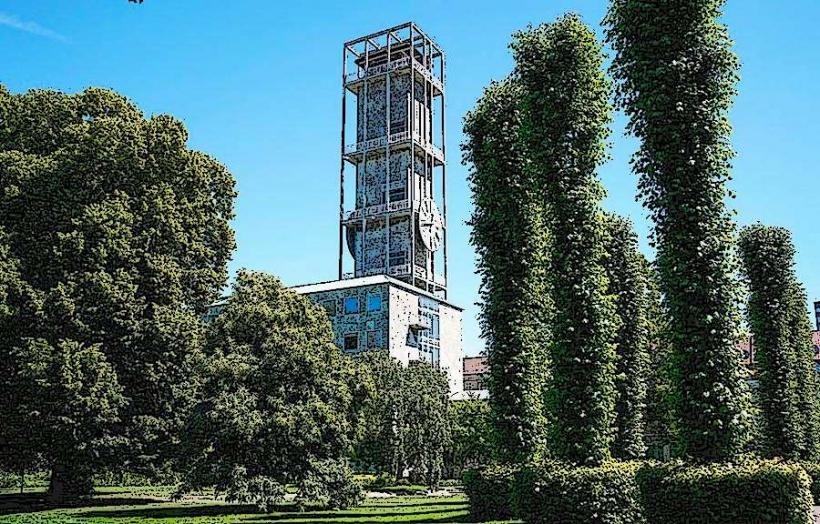
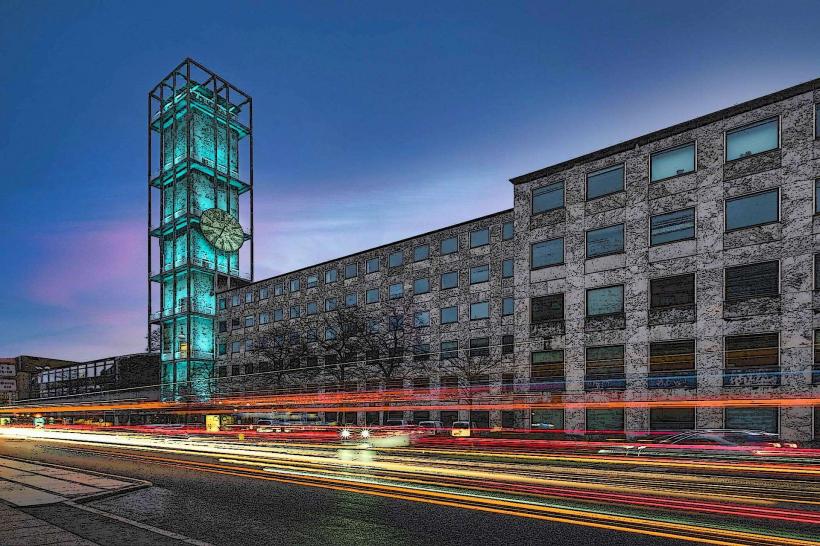
The campus is characterized by its consistent use of yellow brick facades and tiled roofs, designed in a functionalist architectural style. Buildings are integrated into a sloping park landscape featuring mature trees and a central lake. The main campus area covers approximately 26 hectares. Individual buildings vary in height, with most academic structures being 3-5 stories tall, while some residential or administrative buildings may reach up to 7 stories.
Location & Access Logistics
Aarhus University is located immediately north of Aarhus city center, approximately 1.5 kilometers from the main train station. The primary entrance is accessible via Nordre Ringgade. Public transport is extensive, with multiple city bus lines serving the campus, including lines 1A, 2A, 13, 16, and 18, which have stops directly on or adjacent to the university grounds. Limited paid parking is available in designated areas, such as the multi-story car park at Universitetsparken 1, but spaces are often occupied during peak hours. Cycling is a common mode of transport, with numerous bike racks provided.
Historical & Ecological Origin
Aarhus University was founded on September 11, 1928. The initial campus master plan and many of its iconic buildings were designed by architects Kay Fisker, C.F. Møller, and Poul Stegmann, with landscape architecture by C.Th. Sørensen. The original purpose was to establish a university in Jutland to complement the University of Copenhagen. The campus architecture received the Europa Nostra Award in 2006 for its preservation and integration into the landscape.
Key Highlights & Activities
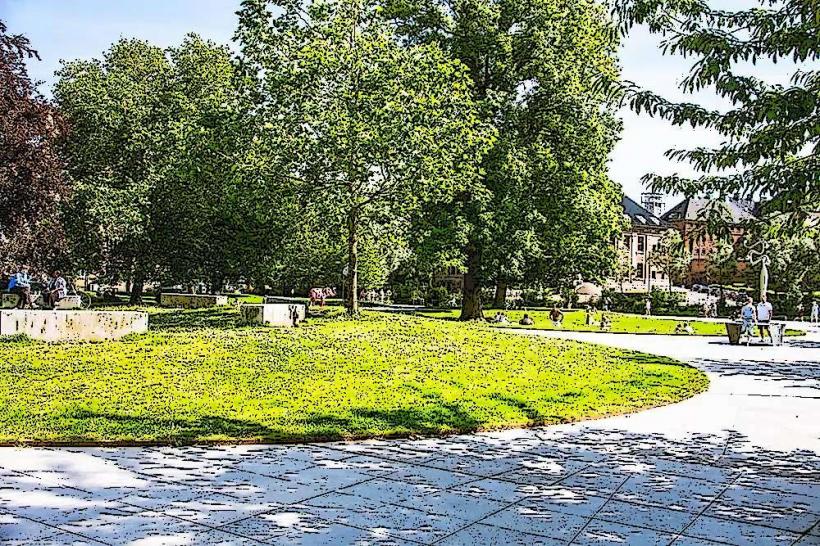
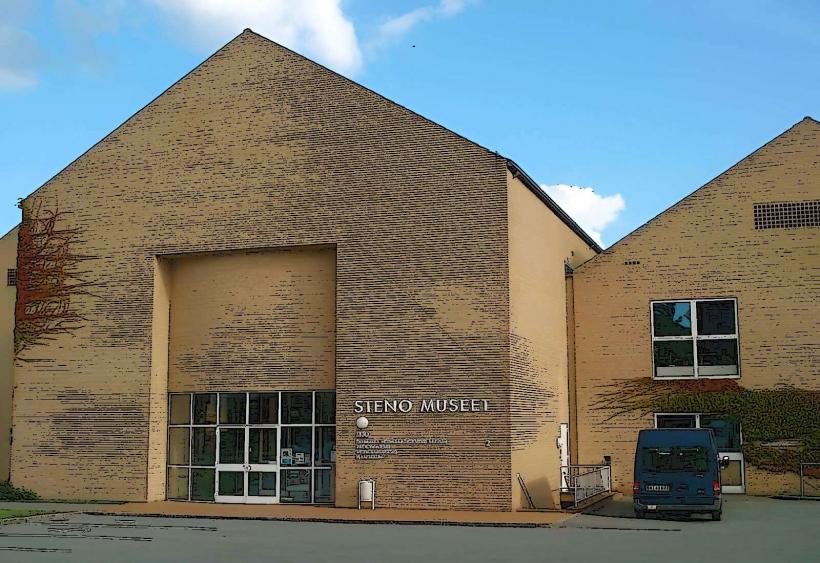
Visitors can walk through the University Park, which features the central lake and various sculptures. The Main Building (Hovedbygningen) is accessible during opening hours. The Steno Museum (Steno Museet), located within the park, offers exhibits on the history of science and medicine. The Natural History Museum Aarhus (Naturhistorisk Museum Aarhus) is also situated on campus. Public lectures and cultural events are occasionally open to non-students.
Infrastructure & Amenities
Public restrooms are available in most major academic buildings and museums during their operating hours. The campus offers extensive green spaces and shaded areas provided by trees. Cell phone signal (4G/5G) is generally strong across the entire campus. Several canteens and cafes, such as Stakladen and various faculty-specific cafeterias, provide food and beverages, typically operating during weekday business hours. Wi-Fi access is available for guests in some public areas.
Best Time to Visit
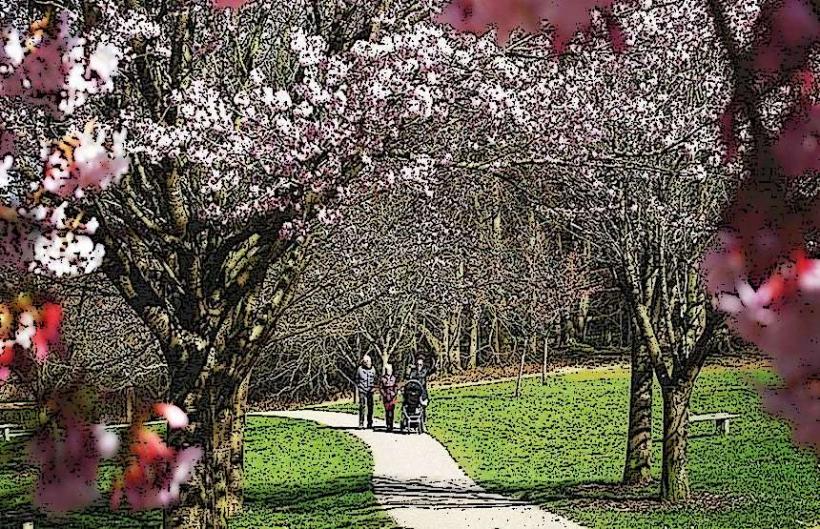
The campus park is most appealing during late spring (May-June) and summer (July-August) when the foliage is full and the weather is mild. For photography, early morning or late afternoon light provides softer illumination of the yellow brick facades. Weekends generally have fewer students, offering a quieter experience. Specific building interiors are best visited during weekday business hours.
Facts & Legends
The distinctive yellow brick used throughout the campus was chosen to reflect the local building traditions of Jutland. A persistent campus legend suggests that the architects initially intended for the bricks to be red, but a mix-up at the brickworks resulted in the now-iconic yellow hue, which was then embraced as the university's signature color.
Nearby Landmarks
- Aarhus Botanical Garden: 0.2km West
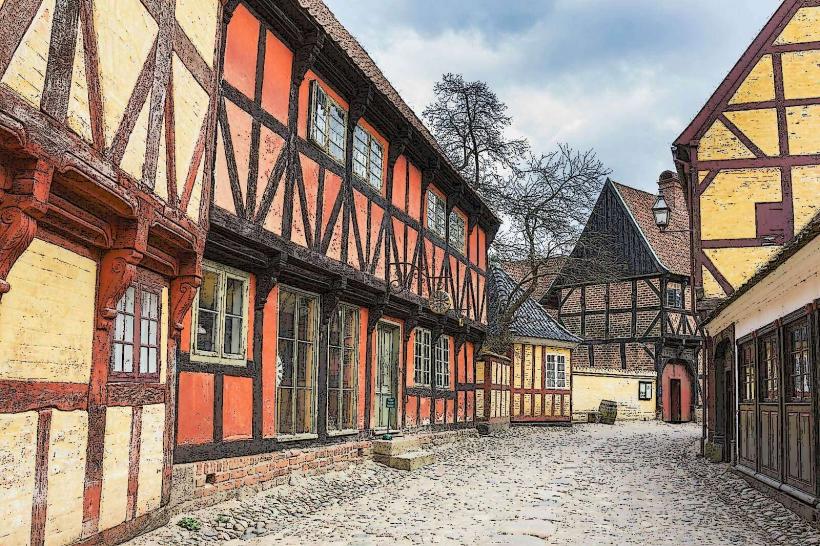
- Den Gamle By (The Old Town): 0.5km Southwest
- Natural History Museum Aarhus: 0.1km North (within campus)
- Steno Museum: 0.3km East (within campus)
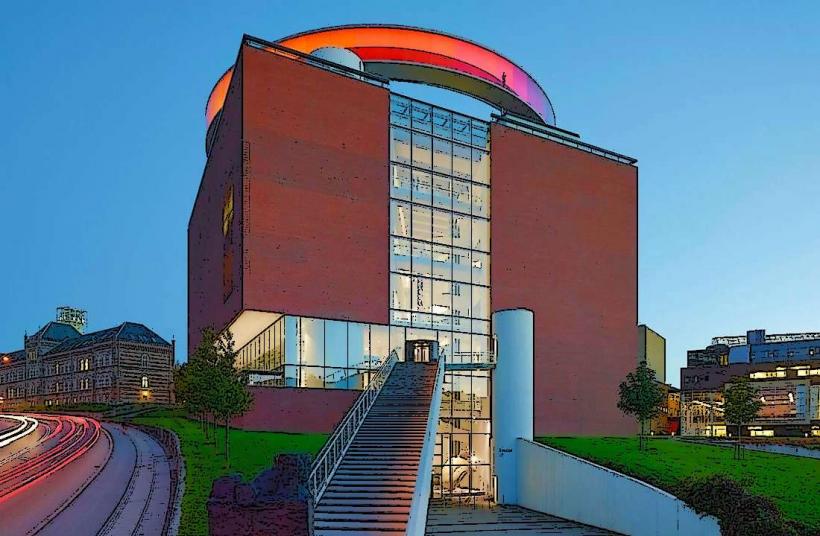
- ARoS Aarhus Art Museum: 1.5km South