Information
Landmark: Marselisborg Memorial ParkCity: Aarhus
Country: Denmark
Continent: Europe
Marselisborg Memorial Park, Aarhus, Denmark, Europe
Marselisborg Memorial Park is a national commemorative site located in the southern part of Aarhus, Denmark. It serves as a memorial for Danish soldiers who died during World War I.
Visual Characteristics
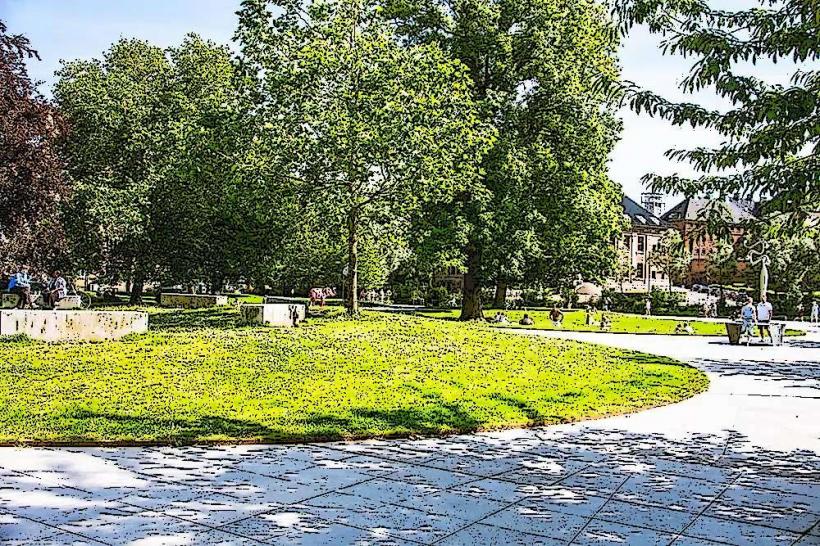
The park features a central circular common grave, approximately 20 meters in diameter, enclosed by a low stone wall. Behind this, a larger, curved memorial wall, constructed from light-colored stone, bears the engraved names of 4,140 fallen Danish soldiers. The central area includes a bronze sculpture by Einar Utzon-Frank, depicting a grieving mother and her two children. The surrounding parkland is characterized by manicured lawns, mature trees, and paved pathways, maintaining a solemn and reflective atmosphere.
Location & Access Logistics
Marselisborg Memorial Park is situated approximately 3.5 kilometers south of Aarhus city center. It is accessible via Ørneredevej, which connects to Marselisborg Allé. Limited free parking spaces are available along Ørneredevej near the park entrance. Public transport options include bus lines 16 and 100, with stops located within 500 meters of the park, providing connections to Aarhus Hovedbanegård (Central Station).
Historical & Ecological Origin
The park was established in 1925, with the memorial designed by architect Axel Høeg-Hansen and the landscape by architect Anton Rosen. Its original purpose was to honor Danish soldiers from Southern Jutland who were conscripted into the German army and died during World War I. The memorial specifically acknowledges their sacrifice despite fighting under a foreign flag, reflecting the complex historical context of the region.
Key Highlights & Activities
Visitors can walk along the curved memorial wall to locate and read the names of the fallen soldiers. The central sculpture provides a focal point for quiet contemplation. The park's pathways offer routes for reflective strolls through the landscaped grounds. Annual commemorative ceremonies are held, typically on the first Sunday of September.
Infrastructure & Amenities
Public restrooms are available near the main entrance of the park. The park offers a mix of open, sun-exposed areas and shaded sections provided by mature trees. Cell phone signal (4G/5G) is generally strong throughout the park. There are no permanent food vendors or cafes located within the immediate park boundaries; the nearest dining options are approximately 1 kilometer away.
Best Time to Visit
The park is accessible year-round. Morning hours, particularly between 9:00 and 11:00, offer softer light for photography of the memorial wall and sculpture. The months of May through September provide the most favorable weather conditions for outdoor visits, with average temperatures ranging from 15°C to 22°C and minimal precipitation.
Facts & Legends
The memorial is unique in Denmark for commemorating soldiers who fought for an opposing nation, highlighting the historical complexities of the Danish-German border region. Many of the commemorated soldiers were ethnic Danes from Southern Jutland, which was part of Germany from 1864 to 1920. A specific tip for visitors is to observe the subtle variations in the engraved names, which sometimes include hometowns, offering a deeper connection to the individuals.
Nearby Landmarks
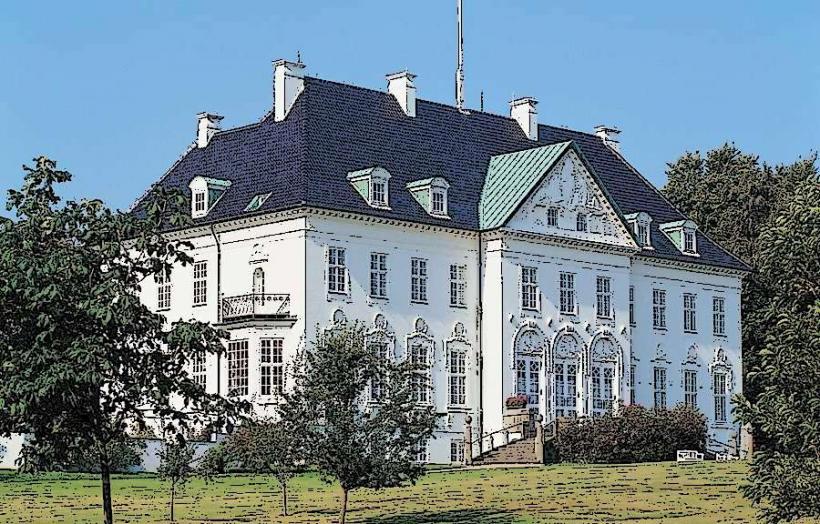
- Marselisborg Palace: 0.5km North-West
- Mindeparken (The Memorial Park): Immediately adjacent, surrounding the memorial site
- Tivoli Friheden: 1.5km North-East
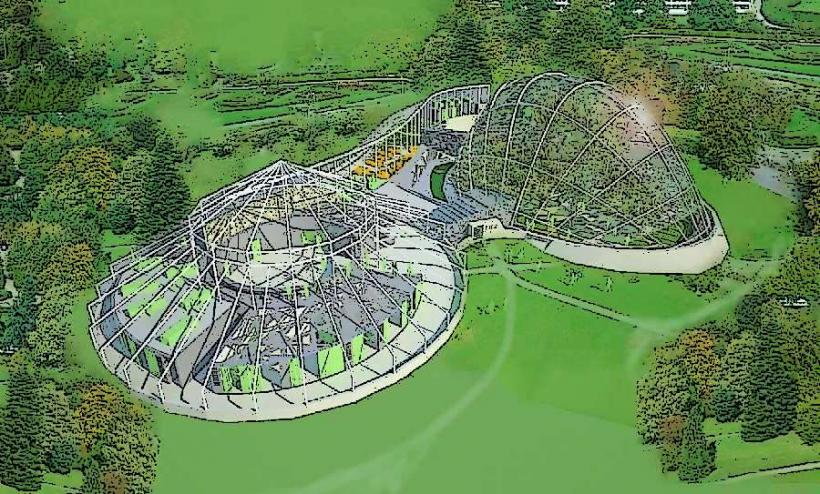
- Aarhus Botanical Garden: 3.5km North
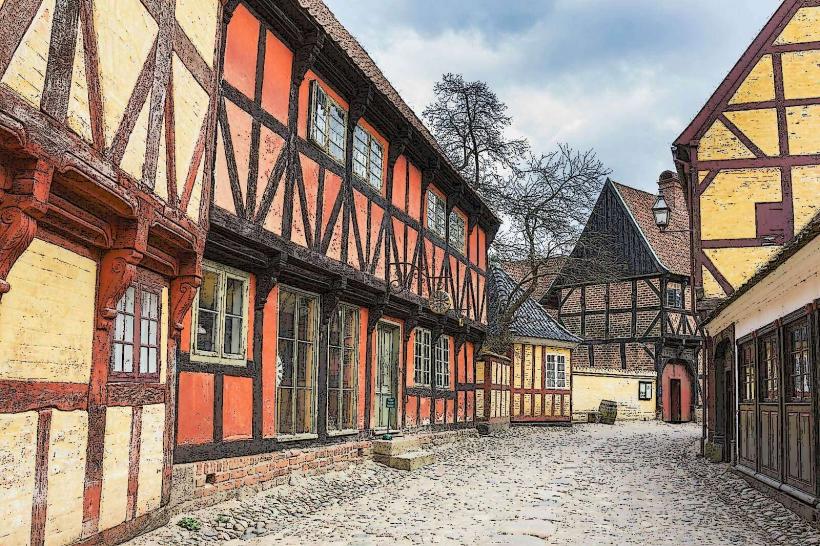
- Den Gamle By (The Old Town Open-Air Museum): 3.5km North