Information
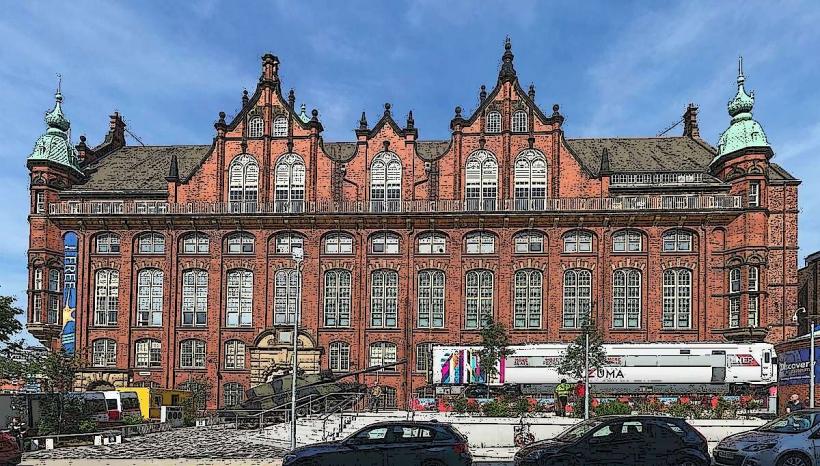
Landmark: Anna Miller MuseumCity: Newcastle
Country: USA Wyoming
Continent: North America
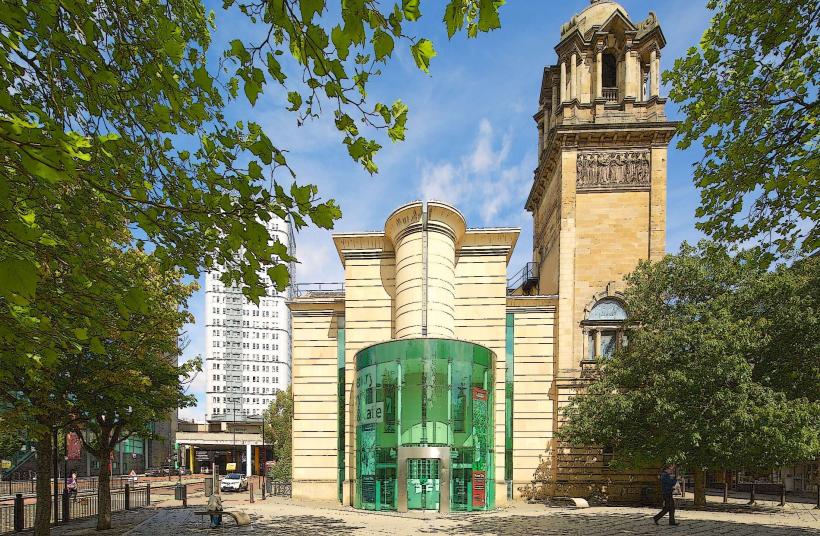
Anna Miller Museum, Newcastle, USA Wyoming, North America
The Makgadikgadi Salt Pans are a vast, ancient salt pan system located in Botswana, east of the Okavango Delta.
Visual Characteristics
The pans consist of a large, flat expanse of salt crust, often appearing white or pale grey. During the dry season, the surface is cracked and dry. Following rains, shallow water can cover sections, creating a reflective surface. Vegetation is sparse, primarily consisting of hardy grasses and acacia trees around the pan edges.
Location & Access Logistics
The Makgadikgadi Salt Pans are accessible from Maun, Botswana. The primary access route is via the A3 highway heading east. From the junction near Rakops, unpaved tracks lead into the pans. Travel requires a 4x4 vehicle due to sandy and potentially muddy conditions. Distances from Maun to the main pan areas can exceed 100km. Designated campsites are available, but no formal parking facilities exist within the pans themselves. No public transport services operate directly to the pans.
Historical & Ecological Origin
The Makgadikgadi pans are the remnants of a massive prehistoric lake, Lake Makgadikgadi, which covered an area of approximately 80,000 square kilometers. This lake existed for millions of years before drying up due to tectonic activity and climate change. The current pans are a result of ongoing evaporation and salt deposition.
Key Highlights & Activities
Activities include quad biking across the dry pans (seasonal and with local guides), stargazing due to minimal light pollution, and observing wildlife that congregates around water sources during the wet season. Guided 4x4 excursions are available from Maun and surrounding lodges.
Infrastructure & Amenities
Within the immediate vicinity of the pans, infrastructure is minimal. Basic campsites may offer pit toilets. Cell phone signal is generally absent. Food and supplies must be carried in. Lodges located on the periphery of the pans offer more comprehensive amenities.
Best Time to Visit
The dry season, from May to October, offers the most accessible conditions for vehicle travel across the pans. The wet season, from November to April, can transform sections into shallow lakes, ideal for birdwatching and creating reflective photographic opportunities, but can make travel difficult. Sunrise and sunset provide optimal lighting for photography due to low-angle sunlight.
Facts & Legends
The pans are home to the second-largest zebra migration in Africa, which occurs annually following the rains. A unique geological feature is the presence of fossilized ancient shorelines visible on the pan edges.
Nearby Landmarks
- Nxai Pan National Park (25km Northeast)
- Central Kalahari Game Reserve (150km Southwest)
- Okavango Delta (70km West)
- Moremi Game Reserve (100km Northwest)