service

Antandroy Village | Mananjary


Information

Landmark: Antandroy Village
City: Mananjary
Country: Madagascar
Continent: Africa

Antandroy Village, Mananjary, Madagascar, Africa

Overview

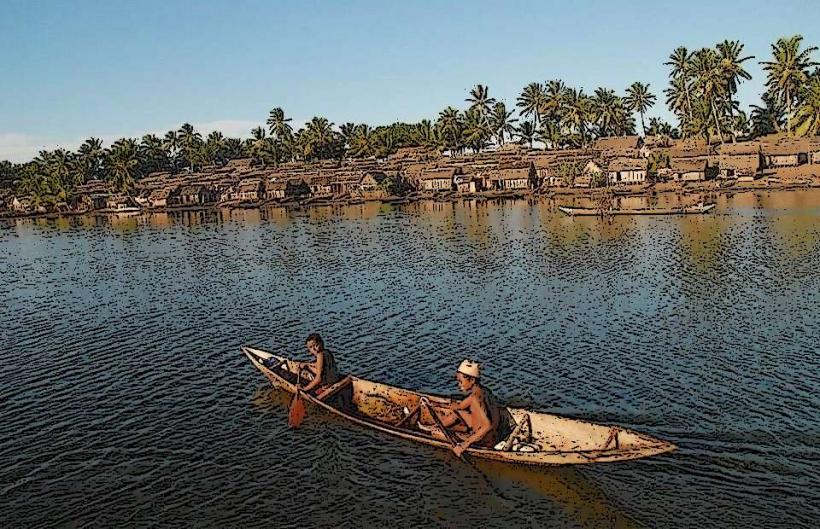
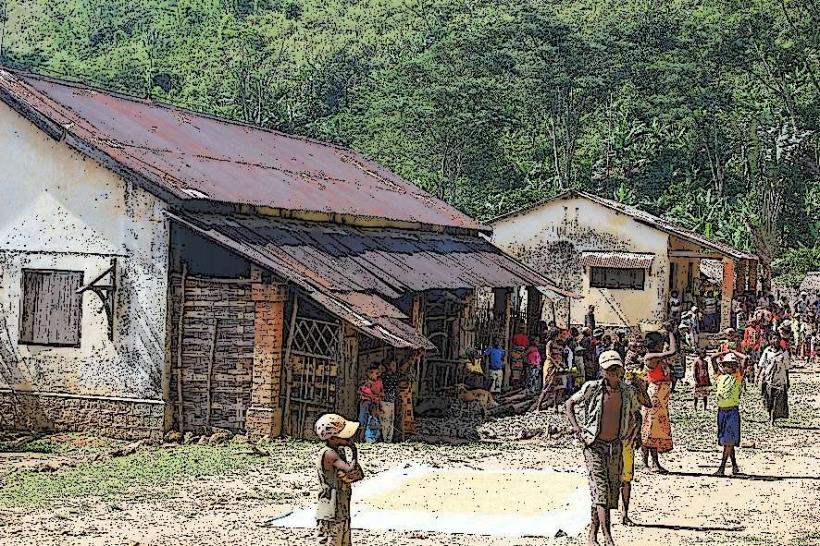
Antandroy Village is home to the Antandroy people, one of Madagascar’s many ethnic groups, who live mainly in the island’s dry, windswept south, in addition the Antandroy people carry rich traditions and distinctive customs, shaping a way of life hardened by the dry winds and relentless sun of southern Madagascar, fairly Antandroy villages lie in the far south of Madagascar, in the Androy region, with the Indian Ocean on one side and the Toliara region on the other, not only that the people make their homes in dry, semi-arid lands where spiny forests and thorny bushes stretch under a hard, pale sky, and rain is rare.Funny enough, This region stays fiery and dry, its parched air a result of the rain shadow cast by the central highlands, which keep the southern lands thirsty for rain, to boot the Antandroy trace their roots to ancient migrations from Madagascar’s central highlands and nearby areas, carrying their history in stories passed down for generations.It seems, The name Antandroy is thought to mean “people of the thorny forest,” a nod to how they’ve learned to survive in the dry, unforgiving land where spiny trees scratch at the wind, therefore they’ve long herded livestock, yet they also work the soil, planting cassava, maize, and sweet potatoes.The Antandroy are known for herding zebu-sleek, humped cattle that wander the dry plains-a practice at the heart of their economy and way of life, what’s more just as central is their profound faith in ancestral worship and honoring the spirits of those who came before.Ancestors hold a central destination in their culture, honored through rituals and minute offerings-like bowls of rice or fresh milk-to keep spiritual balance and safeguard the community’s prosperity, meanwhile antandroy villages usually consist of tight-knit family groups who tend livestock, farm the land, and keep traditional crafts alive.Among the Antandroy, life centers on tight family bonds, where elders-honored as keepers of stories, customs, and faith-hold a destination of deep respect, besides villages hum with shared work, from stacking sunbaked bricks for novel homes to tending cattle and gathering for sacred rites.Although certain people hold formal leadership roles, family life stays mostly egalitarian, with everyone’s voice carrying weight around the hearth, as a result the Antandroy speak their own dialect of Malagasy, a branch of the wider Austronesian language family.Malagasy is the national language of Madagascar, but each ethnic group speaks its own variation, with unique words, accents, and expressions, besides in Antandroy villages, elders still share knowledge through storytelling by the fire, weaving proverbs and songs into the heart of their culture, almost These traditions play a key role in passing down the Antandroy’s history, beliefs, and customs to their children, as a result for generations, they’ve herded zebu cattle-sleek, humped animals that not only put food on the table but signal status and keep the local economy alive.People raise zebu for milk, meat, and to play a role in sacred rites, their horns sometimes glinting in the sun during a ceremony, meanwhile farming matters just as much, with villages planting hardy crops like cassava and sweet potatoes that survive the long, dusty stretches without rain.The Antandroy gather forest goods-sweet wild fruits, sturdy timber-that help sustain their daily needs, and their skillful craftsmanship also plays a vital role in the local economy, to boot the Antandroy are talented artisans who craft woven baskets, glowing clothing, and intricate jewelry from local materials like palm fibers and beads.Spirituality runs deep in their daily lives, shaping traditions and beliefs, likewise they honor their ancestors through rituals where deep respect comes first-like lighting incense and bowing before a family shrine.They offer sacrifices to spirits, often during rituals or on days honoring the dead, the scent of burning herbs curling into the air, then the Antandroy trust their ancestors to shape daily life and guard the community’s well-being, a little Animist beliefs still run deep, with certain trees, hills, or carved stones held as sacred, not only that the Antandroy’s traditional homes are plain but practical, built to fit the rhythm of village life.They usually build thatched-roof huts from whatever’s on hand-branches, grass, even cool mud scooped straight from the riverbank, while these homes keep out the harsh sun and the sudden bursts of rain.In the village, houses often cluster loosely around an open space where people gather for meetings, festivals, or a drumbeat ritual after dusk, subsequently in bigger villages, you’ll often find a bustling market where people swap goats, baskets of grain, or hand-carved tools.From what I can see, Yet Antandroy communities still struggle with food shortages, a harsh dry season, and soil that yields little, equally important in the region, scarce water turns a clear glass into a rare comfort, and clean drinking water is hard to come by.Somehow, Schools and clinics are few and far between, leaving young people with little chance to build a better future, also much of the infrastructure is still lacking, and the rutted, mud-slick roads can make trips to and from Antandroy villages deliberate and exhausting, especially when heavy rains turn them to sludge, roughly Looking ahead, sustainable development could target better water management, stronger agriculture, and improved schooling so the Antandroy can flourish without losing their distinctive culture, equally important eco-tourism might open novel doors by showcasing their vibrant traditions and the stark beauty of their landscape, but it would have to be carefully managed to protect both heritage and environment.These villages remain a vital thread in Madagascar’s rich cultural tapestry, moreover even in a harsh, dry landscape, the Antandroy people have kept their vibrant cultural identity alive, holding quick to traditions shaped by their bond with the land and the memory of their ancestors.If they plan growth with care, these villages can keep thriving-goats still bleating in the square-while holding on to the traditions that make them who they are.
Author: Tourist Landmarks
Date: 2025-09-08


Location

Get Directions


Rate it

You can rate it if you like it


Share it

You can share it with your friends


Contact us

Inform us about text editing, incorrect photo or anything else

Contact us

Landmarks in Mananjary

Mananjary River
Landmark

Mananjary River

Mananjary | Madagascar
Mananjary Port
Landmark

Mananjary Port

Mananjary | Madagascar
Bay of Mananjary
Landmark

Bay of Mananjary

Mananjary | Madagascar
Andranovory Beach
Landmark

Andranovory Beach

Mananjary | Madagascar
Antemoro Village
Landmark

Antemoro Village

Mananjary | Madagascar
Sakamena Falls
Landmark

Sakamena Falls

Mananjary | Madagascar
Mananjary Beach
Landmark

Mananjary Beach

Mananjary | Madagascar


Latest Landmarks

Highlander Hot Stone Baths

Wangdue Phodrang | Bhutan

Border Immigration Office

Phuentsholing | Bhutan

Rangjung Monastery

Trashigang | Bhutan

Three Dikgosi Monument

Gaborone | Botswana

Trashi Yangtse

Trashigang | Bhutan

Tourist Landmarks ® All rights reserved