Information
Landmark: Arena di VeronaCity: Verona
Country: Italy
Continent: Europe
Arena di Verona, Verona, Italy, Europe
The Arena di Verona is a Roman amphitheater in Piazza Bra, Verona. Built in the 1st century AD, it is one of the best-preserved ancient structures of its kind and is internationally renowned as a premier venue for large-scale opera performances.
Visual Characteristics
The structure is composed of pink and white Valpolicella limestone. While most of its outer ring was destroyed by an 1117 earthquake, the surviving "ala" (wing) stands as a testament to its original three-tier height. The interior consists of a massive elliptical arena floor surrounded by 44 tiers of stone seating, capable of holding approximately 15,000–20,000 spectators.
Location & Access Logistics
Address: Piazza Bra, 1, 37121 Verona.
Public Transit: Accessible via bus from Verona Porta Nuova railway station (lines 11, 12, 13, 72, and 90). The historic center is a ZTL (Limited Traffic Zone).
Entry: Paid admission for daytime tours; separate tickets required for evening performances.
Logistics: The seating consists of original stone. Cushions are highly recommended and available for rent.
Historical & Engineering Origin
Constructed around 30 AD, it predates the Colosseum in Rome. It was originally used for ludi (gladiatorial games) and could be flooded for simulated naval battles (naumachia). In the Renaissance, efforts to restore the structure began, transitioning it into a space for tournaments and theatrical productions. The modern Opera Festival was inaugurated in 1913 to mark the centenary of Giuseppe Verdi's birth.
Key Highlights & Activities
Arena Opera Festival: Runs annually from June to September, featuring monumental productions of Aida, Carmen, and Turandot.
Natural Acoustics: The elliptical shape provides exceptional natural sound projection, requiring minimal electronic amplification.
Daytime Tours: Visitors can explore the internal galleries (vomitoria) and walk the upper stone tiers for views of Piazza Bra.
International Concerts: Beyond opera, it hosts global rock and pop artists and the final stage of the Giro d'Italia.
Infrastructure & Amenities
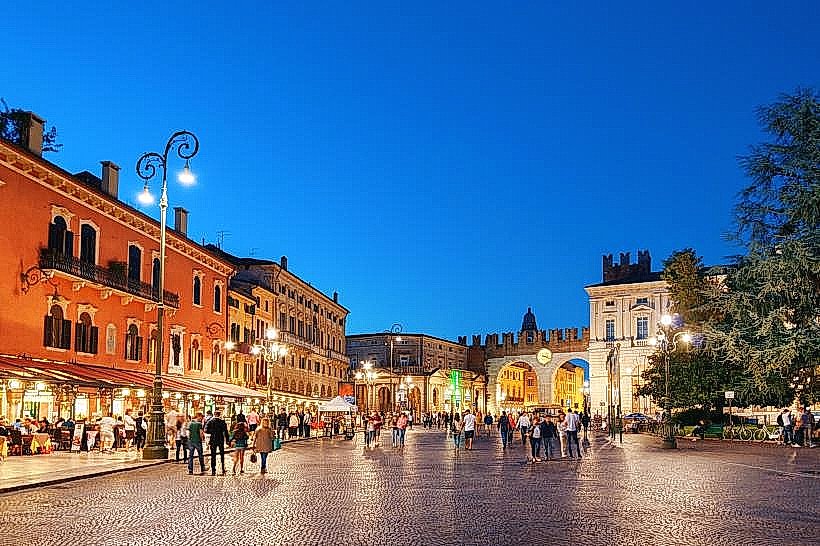
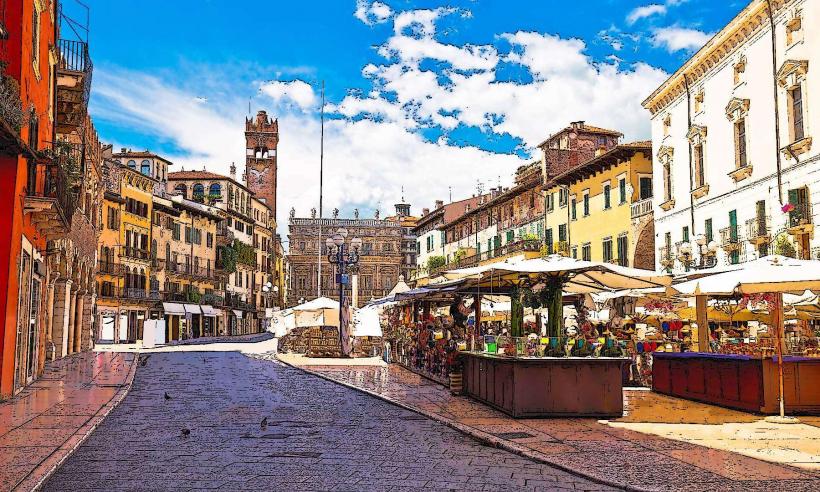
The surrounding Piazza Bra is saturated with restaurants and cafes. 4G/5G signals are stable. Inside, amenities are functional but limited due to the ancient nature of the site; portable restrooms and temporary bars are set up during performance nights.
Best Time to Visit
Performance Evenings (21:00): To experience the ritual of "candeline" (small candles lit by the audience before the show begins).
Morning (09:00): For daytime architectural tours to avoid the afternoon heat and performance setup activities.
Facts & Legends
The Arena is built with "Verona Marble," which gives it a distinct pink hue. Legend suggests that a Veronese architect, facing execution, made a deal with the Devil to build the Arena in a single night to save his life; the "incomplete" outer ring is said to be the result of the architect repenting and praying for the sun to rise early, leaving the Devil unable to finish the work.
Nearby Landmarks
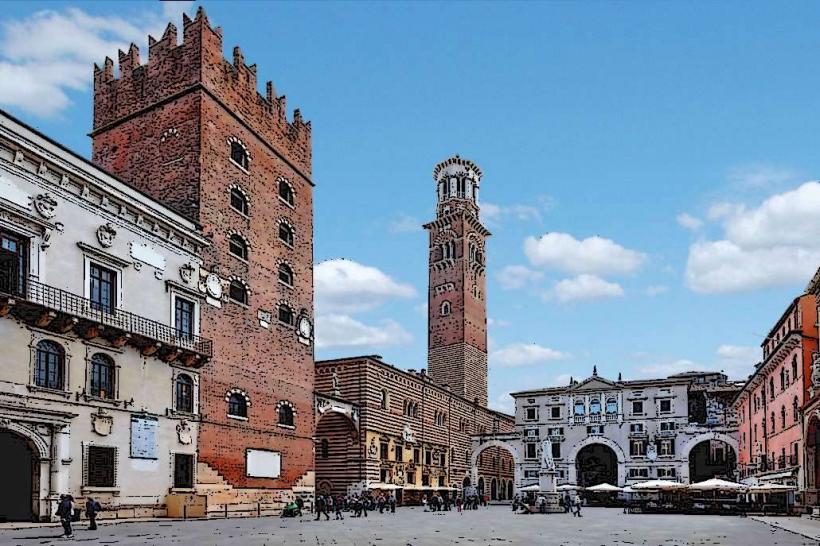
Piazza Bra: Directly surrounding the structure.
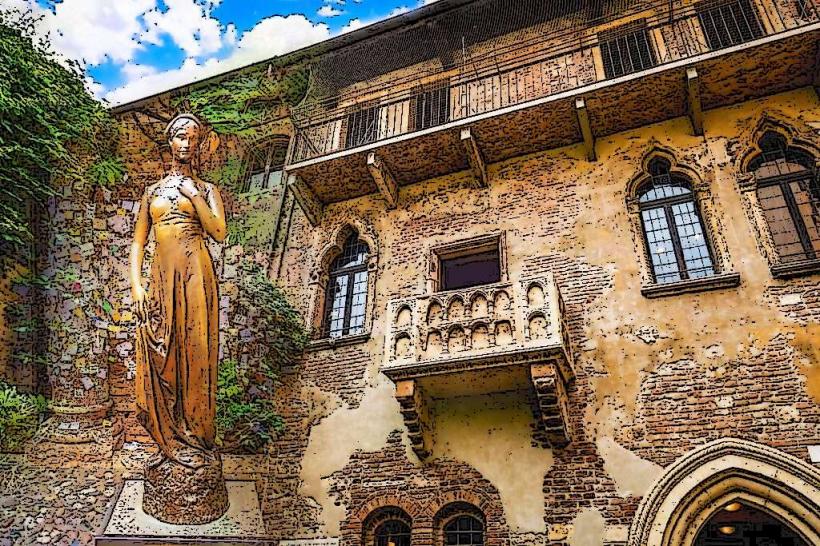
Juliet’s House (Casa di Giulietta): 0.5km Northeast.
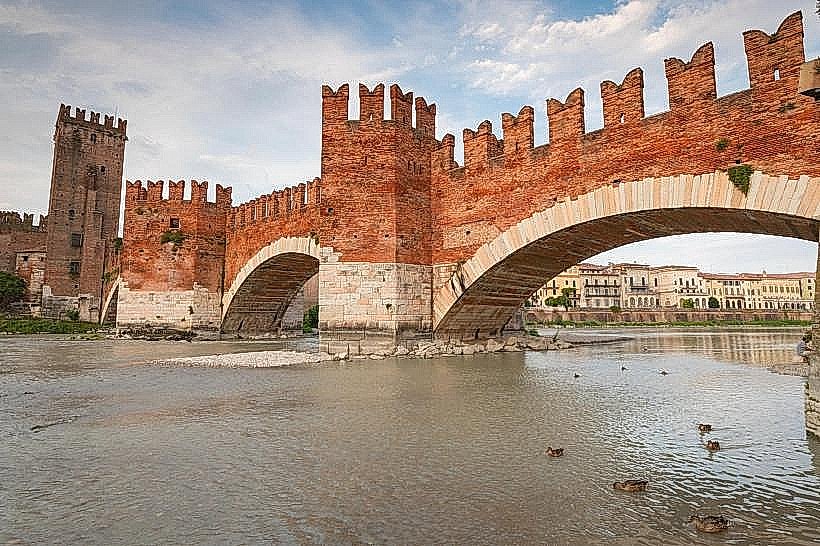
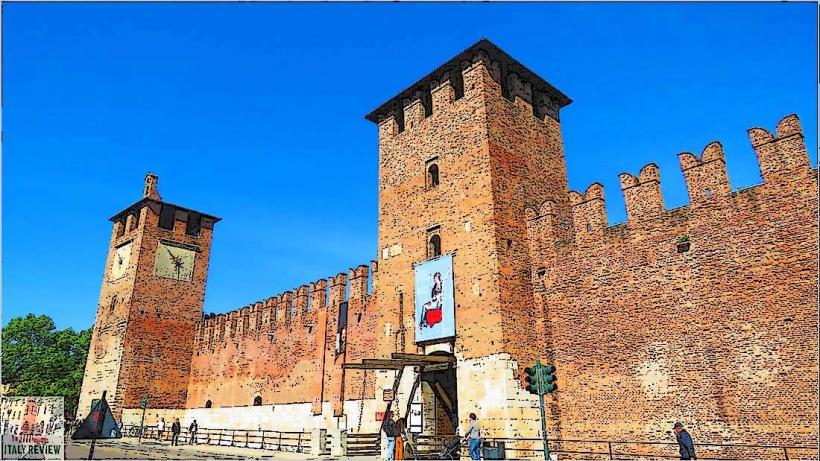
Castelvecchio Bridge: 0.6km West.
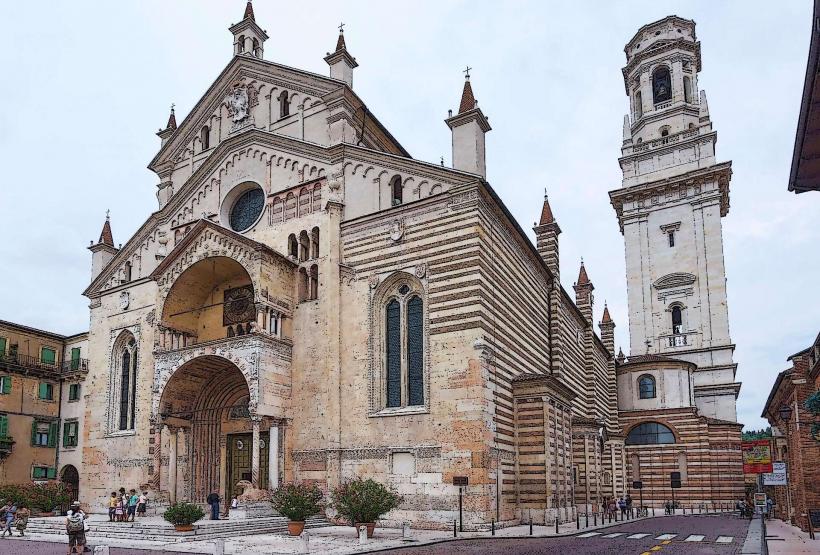
Verona Cathedral: 1.0km North.