Information
Landmark: Casa di GiuliettaCity: Verona
Country: Italy
Continent: Europe
Casa di Giulietta, Verona, Italy, Europe
Casa di Giulietta (Juliet's House) is a 13th-century Gothic palace in Verona, traditionally identified as the residence of the Capulet family from William Shakespeare's Romeo and Juliet.
Visual Characteristics
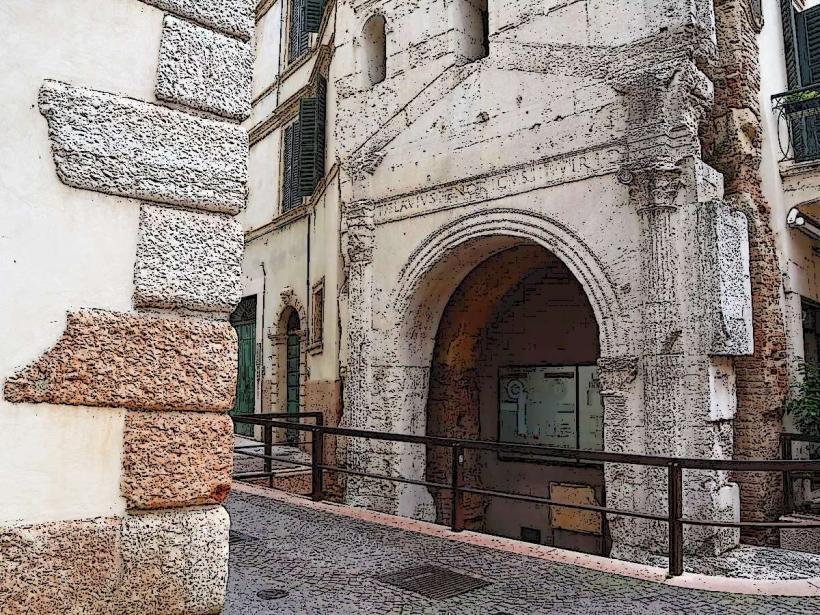
The site is defined by a narrow, brick-lined courtyard accessed via a vaulted tunnel. The walls of the tunnel are frequently covered in thousands of letters and notes attached by visitors. The dominant features are the stone balcony protruding from the second floor and a bronze statue of Juliet standing at the far end of the courtyard. The building itself is a well-preserved medieval structure featuring trifora windows and crenelated walls.
Location & Access Logistics
Address: Via Cappello, 23, 37121 Verona.
Public Transit: Located in the pedestrian city center. From Verona Porta Nuova station, take buses 11, 12, or 13 to the "Piazza Erbe" vicinity.
Entry: Access to the courtyard is free, but requires a pre-booked time slot during peak periods. Entry to the house/museum and access to the balcony requires a paid ticket (approx. €6).
Logistics: The courtyard is notoriously overcrowded. Security personnel manage the flow of people at the entrance.
Historical & Literary Origin
The house originally belonged to the Dal Cappello family (the resemblance to "Capulet" fueled the legend). While the characters of Romeo and Juliet are fictionalized, the rivalry between the Montecchi and Cappelletti families was a historical reality in 14th-century Verona. The famous balcony was actually added in the 1930s using a repurposed medieval sarcophagus to satisfy tourist expectations following the popularity of early film adaptations.
Key Highlights & Activities
The Balcony: Visitors with museum tickets can stand on the balcony for photographs.
Juliet's Statue: A common tradition involves touching the right breast of the bronze statue, which is said to bring luck in love. The original statue was moved inside the museum to prevent wear and was replaced by a replica in the courtyard.
The Museum: Displays 16th and 17th-century frescoes, period furniture, and the actual bed used in Franco Zeffirelli’s 1968 film Romeo and Juliet.
Juliet’s Secretary: A dedicated corner where visitors can write letters to Juliet; these are answered by volunteers of the "Club di Giulietta."
Infrastructure & Amenities
The immediate area is dense with souvenir shops and luxury boutiques. 4G/5G signals are strong. There are no public restrooms inside the courtyard; visitors must use facilities in nearby cafes or the Piazza Erbe.
Best Time to Visit
Early Morning (08:30): Before the arrival of large tour groups.
Weekdays: Tuesday through Thursday are significantly less crowded than weekends or Valentine’s Day.
Facts & Legends
A verified fact: The "Letters to Juliet" tradition inspired a global phenomenon, with thousands of physical letters arriving in Verona addressed simply to "Juliet, Verona." Legend suggests that those who write their names on the walls of the entrance will remain together forever, though local authorities now encourage the use of removable notes or digital messages to protect the historic masonry.
Nearby Landmarks
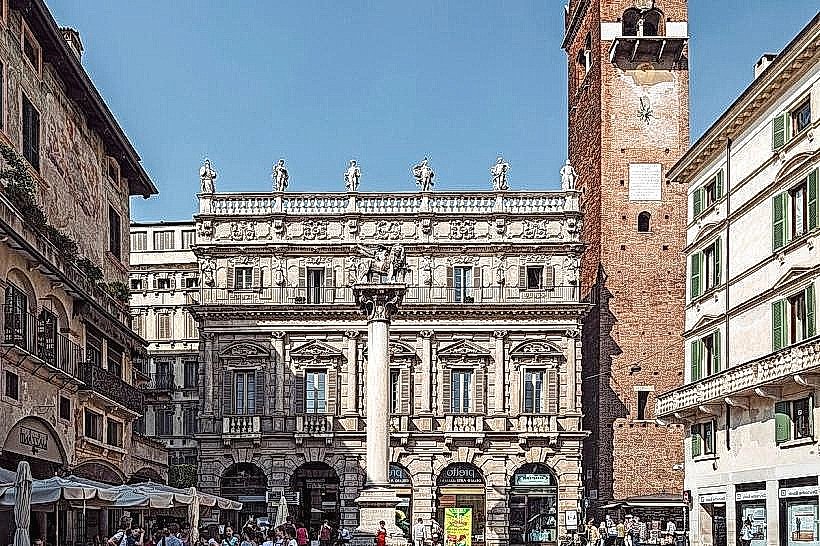
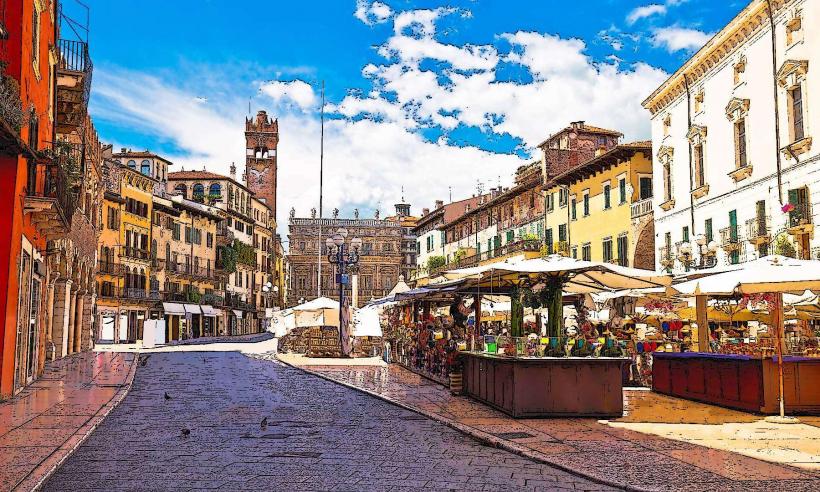
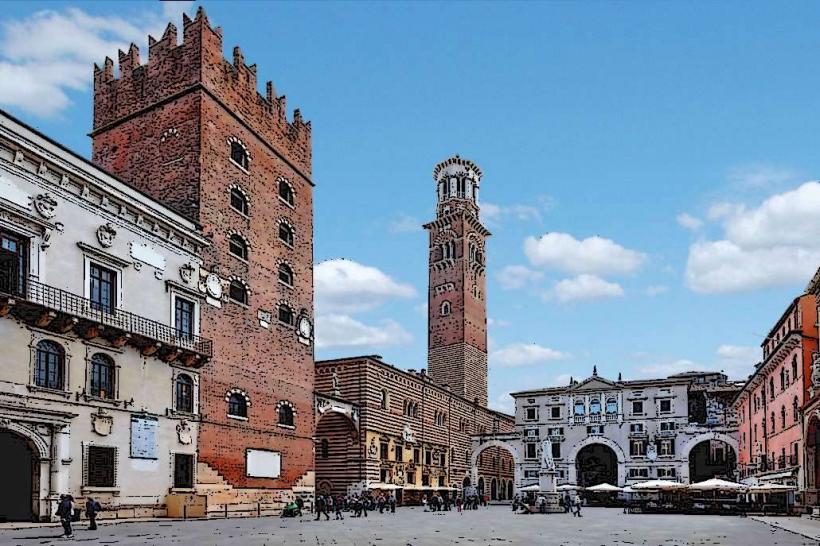
Piazza delle Erbe: 0.1km North (Verona’s oldest square).
Torre dei Lamberti: 0.15km North.
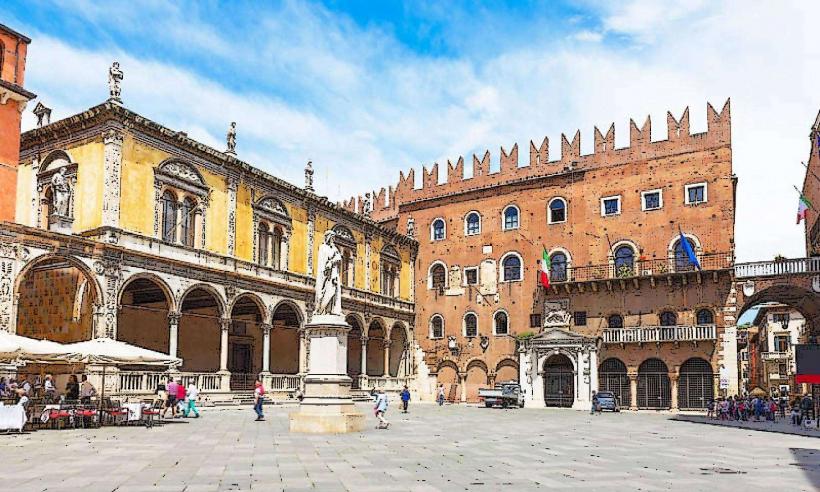
Piazza dei Signori: 0.2km North.
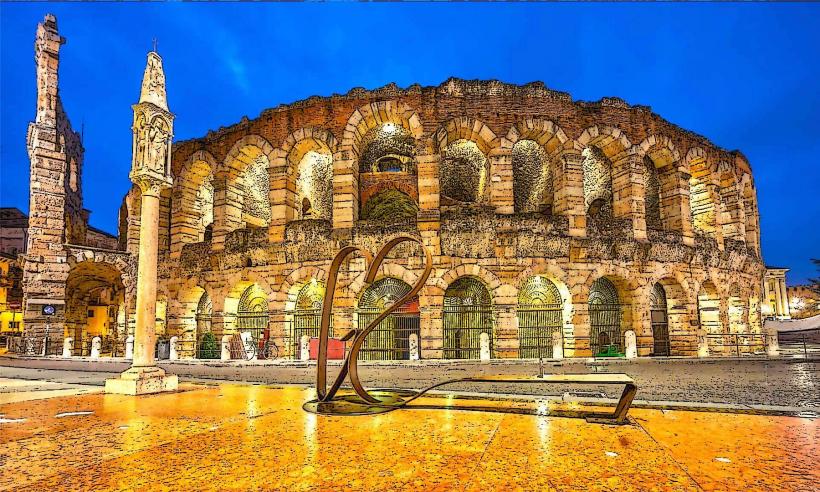
Arena di Verona: 0.5km Southwest.