Information
Landmark: Avery Point LighthouseCity: Groton
Country: USA Connecticut
Continent: North America
Avery Point Lighthouse, Groton, USA Connecticut, North America
The Avery Point Lighthouse, located on the University of Connecticut’s Avery Point campus in Groton, Connecticut, is a picturesque beacon overlooking Long Island Sound. Though one of the youngest lighthouses in New England, it carries cultural, educational, and symbolic value, serving both as a maritime landmark and as part of the region’s coastal heritage.
Historical Significance
The lighthouse was constructed in 1943, making it the last lighthouse built in the state of Connecticut. It was originally part of the Coast Guard Training School, which operated on the site before the campus was transferred to the University of Connecticut. Unlike many older lighthouses, Avery Point was not primarily a major navigational aid for shipping lanes but rather a training tool and local beacon, guiding smaller craft along the Groton shoreline.
Over time, the structure fell into disrepair but was saved through grassroots preservation efforts in the late 20th century. The Avery Point Lighthouse Society spearheaded its restoration, and by the early 2000s the lighthouse was fully refurbished, symbolizing the community’s commitment to preserving maritime landmarks.
Architectural Features
Design: Built in a classic New England style, the lighthouse is square in plan and rises from a granite base.
Height: About 41 feet tall, modest compared to major ocean lighthouses.
Material: Constructed from brick and concrete with decorative stonework.
Lantern Room: Features a small but distinctive lantern housing, restored to operational condition during renovations.
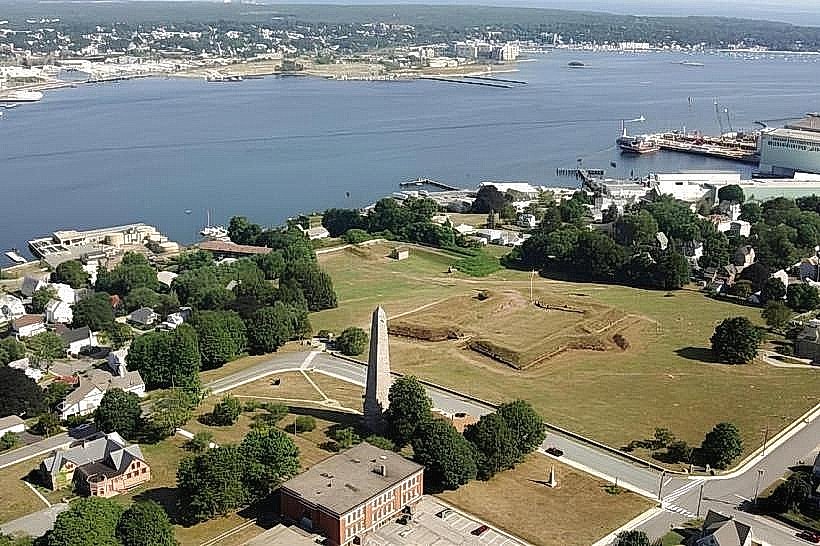
Setting: The lighthouse sits at the edge of the Avery Point campus, surrounded by landscaped grounds and offering panoramic views of Fishers Island Sound and Long Island Sound.
Visitor Experience
Scenic Setting: The lighthouse is a favorite spot for photography, picnicking, and quiet reflection, especially at sunset.
Walking Paths: Campus trails lead visitors along the waterfront, with interpretive signage explaining the lighthouse’s history.
Educational Context: Its location on a university campus connects maritime heritage with contemporary marine science and education.
Public Access: While the lighthouse itself is not generally open for climbing, its exterior and surrounding area are accessible year-round.
Cultural and Community Importance
Preservation Symbol: The successful grassroots effort to restore Avery Point Lighthouse is often cited as a model for community-led historic preservation.
Maritime Identity: It reinforces Groton’s long-standing connection to seafaring and navigation.
Educational Value: The lighthouse ties into the University of Connecticut’s marine studies programs and the broader narrative of New England’s coastal traditions.
Visiting Information
Location: Avery Point campus of the University of Connecticut, Groton, Connecticut
Admission: Free, as the lighthouse can be viewed from campus grounds
Facilities: Campus parking, walking paths, interpretive markers, and scenic open spaces
Best Time to Visit: Sunrise and sunset offer striking views of the Sound and the lighthouse against the horizon
Though modest in size and relatively young compared to other New England lighthouses, the Avery Point Lighthouse stands as a beloved symbol of local heritage. It reflects both the region’s maritime traditions and the power of community efforts to preserve coastal history for future generations.