Information
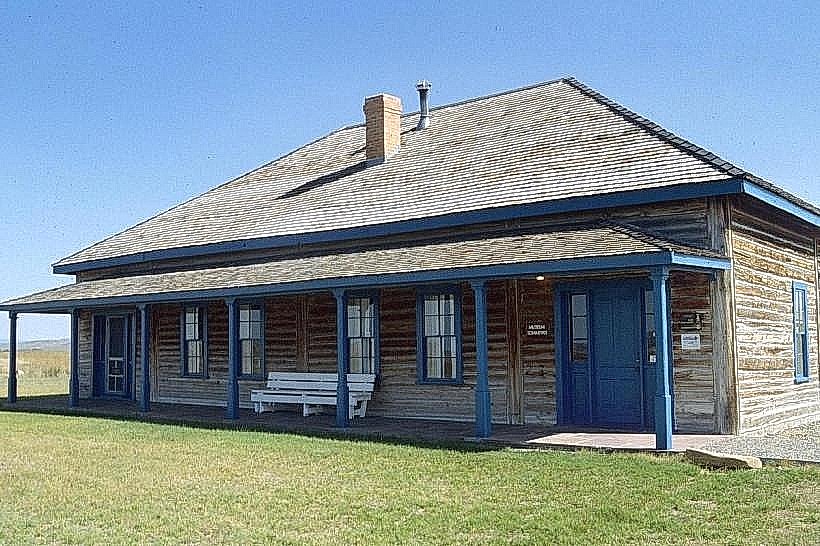
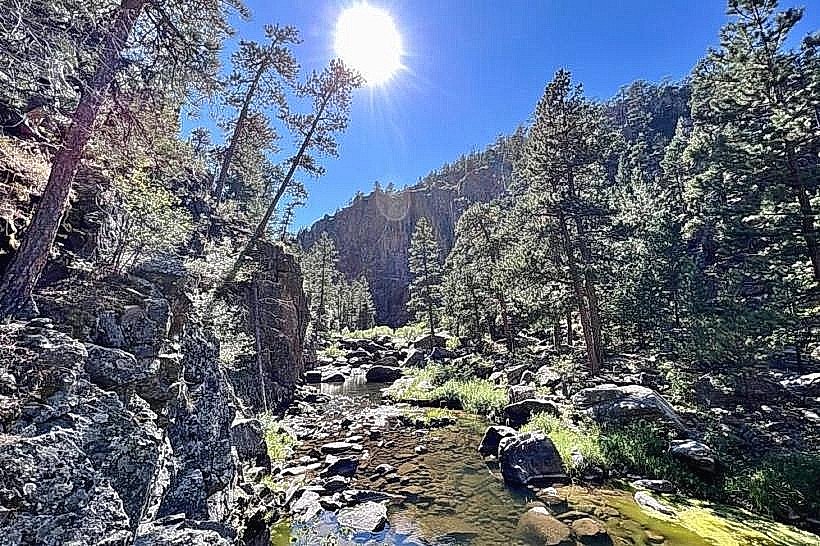
Landmark: Ayres Natural BridgeCity: Douglas
Country: USA Wyoming
Continent: North America
Ayres Natural Bridge, Douglas, USA Wyoming, North America
The Jwaneng Diamond Mine is an active diamond mine located in the town of Jwaneng, Botswana.
Visual Characteristics
The mine consists of an open-pit excavation, approximately 2.5 kilometers in diameter and over 300 meters deep. The exposed rock faces display stratified layers of kimberlite and surrounding host rock. Processing plants and associated infrastructure, including conveyor belts and sorting facilities, are situated adjacent to the pit.
Location & Access Logistics
Jwaneng is situated approximately 120 kilometers west of Gaborone, the capital city of Botswana. Access to the mine itself is restricted to authorized personnel. Public access to the immediate vicinity of the mine is limited. The town of Jwaneng is accessible via the A2 highway from Gaborone. Public transport to Jwaneng is available via bus services from Gaborone.
Historical & Ecological Origin
The Jwaneng kimberlite pipe was discovered in 1973. Commercial production commenced in 1982. The mine is operated by Debswana Diamond Company, a joint venture between the Government of Botswana and De Beers. The kimberlite deposit is a volcanic rock formation that originated from deep within the Earth's mantle.
Key Highlights & Activities
Public access to the operational mine is not permitted. However, visitors can observe the scale of the mine from designated viewpoints on the outskirts of the town. Educational displays regarding diamond mining processes are available at the Jwaneng mine visitor center.
Infrastructure & Amenities
The town of Jwaneng provides standard amenities including lodging, restaurants, and retail services. Cell phone signal (4G) is generally available within Jwaneng. Restrooms and shaded areas are available at the visitor center. No food vendors are located directly at the mine viewing areas.
Best Time to Visit
Daylight hours are optimal for viewing the mine's scale. The dry season, from May to October, offers clearer skies and more comfortable temperatures for outdoor observation. There are no tidal considerations for this site.
Facts & Legends
Jwaneng is often referred to as the "Prince of Mines" due to its high yield and profitability. The mine's operational efficiency is a key factor in Botswana's economic development.
Nearby Landmarks
- Kalahari Arms Hotel (0.8km North-East)
- Jwaneng Town Centre (1.2km North)
- Botswana Defence Force Base (2.5km South-West)