Information
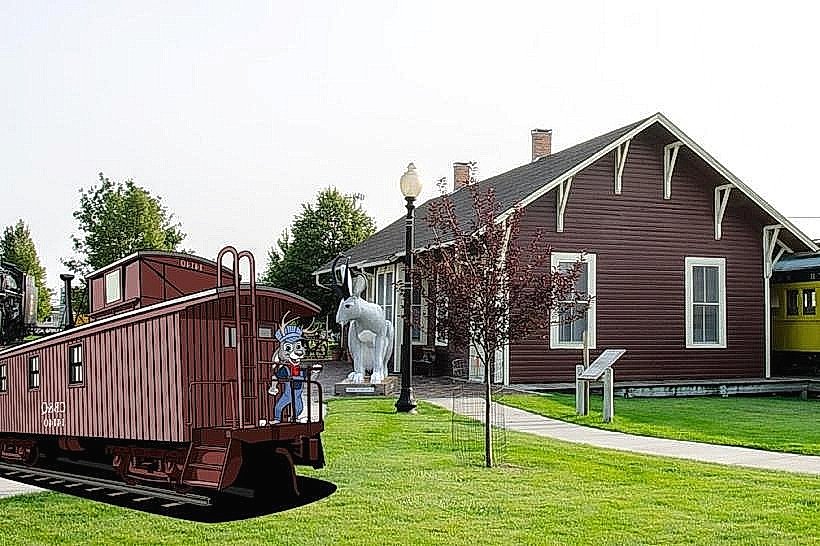
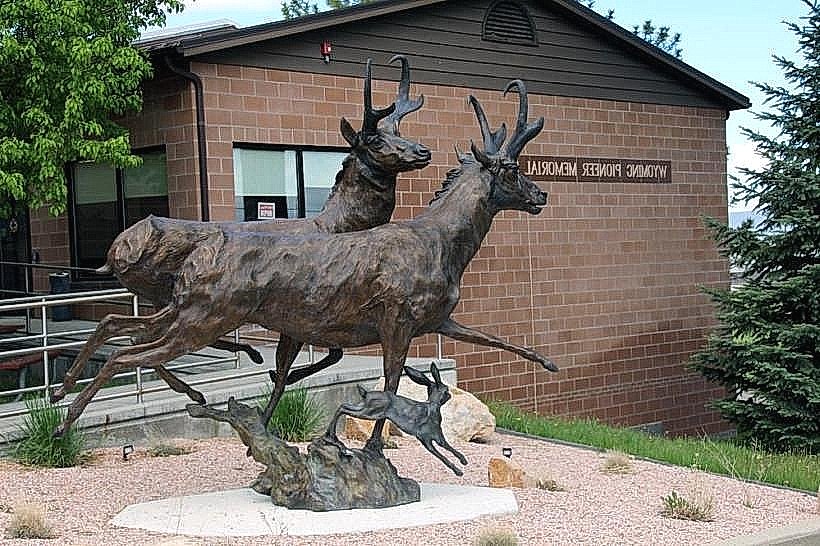
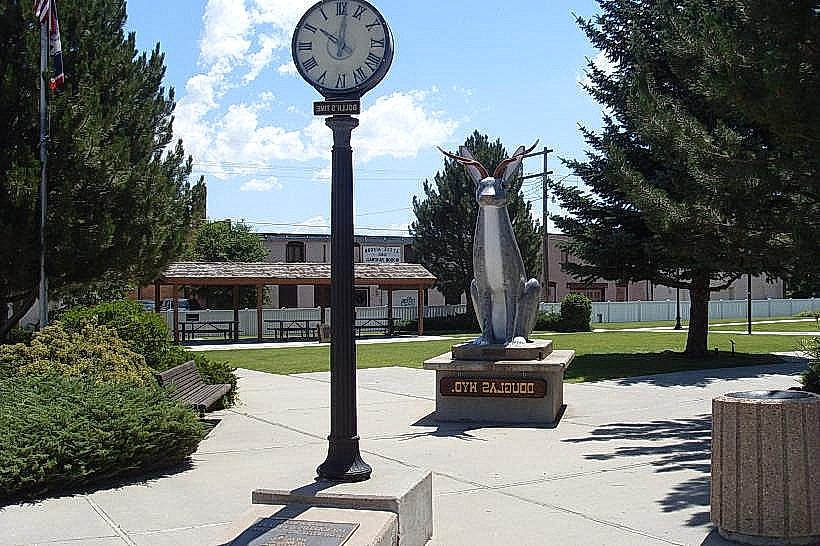
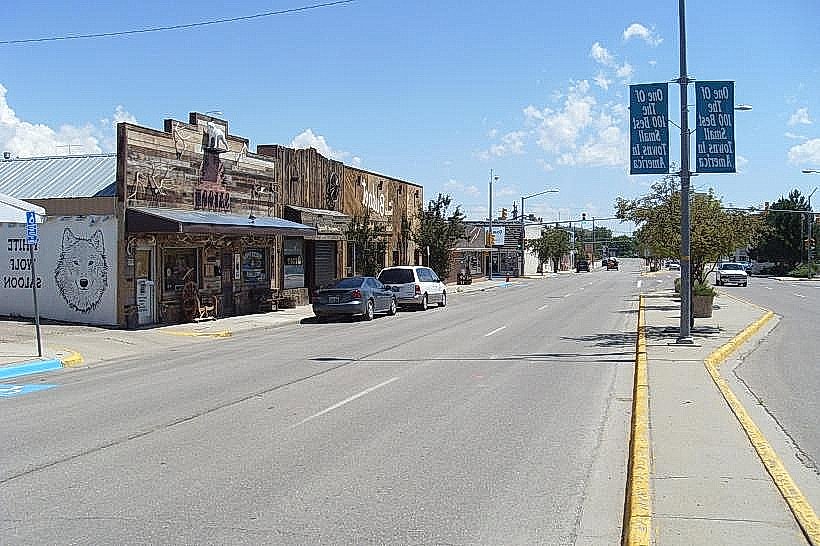
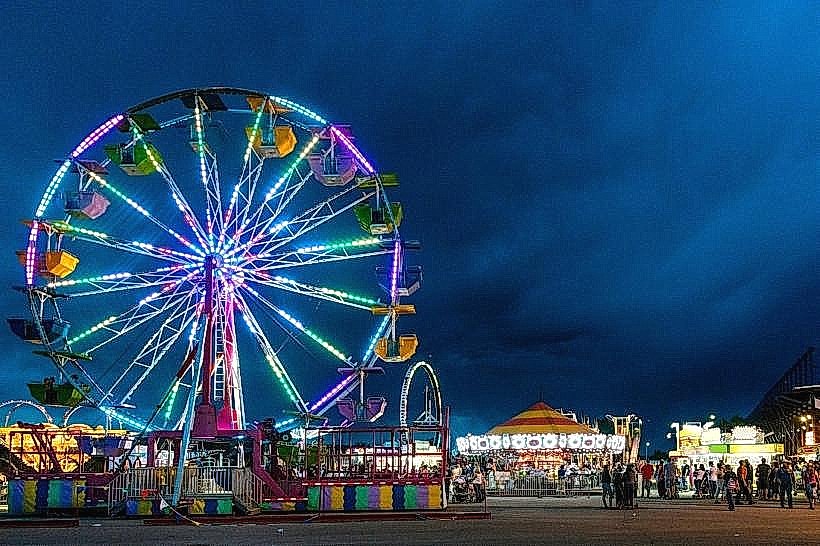
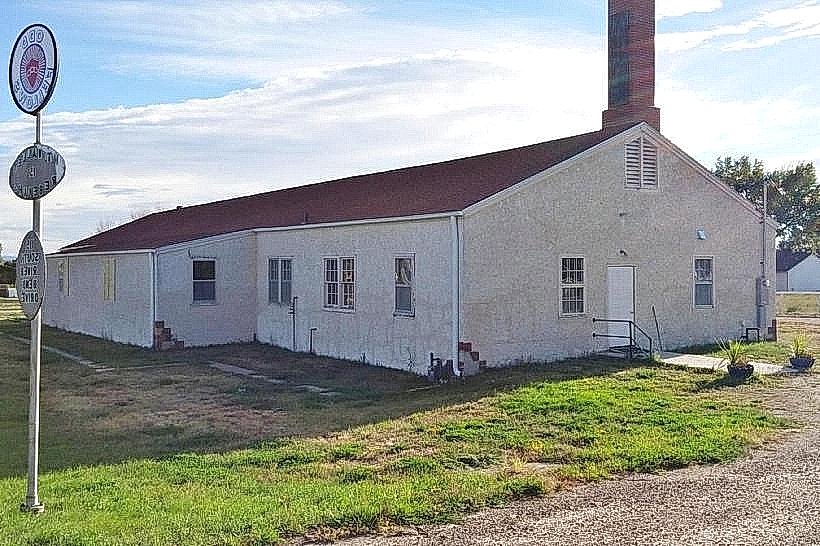
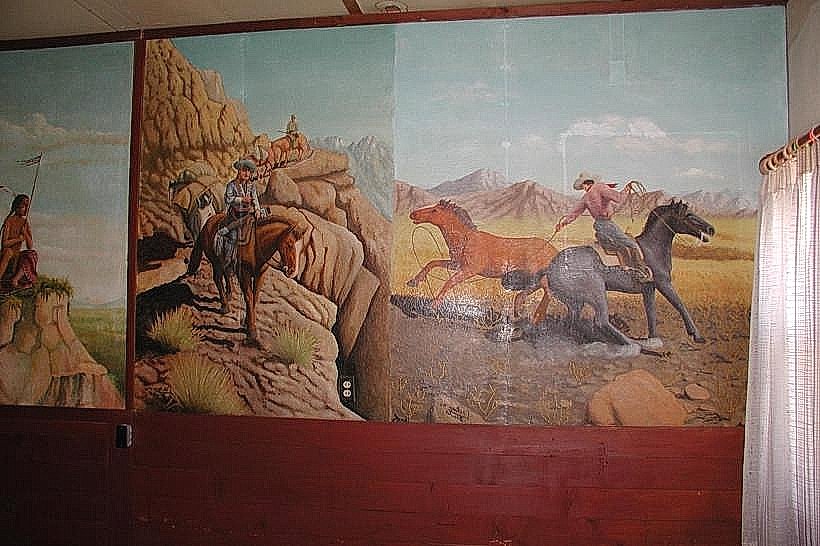
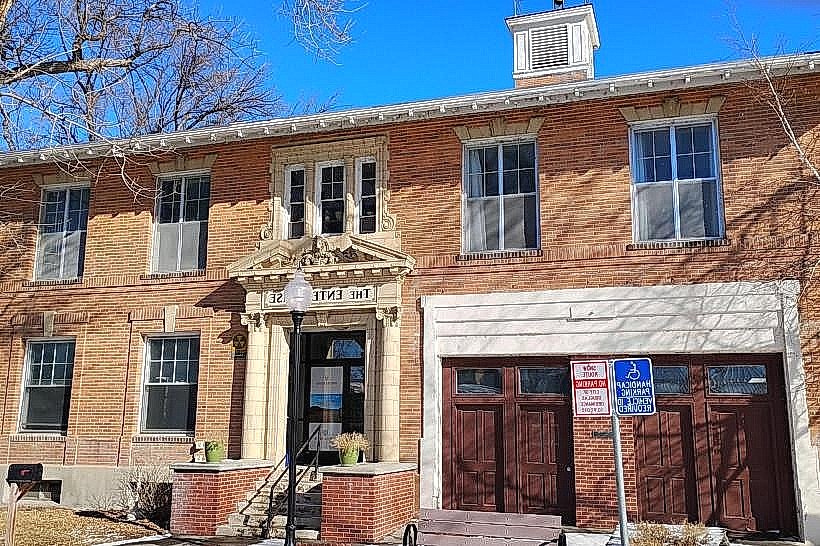
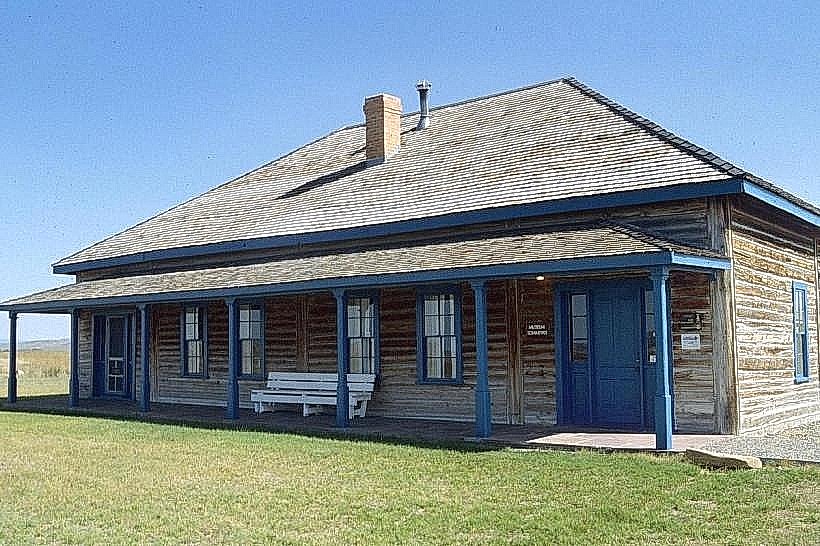
Landmark: State Fairgrounds Historic BuildingsCity: Douglas
Country: USA Wyoming
Continent: North America
State Fairgrounds Historic Buildings, Douglas, USA Wyoming, North America
The Central Kalahari Game Reserve is a protected area located in the Kalahari Desert of Botswana. It is the second-largest game reserve in the world.
Visual Characteristics
The reserve is characterized by vast, flat plains covered in sparse, dry vegetation, including grasses, acacia trees, and camelthorn trees. The soil is predominantly sandy. During the wet season (typically November to April), the landscape transforms with a temporary bloom of grasses and wildflowers. The sky is often clear, with intense sunlight during the day and cooler temperatures at night. There are no permanent rivers within the reserve, but ephemeral rivers and pans can hold water after rainfall.
Location & Access Logistics
The Central Kalahari Game Reserve is situated approximately 200 kilometers north of the city of Gaborone and 150 kilometers west of Maun. Access is primarily via unpaved roads. The main entry point is the C20 road from the south, connecting to the reserve's northern gate. Four-wheel-drive vehicles are essential due to the sandy terrain. There are no public transport services directly into the reserve. Visitors typically drive their own vehicles or use specialized safari operators from Maun or Ghanzi.
Historical & Ecological Origin
The Central Kalahari Game Reserve was established in 1961. It was initially conceived as a sanctuary for the indigenous San people, who have inhabited the area for millennia. The reserve's ecological origin is that of a semi-arid savanna and desert environment, shaped by aeons of wind erosion and infrequent rainfall, creating a unique ecosystem adapted to harsh conditions.
Key Highlights & Activities
Activities include game viewing, with opportunities to observe desert-adapted wildlife such as oryx, springbok, wildebeest, lions, cheetahs, and meerkats. Birdwatching is also a significant activity. Self-drive safaris are common, with designated tracks. Camping is permitted at designated campsites. Bush walks with experienced guides are available in certain areas.
Infrastructure & Amenities
Within the reserve, there are a limited number of designated campsites, some with basic facilities like pit toilets. There are no permanent lodges or restaurants inside the reserve. Fuel and supplies must be carried in by visitors. Cell phone signal is generally absent throughout the reserve. Shade is provided by acacia and camelthorn trees at campsites and along some tracks.
Best Time to Visit
The best time for game viewing is during the dry season, from May to October, when animals congregate around water sources. The wet season, from November to April, offers a different experience with greener landscapes and newborn animals, but can make some tracks impassable. The best time of day for photography is early morning and late afternoon, due to the quality of light and increased animal activity.
Facts & Legends
The Deception Valley, located within the reserve, is a significant geological feature and the site of pioneering anthropological research by figures like Elizabeth Marshall Thomas, who documented the lives of the San people. A specific tip for visitors is to carry ample water and fuel, as distances between points of interest and exits are substantial, and resupply is not available within the reserve.
Nearby Landmarks
- Maun (150km Northeast)
- Ghanzi (100km Southwest)
- Makgadikgadi Pans National Park (Approx. 250km East)
- Moremi Game Reserve (Approx. 200km Northeast)