Information
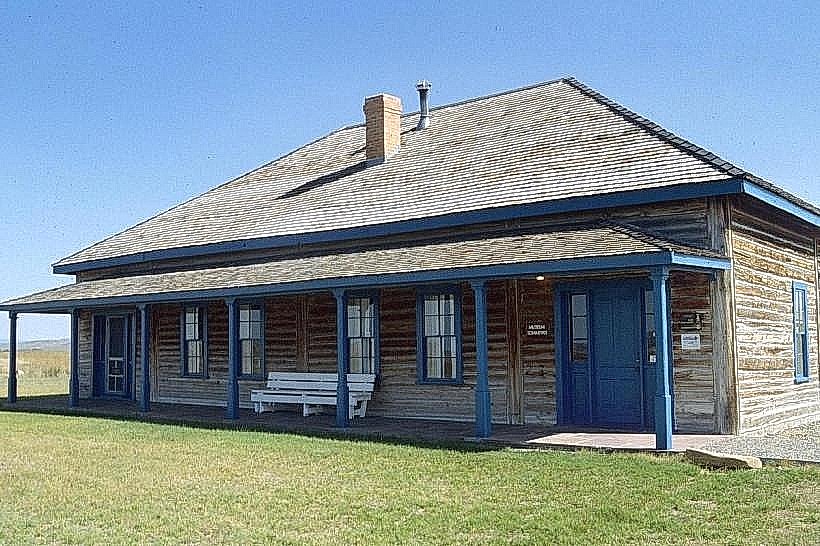
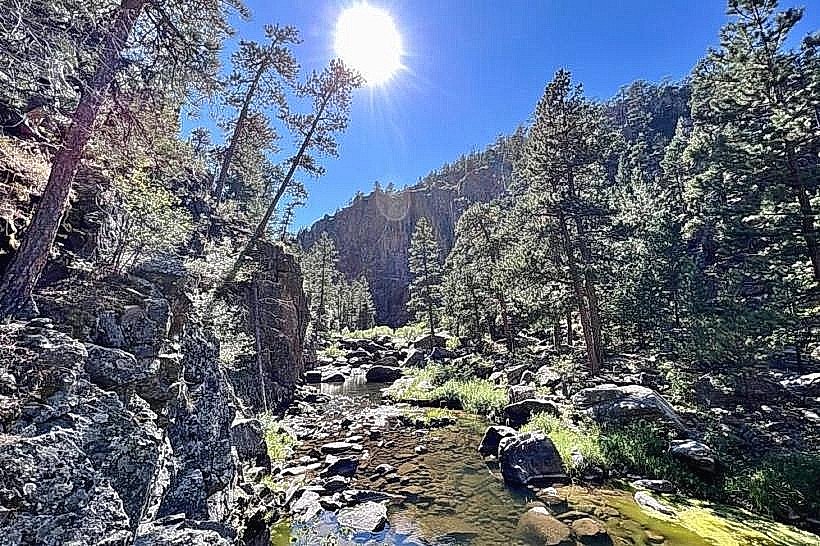
Landmark: North Platte River WalkCity: Douglas
Country: USA Wyoming
Continent: North America
North Platte River Walk, Douglas, USA Wyoming, North America
Jwaneng Nature Reserve is a protected area located within the town of Jwaneng in Botswana.
Visual Characteristics
The reserve primarily consists of semi-arid savanna landscape. Vegetation is characterized by acacia trees, shrubs, and grasses adapted to dry conditions. The terrain is generally flat with occasional low-lying hills. Wildlife sightings are common, including various antelope species, zebras, and a range of birdlife.
Location & Access Logistics
The reserve is situated on the western edge of Jwaneng town. Access is via the A2 highway, approximately 2 kilometers from the Jwaneng town center. Turn off the A2 onto the road signposted for the Nature Reserve. Ample parking is available at the main entrance gate. No public transport directly serves the reserve; private vehicles are required.
Historical & Ecological Origin
Jwaneng Nature Reserve was established to conserve the local flora and fauna of the Kalahari ecosystem. It protects a representative sample of the semi-arid savanna biome, which is home to species that have adapted to the region's low rainfall and sandy soils. The reserve's ecological origin is tied to the geological formation of the Kalahari Basin.
Key Highlights & Activities
Self-drive game viewing is the primary activity. Designated game drive routes are marked within the reserve. Birdwatching is possible throughout the year. Photography of wildlife and landscapes is permitted. Picnicking is allowed at designated areas.
Infrastructure & Amenities
A main entrance gate with a ranger station is present. Basic restroom facilities are available near the entrance. Limited shade is provided by trees and a few designated picnic shelters. Cell phone signal (4G) is generally available within the reserve, though it can be intermittent in certain areas. No food vendors are located within the reserve; visitors should bring their own supplies.
Best Time to Visit
The best time for wildlife viewing is during the cooler months of May to August, particularly in the early morning and late afternoon when animals are most active. The dry season (May to October) generally offers better visibility as vegetation is less dense. No tide considerations apply.
Facts & Legends
The reserve is known for its population of springbok, which are well-adapted to the arid conditions. A specific tip for visitors is to look for aardvark burrows, which are common in the sandy soil and indicate the presence of these nocturnal animals.
Nearby Landmarks
- Jwaneng Mine Visitor Centre (1.5km East)
- Jwaneng Town Centre (2km East)
- Kalahari Arms Hotel (2.5km East)