Information
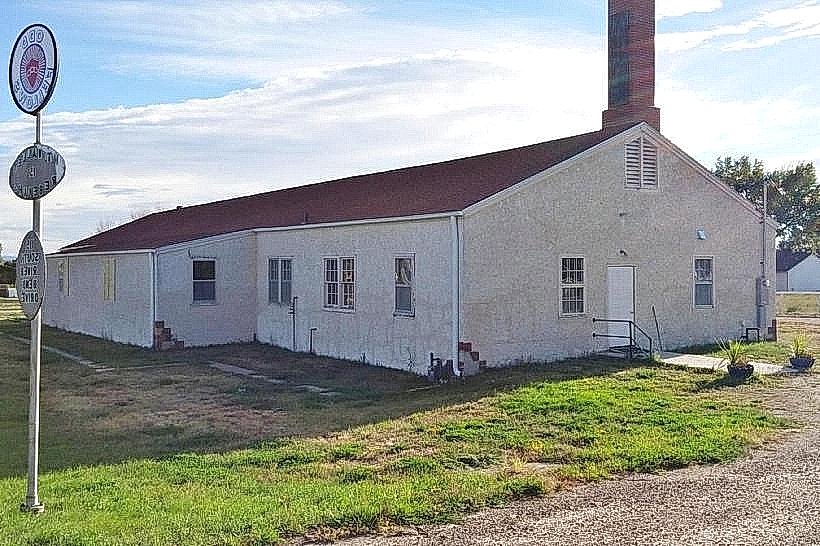
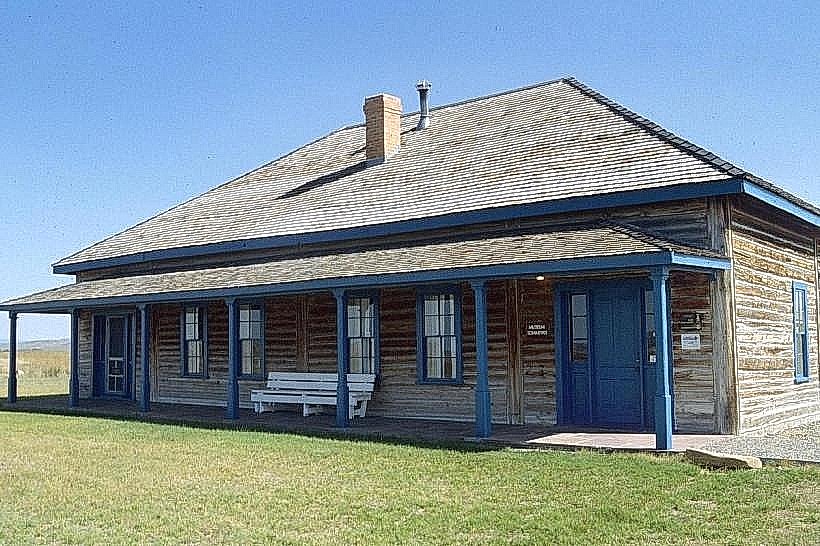
Landmark: Douglas WWII POW MuralsCity: Douglas
Country: USA Wyoming
Continent: North America
Douglas WWII POW Murals, Douglas, USA Wyoming, North America
The Makgadikgadi Pans are a large salt pan complex located in Botswana, east of the Okavango Delta.
Visual Characteristics
The pans consist of vast, flat expanses of cracked earth, primarily composed of salt and mud. During the dry season, the surface is a pale, white to greyish color. After rainfall, shallow water can accumulate, creating a reflective surface that mirrors the sky. Vegetation is sparse, consisting mainly of hardy grasses and salt-tolerant shrubs around the edges.
Location & Access Logistics
The Makgadikgadi Pans are situated approximately 150 kilometers west of Francistown. Access is primarily via unpaved roads. The main routes involve taking the A1 highway west from Francistown towards Orapa, then branching onto secondary gravel roads. Vehicle suitability is critical; a 4x4 vehicle is strongly recommended due to sandy and potentially muddy conditions, especially after rain. There are no public transport services directly to the pans. Parking is informal and available at designated entry points or campsites.
Historical & Ecological Origin
The Makgadikgadi Pans are the remnants of a prehistoric super-lake that once covered much of northern Botswana. This lake, estimated to have been the size of Switzerland, began to dry up approximately 10,000 years ago due to tectonic activity and climatic changes. The current pans are a result of ongoing evaporation and sedimentation processes.
Key Highlights & Activities
Activities include exploring the vast, open landscapes, observing wildlife such as zebras, wildebeest, and flamingos (seasonal), and stargazing due to minimal light pollution. Quad biking is permitted in designated areas. Camping is a primary activity. During periods of inundation, activities like sailing can be undertaken.
Infrastructure & Amenities
Infrastructure is minimal. Basic campsites are available at some entry points, often with pit latrines. There are no permanent food vendors within the pans themselves; visitors must carry all supplies. Cell phone signal is unreliable and generally absent within the main pan areas.
Best Time to Visit
The best time to visit is during the dry season, from May to October, when the pans are accessible and wildlife congregates around remaining water sources. For birdwatching, particularly flamingos, the wet season (November to April) is preferable, though access can be challenging. The best time of day for photography is sunrise and sunset, when the low-angle light creates long shadows and enhances the textures of the salt crust.
Facts & Legends
The pans are home to the largest known population of meerkats in the world. A unique phenomenon is the "singing dunes" on the western edge of the pans, where wind passing over the sand can create a low humming sound.
Nearby Landmarks
- Nata Bird Sanctuary (40km East)
- Orapa Diamond Mine (60km West)
- Khama Rhino Sanctuary (150km South-East)
- Central Kalahari Game Reserve (Access points vary, >100km West)