Information
Landmark: Bandon Marsh National Wildlife RefugeCity: Coos Bay
Country: USA Oregon
Continent: North America
Bandon Marsh National Wildlife Refuge, Coos Bay, USA Oregon, North America
Bandon Marsh National Wildlife Refuge is a protected area located in Coos Bay, Oregon, USA.
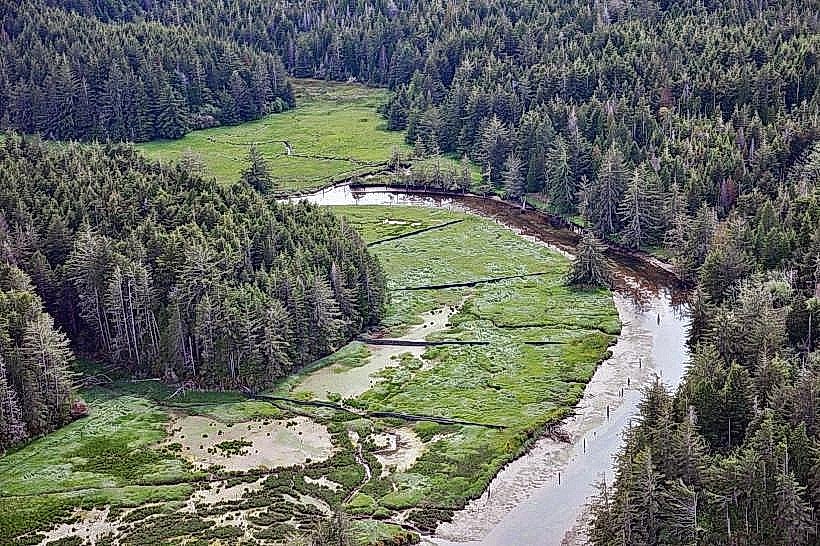
This refuge encompasses tidal mudflats, salt marshes, and upland habitats along the Oregon Coast.
Visual Characteristics
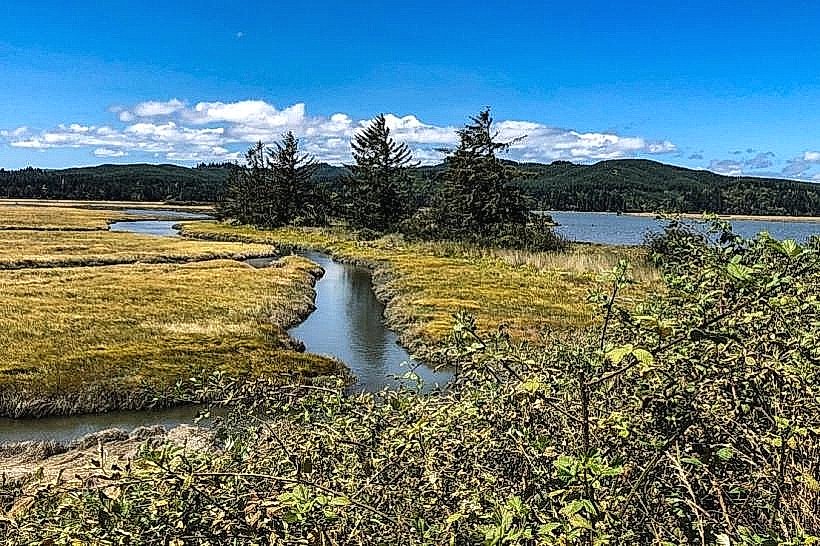
The refuge features extensive intertidal mudflats, characterized by fine sediment deposition. Salt marsh vegetation, primarily composed of pickleweed and various grasses, occupies the higher intertidal zones. Upland areas consist of coastal scrub and coniferous forest. The Coos River estuary forms a significant portion of the landscape, with water color varying based on tidal flow and sediment load.
Location & Access Logistics
Bandon Marsh National Wildlife Refuge is situated approximately 3 miles north of Coos Bay, Oregon. Access is via State Route 101. Turn west onto State Route 200 (also known as River Road) and follow it for approximately 1.5 miles. The main entrance and parking area are located on the south side of River Road. Public transportation options are limited; the nearest bus service operates within Coos Bay, requiring a taxi or personal vehicle for the final approach.
Historical & Ecological Origin
The refuge was established in 1970 to protect and manage migratory bird habitat. Ecologically, it represents a vital estuarine system, supporting a diverse range of marine and terrestrial species. The mudflats are a product of sediment deposition from the Coos River and tidal action, creating a dynamic environment crucial for foraging shorebirds and waterfowl.
Key Highlights & Activities
Birdwatching is a primary activity, with opportunities to observe shorebirds, waterfowl, and raptors. Kayaking and canoeing are permitted on the Coos River estuary, providing access to different sections of the refuge. Hiking is possible on designated trails within the upland areas. Interpretive signage is available at the main access point.
Infrastructure & Amenities
A gravel parking lot is available at the primary access point. Restrooms are present at the parking area. Shade is limited to the forested upland sections. Cell phone signal (4G/5G) is generally available but can be intermittent within the marsh areas.
Best Time to Visit
For birdwatching, the fall and spring migration periods (September-November and March-May) offer the highest diversity of species. Low tide is optimal for viewing shorebirds foraging on the exposed mudflats. Mid-morning and late afternoon provide favorable lighting conditions for photography.
Facts & Legends
The refuge is a critical stopover point for the Pacific Flyway, supporting tens of thousands of migratory birds annually. A specific observation blind is located along the northern edge of the main marsh area, offering concealed viewing opportunities.
Nearby Landmarks
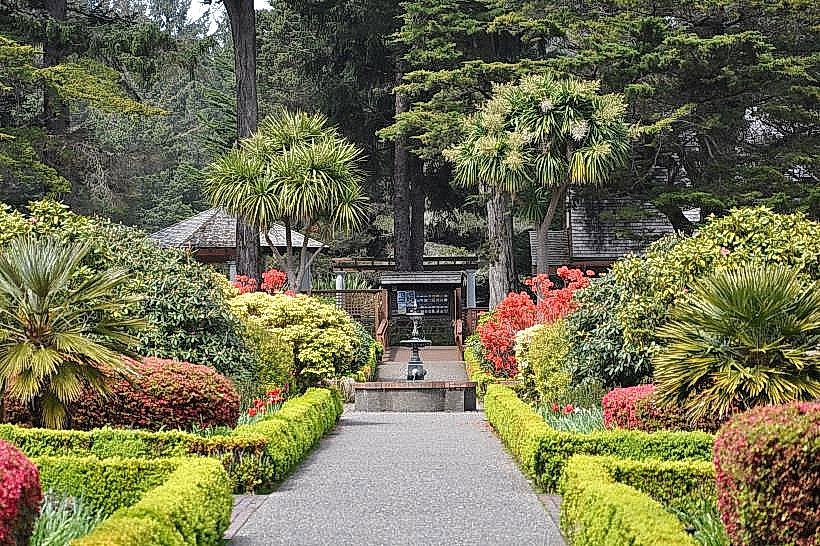
- Shore Acres State Park (3.2km Southwest)
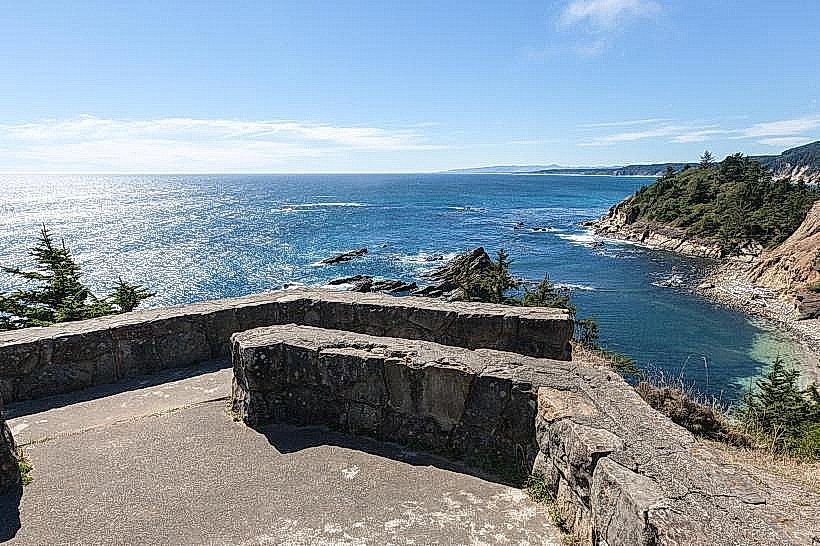
- Cape Arago State Park (5.0km Southwest)
- Oregon Coast Aquarium (4.5km Southwest)
- Charleston Marina (4.8km Southwest)