Information
Landmark: Bari VecchiaCity: Bari
Country: Italy
Continent: Europe
Bari Vecchia, Bari, Italy, Europe
Bari Vecchia (Old Bari) is the historic center of Bari, situated on a limestone peninsula between the city's two harbors. It is characterized by its dense medieval urban fabric, featuring approximately 40 churches and 120 shrines located within a network of nearly 200 narrow, winding streets.
Visual Characteristics
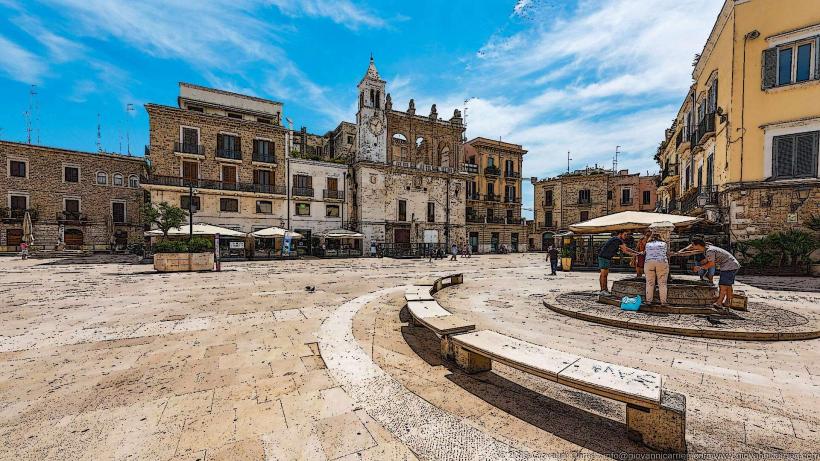
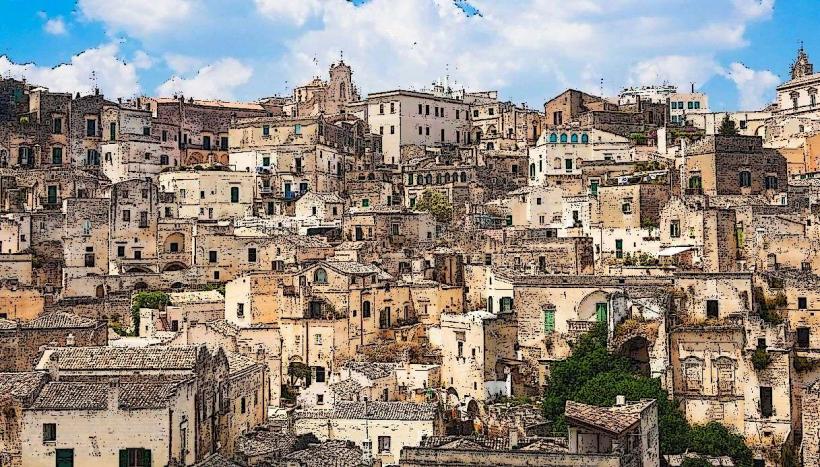
The district is defined by its architectural layers of white Apulian limestone and Sienese-style brickwork. The layout is intentionally labyrinthine, a defensive design intended to disorient invaders. Residential buildings frequently feature small stone balconies, external laundry lines, and ground-floor apartments (bassi) with doors opening directly onto the streets, often revealing residents performing domestic tasks.
Location & Access Logistics
The old town is located at the northern tip of Bari, separated from the modern Murat district by Corso Vittorio Emanuele II. It is a Restricted Traffic Zone (ZTL), making it almost entirely pedestrian. The most common entry points are through Piazza del Ferrarese or the Arco Basso. For those arriving by train, it is a 15-minute walk north from Bari Centrale. Parking is located at the perimeter, specifically at Parcheggio Porto.
Historical & Ecological Origin
The site has been inhabited since the Bronze Age. It served as a critical Byzantine capital in Italy and later as a major Norman stronghold. Geologically, the area is a karst plateau. Its position on the Adriatic coast made it a strategic naval point, leading to the construction of massive defensive sea walls (the Muraglia) that protected the city from both maritime invaders and storm surges.
Key Highlights & Activities
Arco Basso (Orecchiette Street): A passage where local women sit outside at wooden tables to hand-roll orecchiette pasta.
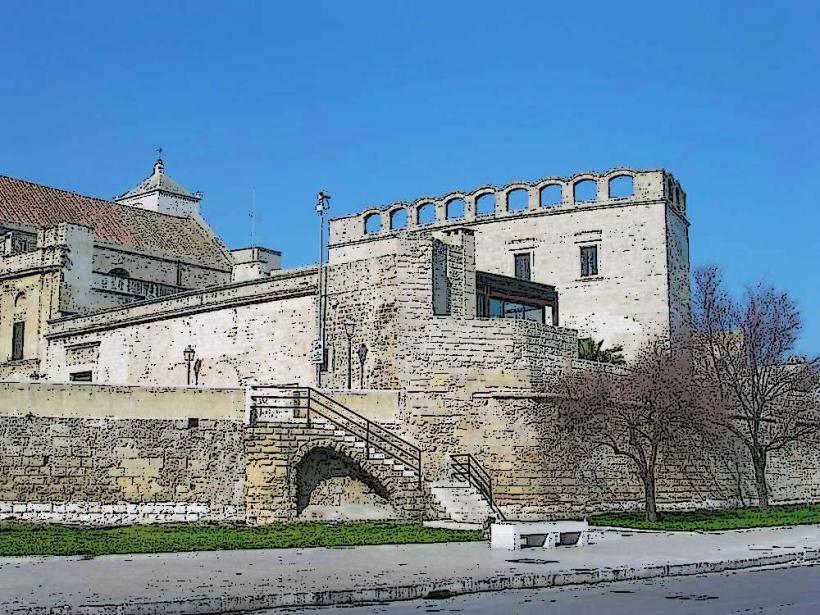
The Muraglia: A walkway atop the ancient city walls offering views of the Adriatic Sea and the harbor.
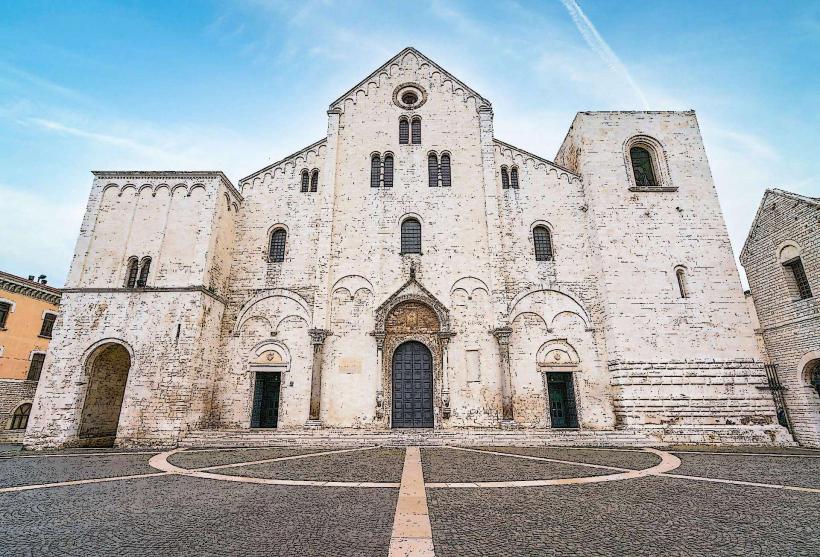
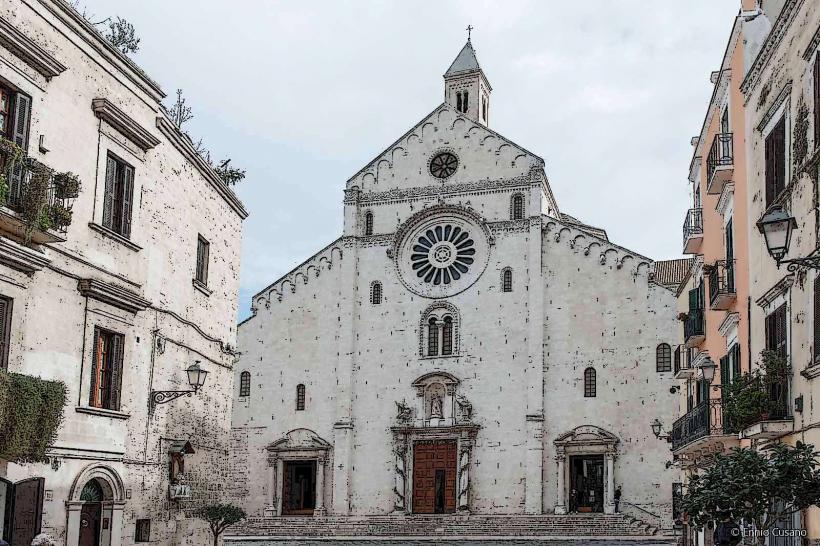
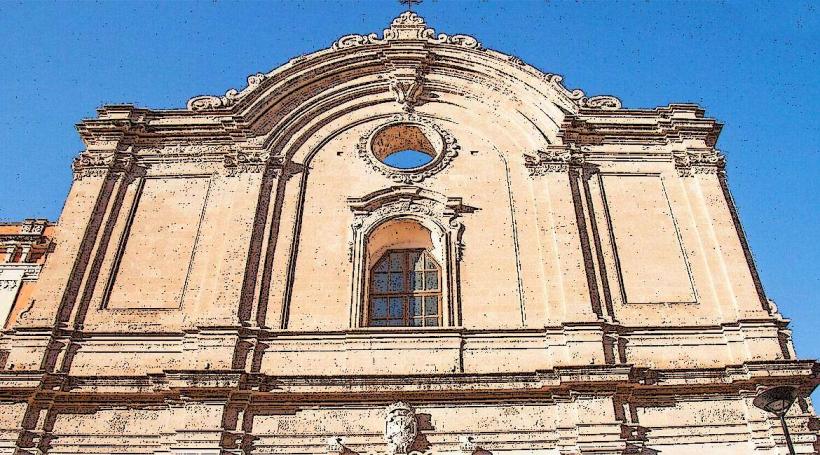
Religious Hubs: Home to the Basilica di San Nicola and the Cattedrale di San Sabino.
Piazza Mercantile: The historical commercial heart of the city, featuring the "Column of Justice."
Infrastructure & Amenities
The area is highly concentrated with traditional trattorias, bakeries (panifici), and artisan shops. 4G/5G cellular signals can be highly inconsistent due to the density of the stone buildings and narrow alleys. Public restrooms are scarce; visitors typically use facilities in local cafes. The narrow streets provide significant natural shade and a "wind tunnel" effect that keeps temperatures lower than in the open modern city.
Best Time to Visit
The morning (08:00–11:00) is the best time to observe the production of fresh pasta and daily market activities. The evening (after 19:00) provides a vibrant social atmosphere. Photography is best on the Muraglia during the "Golden Hour" before sunset for views of the sea and the city's illuminated bell towers.
Facts & Legends
Legend says the winding streets were designed to confuse Saracen raiders, leading them into dead ends where residents could ambush them from above. A verified cultural fact is that the social life of Bari Vecchia is strictly tied to the veneration of Saint Nicholas; many families in the district still claim descent from the sailors who brought the saint's relics to Bari in 1087.
Nearby Landmarks
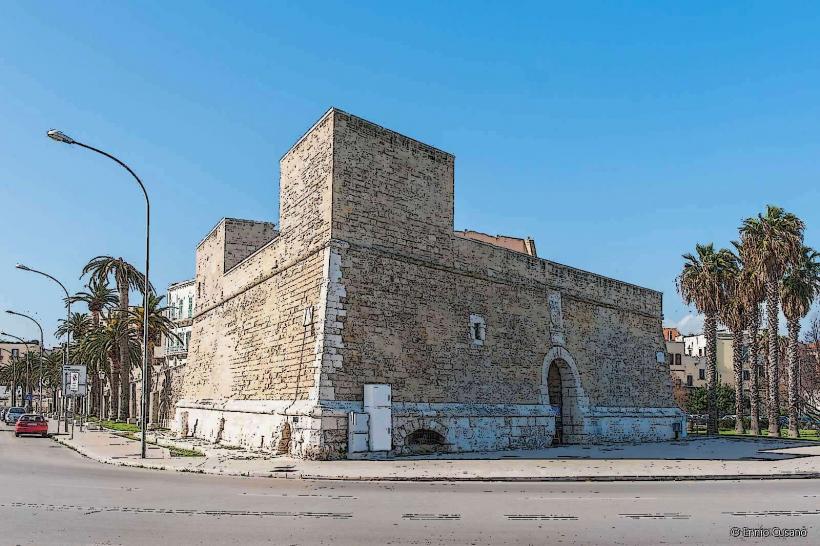
Castello Svevo: 0.1km West
Basilica di San Nicola: 0.2km North
Teatro Margherita: 0.15km Southeast
Piazza del Ferrarese: 0.05km South
Bari Harbor: 0.2km North