Information
Landmark: Forte di Sant Antonio AbateCity: Bari
Country: Italy
Continent: Europe
Forte di Sant Antonio Abate, Bari, Italy, Europe
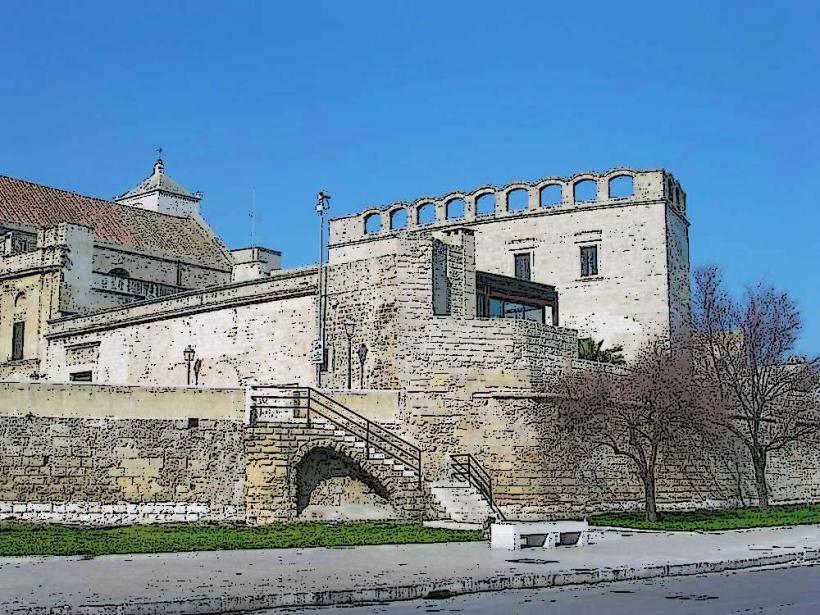
The Forte di Sant’Antonio Abate is a coastal defensive bastion situated on the highest point of the ancient city walls (Muraglia) of Bari. Originally built for military defense, it now functions as a cultural space for art exhibitions and provides a panoramic viewpoint over the Adriatic Sea and the city's old harbor.
Visual Characteristics
The fort is a robust, stone masonry structure with a trapezoidal footprint. Its architecture is characterized by thick, slanted defensive walls designed to deflect artillery fire. The most prominent feature is a small, 14th-century chapel dedicated to Saint Anthony the Abbot, which is integrated into the structure and topped with a modest bell gable. A stone staircase leads to an elevated terrace that offers unobstructed views of the coastline.
Location & Access Logistics
The fort is located at the northernmost curve of the Bari peninsula, where the Lungomare Imperatore Augusto meets the old city. It is a pedestrian-only site accessible via the Muraglia walkway. Visitors can reach it by walking 5 minutes from the Basilica di San Nicola or 10 minutes from Piazza del Ferrarese. For those arriving by car, the nearest parking is at the "Molo Sant'Antonio" or the harbor-side lots.
Historical & Ecological Origin
The current fortification was commissioned in 1440 by Isabella of Aragon to reinforce the city's maritime defenses. It was partially destroyed by the citizens of Bari in 1463 out of frustration with oppressive rule, then rebuilt by the Sforza family in the 16th century. The fort is built upon a limestone outcrop that has served as a strategic lookout point since the Roman era, protecting the city from Slavic and Saracen pirates.
Key Highlights & Activities
The main attraction is the panoramic terrace, which provides the best photographic vantage point of the Porto Vecchio (Old Harbor) and the Teatro Margherita. The interior rooms, once used for ammunition storage and soldier quarters, now host temporary contemporary art installations and cultural conferences. The small chapel contains a statue of Saint Anthony, the patron saint of animals, which remains a focal point for local devotion.
Infrastructure & Amenities
The fort includes a dedicated exhibition space and a small information point. Public restrooms are not located within the fort but can be found in the nearby Piazza del Ferrarese. 4G/5G cellular signals are excellent due to the elevated and open seaside location. There is no shade on the upper terrace, but the thick stone interior rooms remain naturally cool.
Best Time to Visit
The fort is best visited at sunrise for views of the Adriatic or at sunset to see the city lights reflect on the harbor. It is a preferred location in mid-January during the Feast of Saint Anthony (January 17), when a traditional bonfire is lit in the square below and pets are brought to the area to be blessed.
Facts & Legends
Local legend says the fort was built on the site of an even older wooden watchtower that burned down during a siege. A verified historical fact is that the fort's position allowed it to control the primary entrance to the city for centuries, as the gate located beneath its walls was the only one that remained open at night for fishermen.
Nearby Landmarks
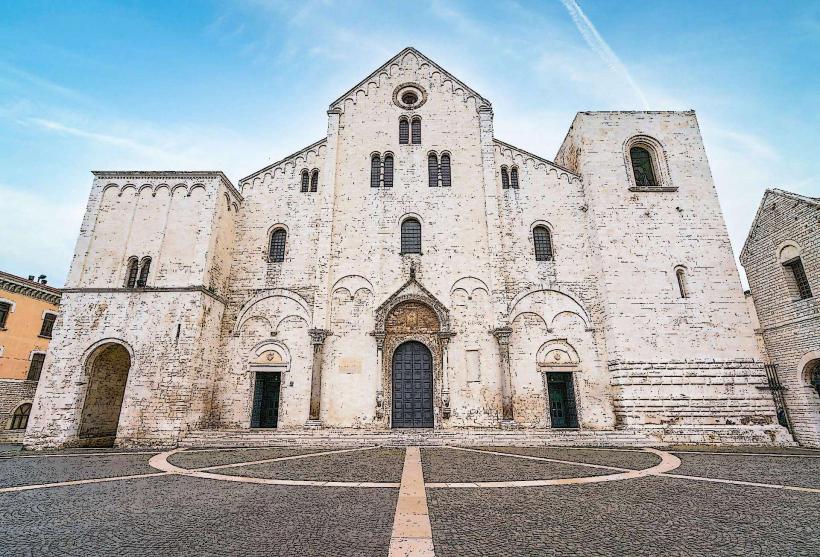
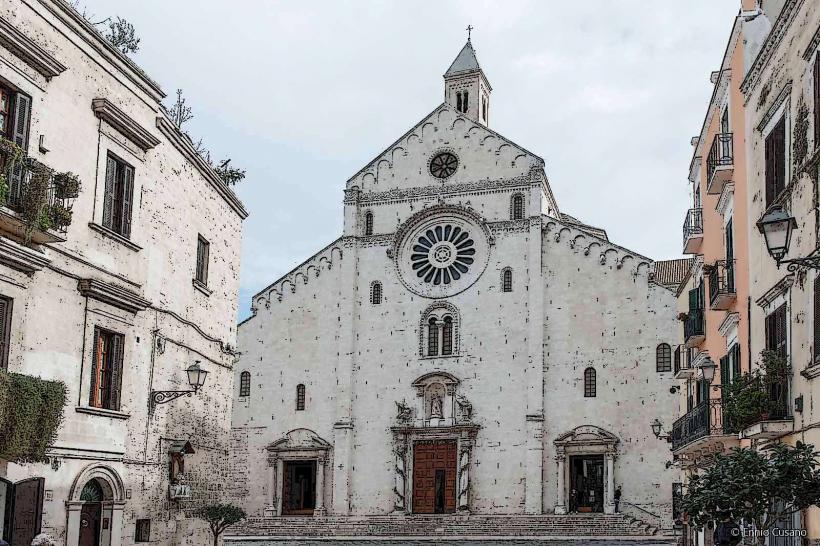
Basilica di San Nicola: 0.2km South
The Muraglia (City Walls): 0.01km (Contiguous)
Porto Vecchio (Old Harbor): 0.05km East
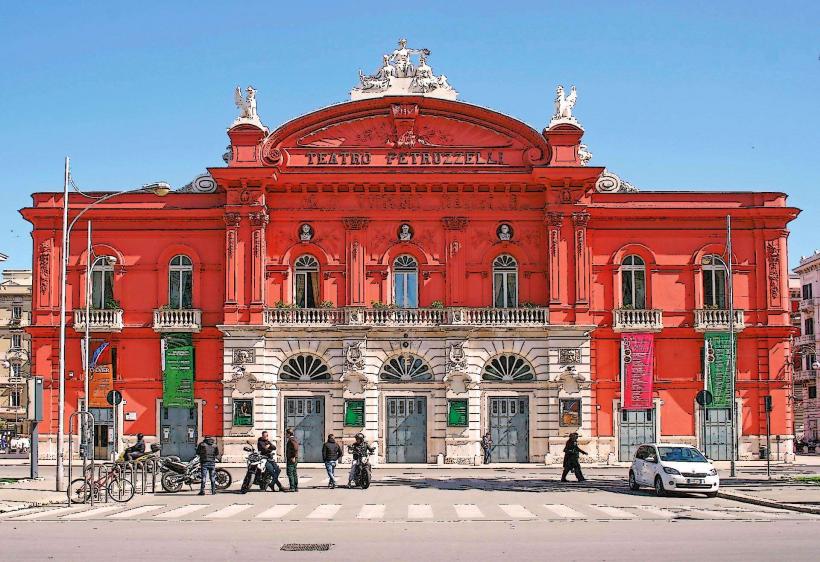
Teatro Margherita: 0.3km Southeast
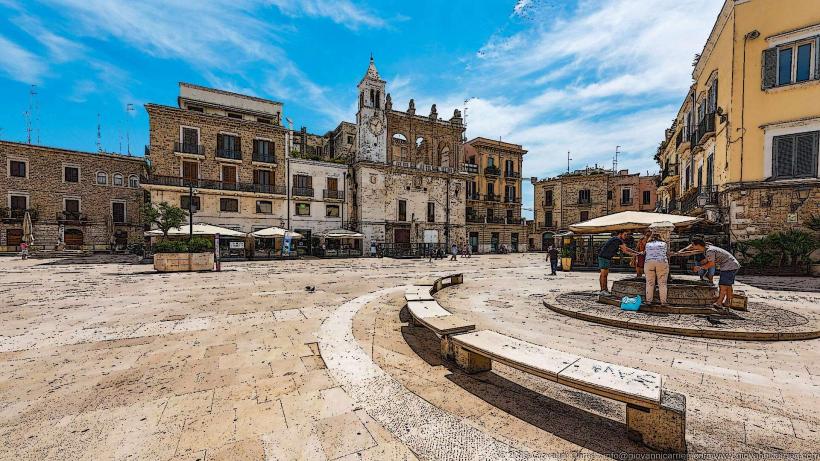
Piazza del Ferrarese: 0.4km Southeast