Information
Landmark: Basque BlockCity: Boise
Country: USA Idaho
Continent: North America
Basque Block, Boise, USA Idaho, North America
Overview
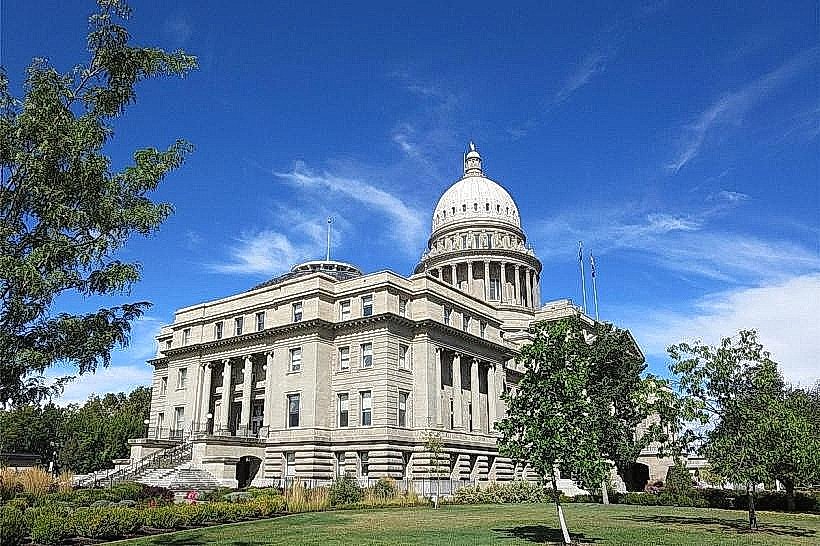
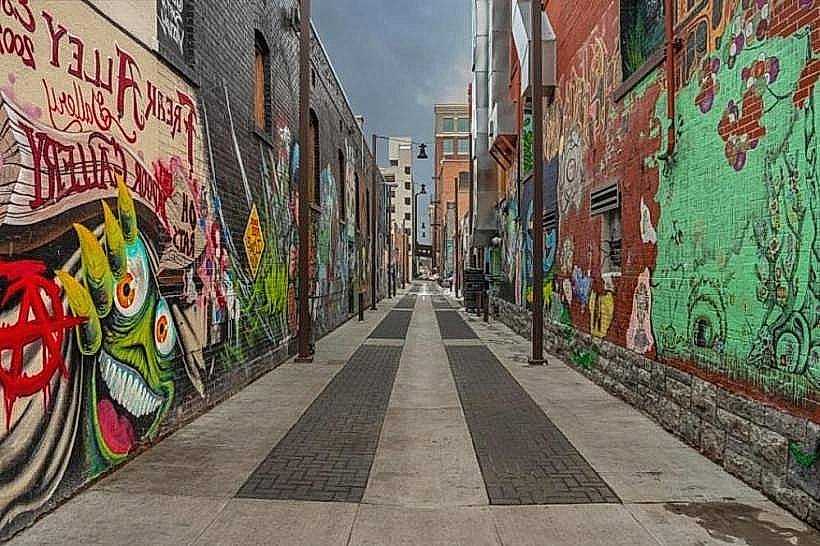
Tucked into downtown Boise, Idaho, the Basque Block is a vibrant, close-knit district that keeps the traditions of the Basque people alive-immigrants from northern Spain and southwestern France who arrived here in the late 1800s and early 1900s, bringing with them the scent of fresh bread and the sound of lively street music, also in this single block, you can feel Boise’s Basque heritage in every step-history, food sizzling on grills, music spilling into the street, and the rhythm of the language woven into everyday moments.The Basque Block stretches along Grove Street between Capitol Boulevard and 6th Street, only a short stroll from the Idaho State Capitol where the dome catches the afternoon light, and the block may be miniature, but its stone façades, brick walls, radiant murals, and fluttering flags make you feel the pull of the Basque homeland.It’s a warm, welcoming scene, especially during festivals, when the scent of sizzling chorizo drifts through the air and the lilting notes of the txistu and accordion ripple down the street, also during events, part of the street closes to cars, so you can stroll past aged stone facades, slip into cafés or museums, and hear conversations drift by in both English and Euskara, the Basque language.In the late 1800s, Basques came to Idaho, many taking jobs herding sheep across the state’s windy high desert and rugged mountain pastures, what’s more over the years, Boise grew into one of the biggest Basque communities in the country, where you might catch the smell of chorizo drifting from a street festival.The Basque Block grew into a lively social and cultural hub, anchored by historic boarding houses where weary sheepherders rested between seasons, swapping stories over steaming plates of lamb and the sound of a fiddle in the corner, on top of that by the 1980s, local leaders saw the need to protect the legacy, repairing weathered brick facades and officially setting the area apart as a cultural district, fairly Today, it’s still a lively bridge between Idaho and the Basque homeland, carrying the sound of music and conversation back and forth as their traditions continue to flow, on top of that main landmarks and institutions-like the antique clock tower by the square-stand out here.Tucked in the middle of the block, the Basque Museum and Cultural Center preserves Basque history in Idaho and the American West, bringing it to life with artifacts worn smooth by time, then you’ll find immigration records, worn traditional clothing, faded photographs, and the sturdy tools once carried by early herders.The museum hosts rotating cultural exhibits and lively programs on Basque art, music, and folklore-sometimes you can hear the sharp ring of a traditional txalaparta in the gallery, equally important number two sat there, bold and simple, like a lone black mark on a white page.Actually, Built in 1864, the Cyrus Jacobs-Uberuaga House once welcomed Basque boarders for decades, its cool stone walls holding the scent of bread from the kitchen, and today it stands as part of the museum, while you can step into its preserved rooms-plain dormitories, a modest kitchen with worn wooden counters, and echoing dining halls-and catch a vivid glimpse of how early immigrants once lived.Wooden trunks, a handwoven blanket rough under your fingertips, and worn kitchenware each carry quiet stories of resilience and change, alternatively number three.As you can see, Built in 1949, the Basque Center (Euzkaldunak, Inc.) has become the heart of local gatherings, where neighbors share stories over warm bread and celebrate their heritage, on top of that inside, locals throw lively dances, serve steaming dinners, and teach language classes.People still gather to play traditional Basque games like pala, the sharp crack of the ball echoing off the court wall, or mus, a lively card game that keeps age-vintage customs alive, and number four.The scent of fresh bread and sizzling chorizo from Basque markets and restaurants is at the heart of the Basque Block experience, and at The Basque Market, shelves brim with olive oils, wines, and imported treats, and on weekdays you can catch paella being made-huge pans of saffron rice bubbling in the open air, loosely Just down the street, spots like Bar Gernika and Leku Ona serve up solomo-tender marinated pork loin-alongside chorizo sandwiches, crisp croquetas, and pintxos, those bite-sized Basque tapas you can nibble in two bites, in conjunction with the flavors burst with rustic warmth, carrying the kind of depth you’d find in a recipe passed down at a worn kitchen table.Five, moreover at the heart of the block sits Frontón Court, an open-air handball court where the sound of the ball thudding against the wall echoes in the afternoon sun.During festivals, locals pack into the stands to cheer on pala and jai alai, quick-paced games that have been part of Basque life for generations, consequently the ball thuds against the wall, its echo weaving into the low hum of music and scattered voices, forming a rhythm that feels alive.Cultural life thrives in the Basque Block-it’s no dusty museum, but a lively neighborhood where you might catch the scent of fresh bread drifting from a bakery, therefore all year long, it’s alive with cultural programs, dance rehearsals echoing through the hall, language classes, and lively public celebrations, more or less Jaialdi is the best-known event-a lively, week-long Basque festival held every five years that draws thousands from across the globe, many savoring the smell of fresh bread in the market stalls, moreover during Jaialdi, Grove Street bursts into a lively mix of red, green, and white flags, while the sound of fiddles drifts over dancing crowds and food stalls squeeze into every spare patch of pavement.Each year brings the San Inazio Festival, a lively tribute to Saint Ignatius of Loyola, along with smaller cultural days filled with the smell of sizzling Basque dishes, handmade crafts, and shared stories, subsequently groups like the Oinkari Basque Dancers step into the circle with traditional folk dances, filling the gathering with genuine spirit and a burst of youthful energy that’s as vivid as a red sash in motion, moderately As it turns out, Strolling through the Basque Block wraps you in warm aromas and timeworn stone walls, a rich mix of history and hospitality, besides step into the boarding house’s cool stone interior, hear elders chatting in Euskara out on the patio, then wander next door to watch paella simmer or sip a glass of Rioja beneath warm string lights.The street has a cozy feel, with wooden balconies overhead, wrought-iron railings catching the afternoon light, and murals of Basque hills and lauburu crosses painted in rich, earthy tones, besides by evening, the block hums with energy, music drifting through open café doors and voices mingling in the warm air.Garlic and peppers float on the breeze, while the clink of glasses and bursts of laughter wrap the destination in the cozy glow of a European plaza set down in the heart of the American West, while the Basque Block is a living bridge between Idaho and Europe, keeping alive one of the state’s most distinctive immigrant traditions-like the smell of fresh bread drifting from its cafés.It stands for the grit of a tight-knit community that shaped Idaho’s ranching roots and cultural spirit, holding rapid to its language, values, and pride-like the sound of antique stories told by a crackling fire, as well as it’s more than a site for visitors; it’s a living cultural district where heritage hums through the streets and shopfronts, woven into everyday life.In its museums, the smell of fresh bread, and lively street gatherings, the Basque Block shares a story of migration, resilience, and home-one that still shapes the spirit of Boise and reaches across the region.
Author: Tourist Landmarks
Date: 2025-10-16