Information
Landmark: Idaho State MuseumCity: Boise
Country: USA Idaho
Continent: North America
Idaho State Museum, Boise, USA Idaho, North America
The Idaho State Museum is a state-funded institution located in Boise, Idaho, USA. It documents the history and culture of the state.
Visual Characteristics
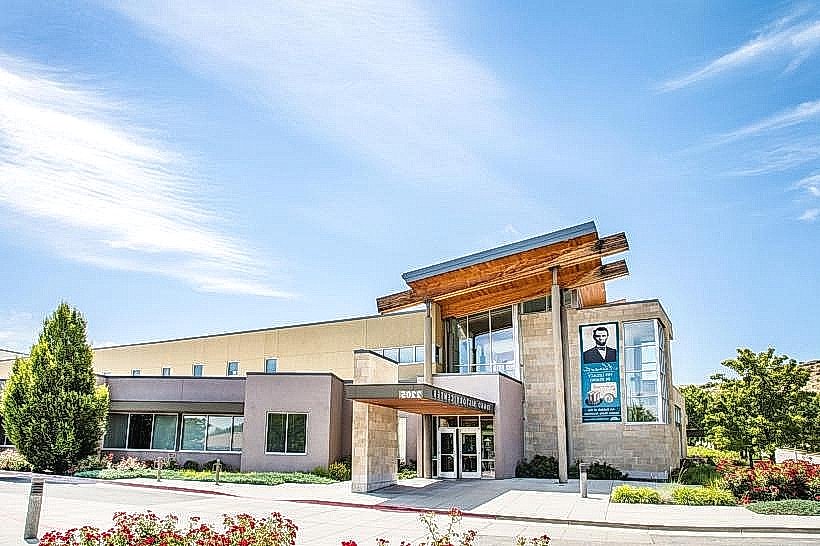
The museum building is a modern structure constructed primarily of concrete and glass. It features a low-profile design with clean lines and a muted color palette, emphasizing functionality over ornamentation. The exterior is largely unadorned, with large windows providing natural light to interior spaces.
Location & Access Logistics
The Idaho State Museum is situated at 610 Julia Davis Drive, Boise, ID 83706. It is located within Julia Davis Park, approximately 1.5 kilometers (0.9 miles) southwest of Boise's central business district. Ample parking is available in designated lots adjacent to the museum. Public transport options include Boise's ValleyRide bus system; Route 1 and Route 3 stop within walking distance of the park entrance.
Historical & Ecological Origin
The current museum building was constructed in 2019, replacing an earlier facility. It was designed by the architectural firm Largent, Smith, and Associates. The museum's purpose is to collect, preserve, and exhibit artifacts and information related to Idaho's natural and human history, from its geological formation to contemporary life.
Key Highlights & Activities
Exhibits cover Idaho's geological past, Indigenous peoples, the Oregon Trail, mining, agriculture, and statehood. Visitors can engage with interactive displays detailing the state's diverse ecosystems and historical periods. The museum also hosts temporary exhibitions and educational programs.
Infrastructure & Amenities
Restrooms are available on all public floors. Interior spaces are climate-controlled, providing a comfortable environment. Cell phone signal (4G/5G) is generally strong within the museum. Food and beverage options are limited to a small gift shop café; more extensive dining facilities are available in the surrounding downtown area.
Best Time to Visit
Weekdays, particularly Tuesday through Thursday mornings, typically offer fewer crowds. For optimal lighting for photography of exhibits, consider visiting during daylight hours when natural light supplements artificial illumination. The museum is open year-round, with no specific seasonal weather considerations impacting indoor access.
Facts & Legends
A notable artifact housed at the museum is the original Idaho territorial seal, dating back to 1863. The museum's collection includes over 250,000 objects, representing a significant portion of the state's historical and cultural heritage.
Nearby Landmarks
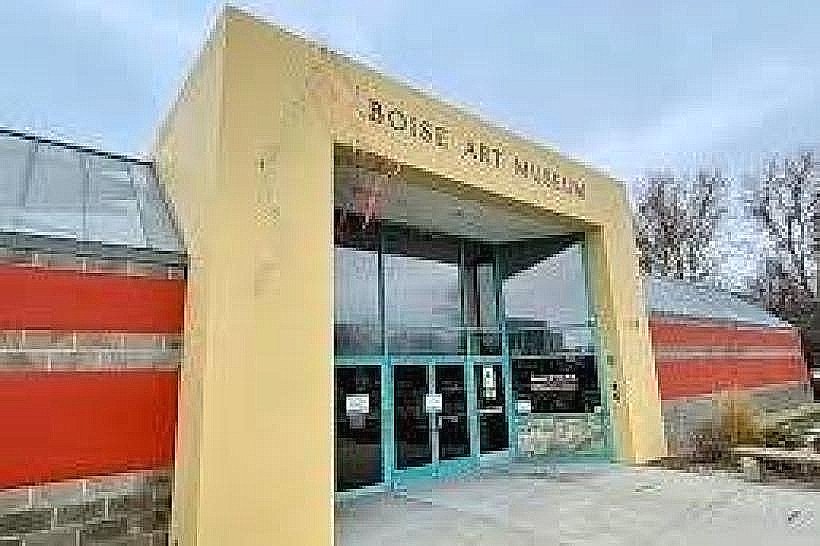
- Boise Art Museum (0.1km North)
- Idaho Botanical Garden (0.8km Southeast)
- Boise River Greenbelt (0.3km West)
- Boise Zoo (0.2km North)
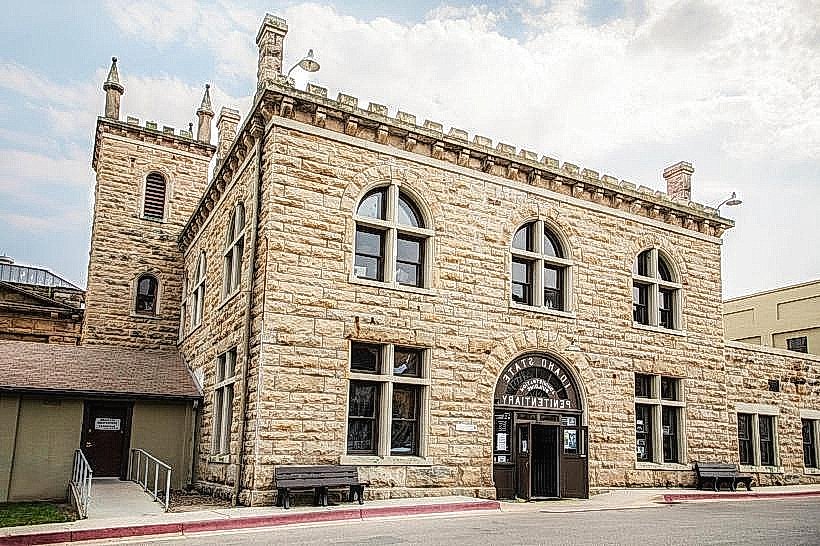
- Idaho State Penitentiary Historic Site (3.5km East)