Information
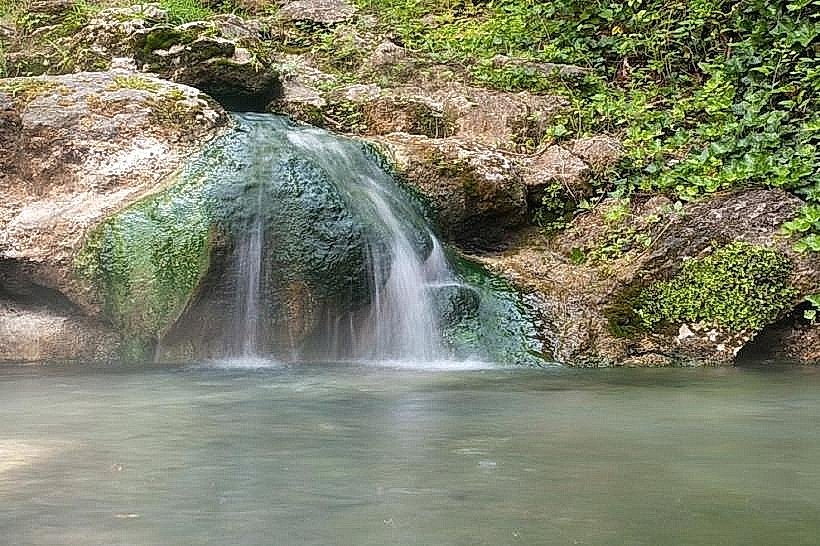
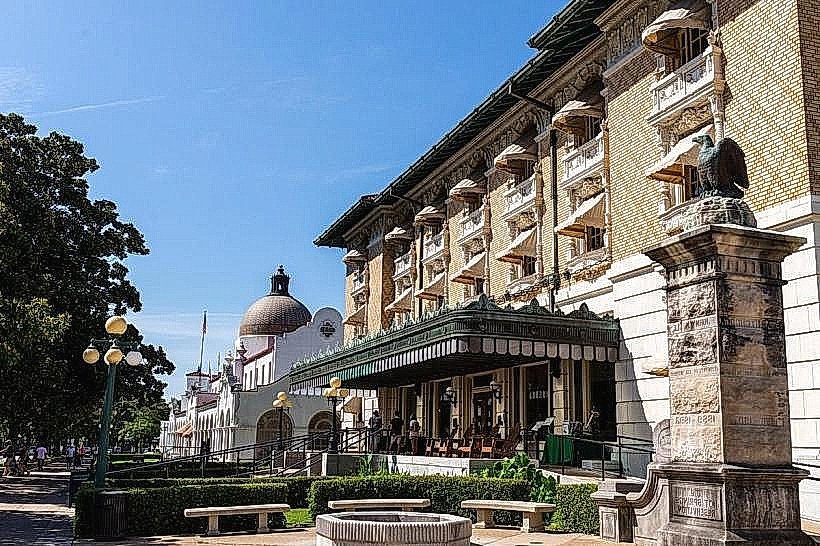
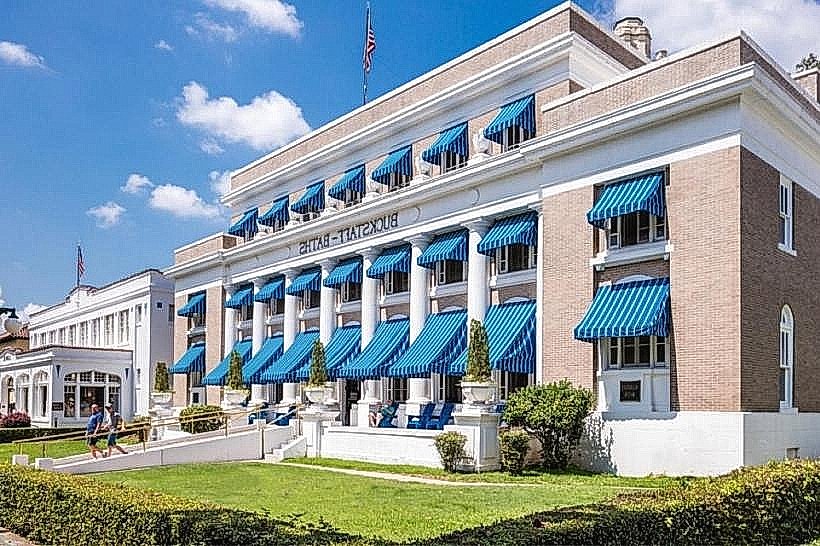
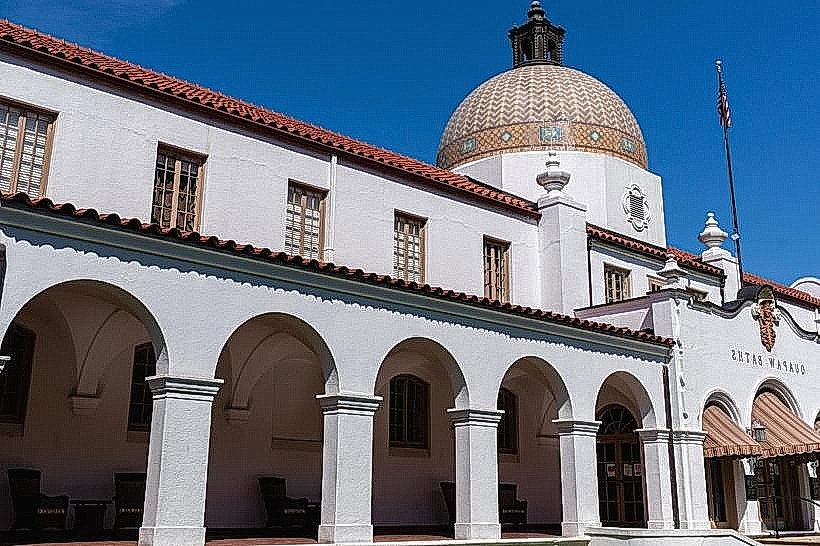
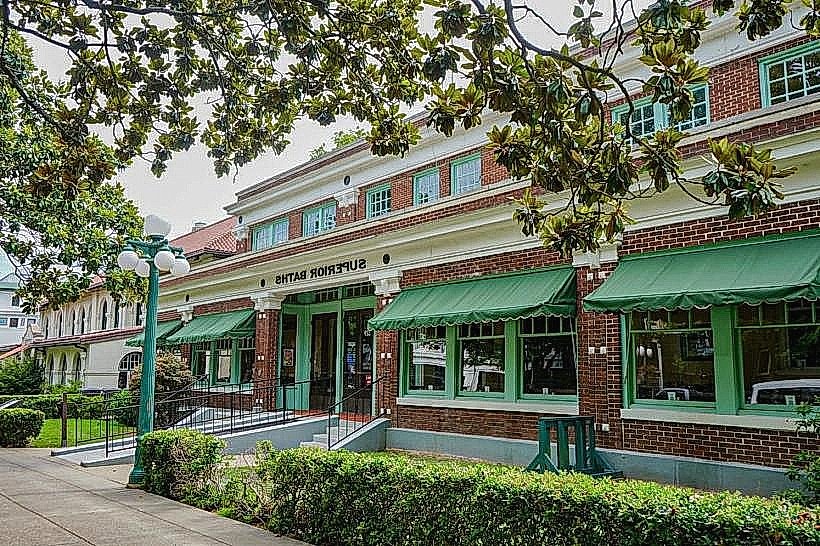
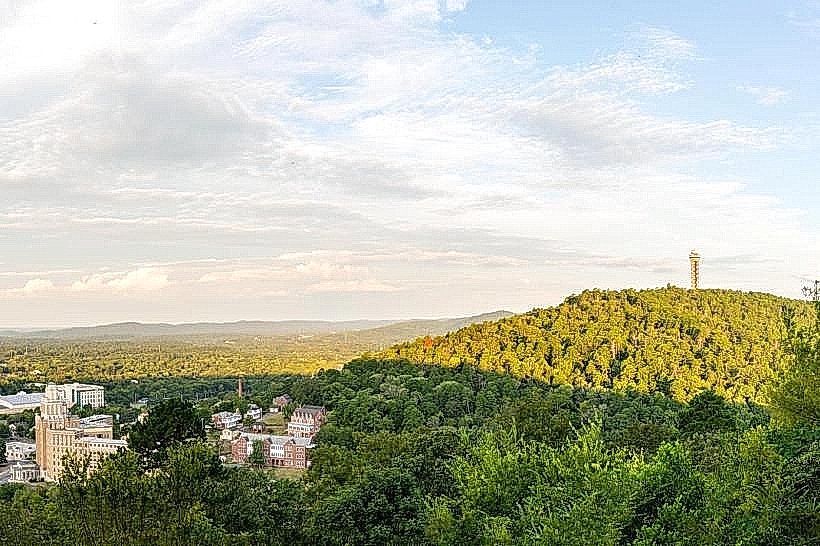
Landmark: Bathhouse RowCity: Hot Springs
Country: USA Arkansas
Continent: North America
Bathhouse Row, Hot Springs, USA Arkansas, North America
Tupelo Hardware Store is a historic retail establishment located in Tupelo, Mississippi, USA.
Visual Characteristics
The building is a single-story structure constructed primarily of red brick. It features a flat roof and large display windows along its front facade. The main entrance is centrally located, with a simple, unadorned sign above it.
Location & Access Logistics
The store is situated at 114 W. Main Street in downtown Tupelo. It is approximately 0.5km west of the city center. On-street parking is available on Main Street and surrounding blocks, with metered spaces. The Tupelo Transit System bus lines 1 and 3 stop within a 2-block radius of the store.
Historical & Ecological Origin
Tupelo Hardware Store was constructed in 1921. It was built by the local businessman W.C. Goolsby. Its original purpose was to serve as a general merchandise store for the growing community.
Key Highlights & Activities
Visitors can browse a selection of hardware, home goods, and local crafts. The store is known for its historical significance as a site associated with Elvis Presley's childhood. A small display commemorates his purchase of his first guitar there.
Infrastructure & Amenities
Restrooms are available for customer use. Limited seating is provided inside the store. Cell phone signal (4G/5G) is generally strong within the building. No on-site food vendors are present, but several restaurants are located within a 1-block radius.
Best Time to Visit
The store is open Monday through Saturday from 9:00 AM to 5:00 PM. Weekday mornings typically have lower customer traffic. Lighting inside the store is consistent throughout operating hours.
Facts & Legends
A widely circulated story states that Elvis Presley purchased his first guitar at Tupelo Hardware Store in 1943 for $12.95. While the store acknowledges this event, definitive proof of the specific transaction remains anecdotal.
Nearby Landmarks
- Elvis Presley Birthplace (0.3km East)
- Tupelo Automobile Museum (0.8km South)
- BancorpSouth Arena (1.2km Southeast)
- Tupelo Railroad Museum (0.6km Northeast)