Information
Landmark: Bazeos TowerCity: Naxos
Country: Greece
Continent: Europe
Bazeos Tower, Naxos, Greece, Europe
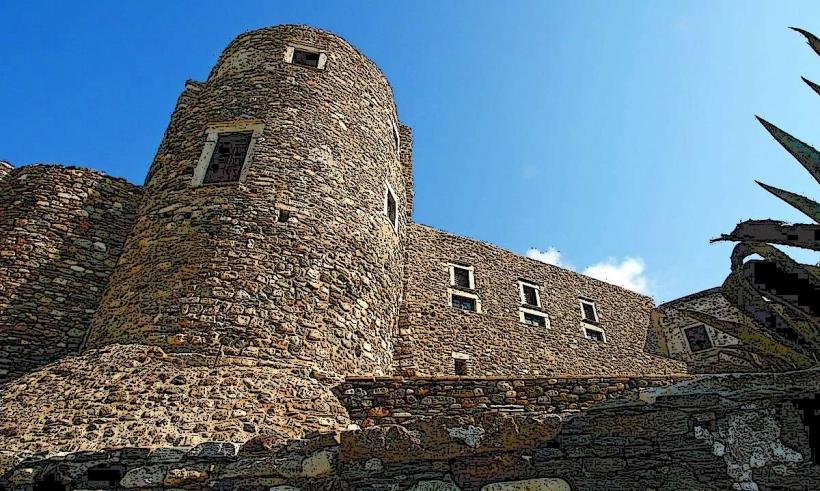
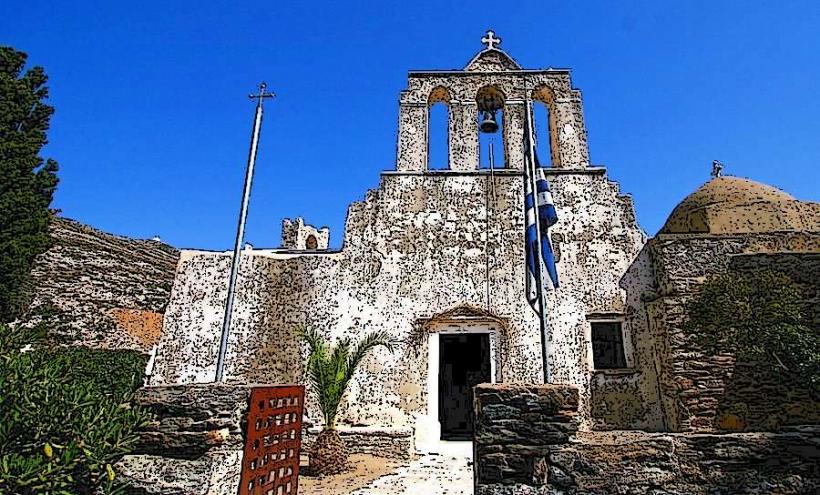
Bazeos Tower is a 17th-century fortified monastery located in the Tragea Valley, approximately 12 km from Naxos Town on the road to Filoti. It serves as a prominent landmark of post-Byzantine architecture and currently functions as a cultural center.
Visual Characteristics
The structure is a typical Venetian-style pyrgos (tower), characterized by massive stone masonry, small defensive windows, and crenelated ramparts. Its form reflects a transition from a religious site to a secular fortress. The interior features vaulted stone halls and thick walls designed to withstand raids.
Location & Access Logistics
Position: Isolated on the main island road between Halki and Filoti.
Transit: Accessible via the KTEL bus line serving the mountain villages; request a stop specifically for the tower.
Vehicle Access: Located directly on the paved highway with a dedicated roadside parking area.
Hours: Typically open June through September (10:00–17:00). Closed during winter months except for special events.
Entry: Paid admission during the summer festival season.
Historical Origin
Built circa 1600, the tower originally functioned as the Monastery of the Holy Cross (Timios Stavros). In the late 19th century, after the monastery was abandoned, the site was purchased by the Bazeos family, who repurposed it as a private residence. Since 2001, it has undergone extensive restoration to host the annual Naxos Festival.
Key Highlights & Activities
Naxos Festival: A major cultural event held every July and August featuring international theater, music, and dance performances in the courtyard.
Art Exhibitions: The interior rooms host contemporary art installations that contrast with the medieval stone architecture.
Architecture: The defensive elements, including the "murder hole" (zematistra) above the entrance, remain intact.
Infrastructure & Amenities
Facilities: A small gift shop and temporary restroom facilities during the festival.
Accessibility: Low; the interior involves steep, narrow stone stairs and uneven flooring.
Connectivity: 5G signal is stable.
Climate: The thick stone walls provide natural cooling, though the outdoor performance space is highly exposed to the sun.
Best Time to Visit
July & August: To attend a live performance during the festival.
Late Morning: For photography of the tower against the backdrop of the Tragea olive groves.
Facts & Legends
A verified historical fact is that the tower was built at a strategic inland location to protect the monks and the surrounding agricultural production from pirate incursions that plagued the Naxian coast. Local lore suggests the tower is connected to nearby Byzantine chapels via a network of footpaths used by monks to communicate during times of siege.
Nearby Landmarks
Halki Village: 2 km West.
Filoti Village: 3 km East.
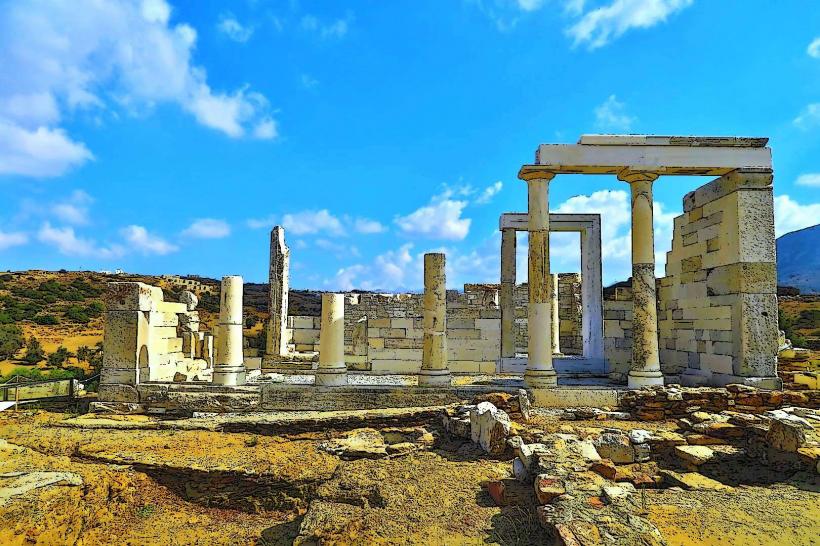
Temple of Demeter: 3 km South.