Information
Landmark: Temple of DemeterCity: Naxos
Country: Greece
Continent: Europe
Temple of Demeter, Naxos, Greece, Europe
The Temple of Demeter is a late Archaic temple located in the Gyroulas area near the village of Sangri. It is considered one of the most significant archaeological sites on Naxos due to its early use of marble and its role in the evolution of Greek architecture.
Visual Characteristics
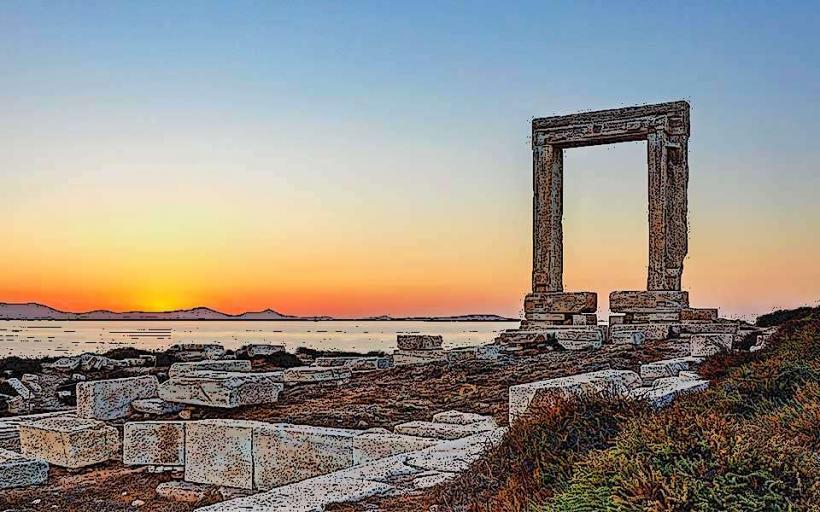
The temple is a rare example of a Telesterion (hall of initiation). It is constructed almost entirely of white Naxian marble. Its architecture is characterized by a square ground plan and an internal colonnade of five Ionic columns. The site has been partially restored using original fragments, allowing visitors to see the full height of the columns and the distinctive marble roof tiles that were designed to let light pass through.
Location & Access Logistics
Position: Approximately 10 km southeast of Naxos Town (Chora).
Transit: Accessible via the local bus line to Sangri, followed by a 1.5 km walk. Private vehicle or taxi is the most efficient method.
Access: Reached via a paved road leading to a dedicated parking area. A short, well-maintained stone path leads to the ruins.
Hours: Typically 08:30–15:30; closed on Tuesdays.
Entry: Paid admission (includes access to the on-site museum).
Historical Origin
Built around 530 BC, the temple is contemporary with the Portara. It was dedicated to Demeter, the goddess of agriculture and fertility, reflecting the fertility of the surrounding Sangri valley. In the 6th century AD, the temple was partially dismantled and converted into a Christian basilica. It remained in ruins until systematic excavations and restoration by German and Greek archaeologists in the 1990s.
Key Highlights & Activities
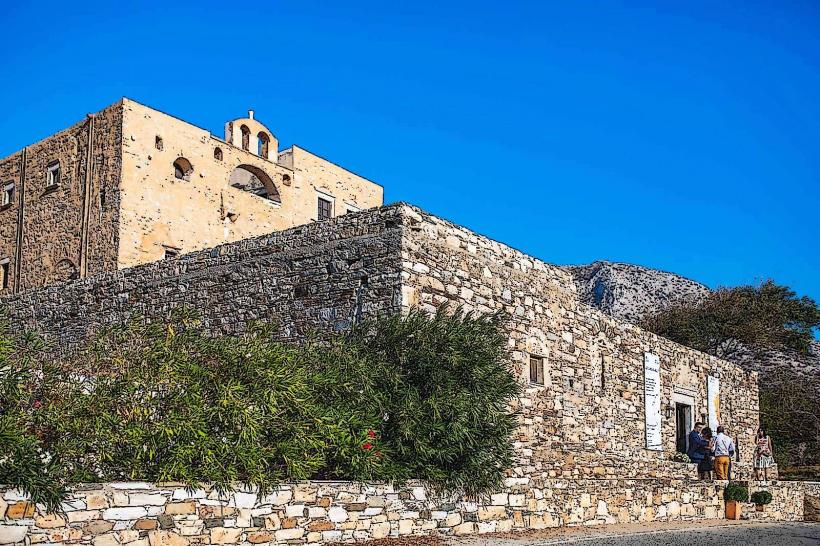
The Museum: An award-winning small museum on-site housing original marble sculptures, architectural members, and the remains of the early Christian church.
Restored Colonnade: The specific restoration allows for a clear view of how Ionic architecture functioned before the Classical period.
The Valley View: The temple is situated in a lush, fertile basin, providing a contrast to the typical dry Cycladic landscape.
Infrastructure & Amenities
Facilities: Restrooms and a small ticketing office are available.
Accessibility: Generally good; the paths are relatively flat compared to other Naxian archaeological sites.
Connectivity: 5G signal is stable but may fluctuate in the museum interior.
Signage: Detailed informational plaques provide historical context in multiple languages.
Best Time to Visit
Early Morning: To avoid the heat, as the site offers very little natural shade.
Spring: The surrounding valley is in full bloom, emphasizing the site's historical connection to the goddess of agriculture.
Facts & Legends
A verified architectural fact is that this temple is one of the earliest to use marble for its entire structure, including the roof, which predates the Parthenon's design by nearly a century. Legend and historical analysis suggest that the rituals performed here were linked to the Eleusinian Mysteries, focusing on the cycle of life and the harvest.
Nearby Landmarks
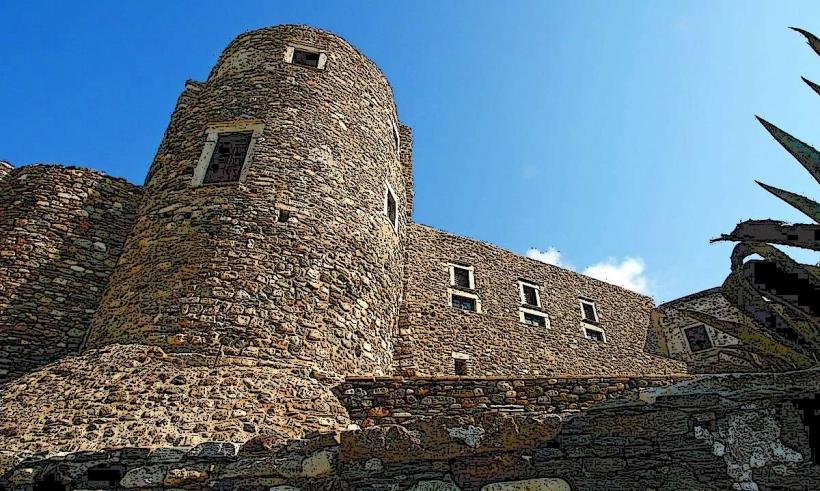
Sangri Village: 2 km North (features traditional architecture and towers).
Bazeos Tower: 3 km North.
Halki Village: 8 km Northeast.