Information
Landmark: Big Ole Viking StatueCity: Alexandria MN
Country: USA Minnesota
Continent: North America
Big Ole Viking Statue, Alexandria MN, USA Minnesota, North America
Big Ole Viking Statue – Alexandria, Minnesota (In Full Detail)
Introduction
The Big Ole Viking Statue is a towering fiberglass sculpture standing as a proud sentinel in Alexandria, Minnesota, right at the edge of Lake Agnes near the heart of the city. It is one of Minnesota’s most enduring roadside attractions, symbolizing the city’s controversial yet cherished claim to Viking ancestry, rooted in the story of the Kensington Runestone.
Physical Description
Height: 28 feet (8.5 meters) tall
Material: Fiberglass, mounted on a concrete base
Weight: Approx. 4 tons
Designer: Gordon Schumaker, a Minneapolis sculptor
Year Built: 1965
The statue portrays a traditional Viking warrior complete with:
A gold-hilted spear
A horned helmet (a historically inaccurate but iconic Viking trope)
A round shield painted red and white with the motto:
"Alexandria: Birthplace of America"
A knee-length tunic, leather-style belt, and boots
Big Ole faces north, as if guarding the land, echoing both legend and local pride.
Historical Background
Origins and the World’s Fair
Big Ole was commissioned as part of Minnesota’s exhibit at the 1965 New York World’s Fair. The statue was meant to represent the state’s Nordic heritage and promote the idea that Vikings were the first Europeans to explore America, long before Columbus.
After the fair ended, Big Ole was brought to Alexandria - the heart of this Viking-America narrative - and became a permanent fixture there.
The Kensington Runestone Connection
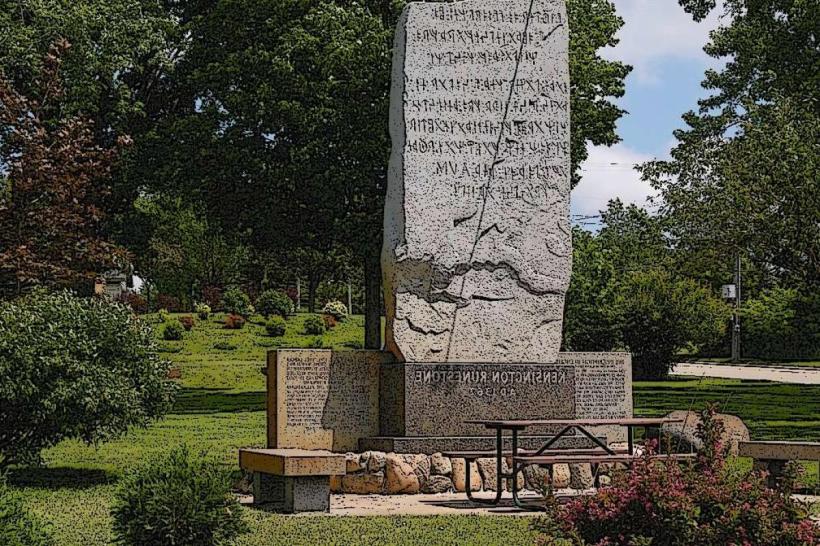
Big Ole’s very existence stems from the local significance of the Kensington Runestone, an artifact allegedly discovered in 1898 near Kensington (just 15 miles southwest of Alexandria). The stone bears runic inscriptions claimed to date back to 1362, suggesting Norse explorers traveled inland to Minnesota over a century before Columbus reached the Americas.
While mainstream scholars have widely discredited the stone as a hoax, local belief in its authenticity persists, and it remains a cultural cornerstone for the Alexandria area.
Big Ole was erected to personify this belief - a proud Viking whose gaze suggests conquest and guardianship over the supposed Viking legacy in Minnesota.
Relocation and Structural Changes
Over the years, Big Ole has undergone several moves and renovations:
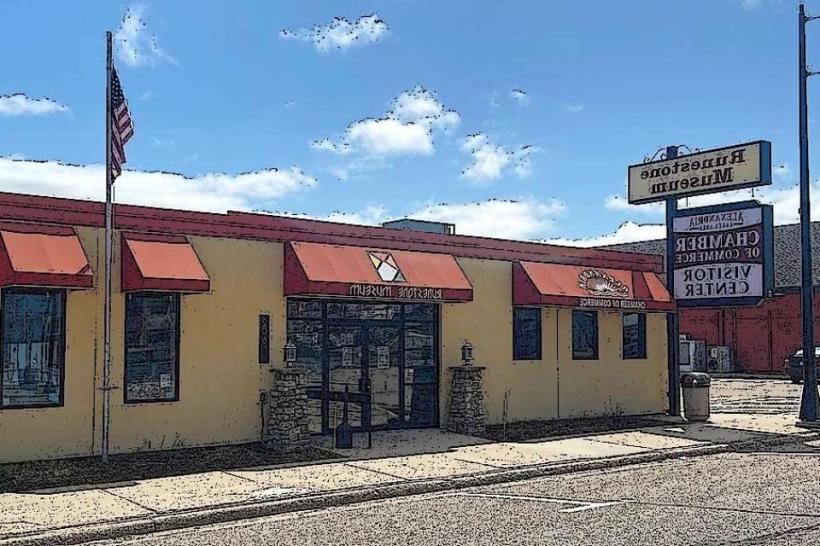
Original placement was near the Runestone Museum, where the Kensington Runestone is displayed.
In the 1980s, he was moved to the lakeside park along North Broadway Street near Lake Agnes, offering more visibility and scenic surroundings.
In 1995, strong winds toppled him, causing severe damage. He was repaired and restored with community fundraising efforts.
Since then, the city has ensured his preservation with routine maintenance and occasional repainting.
Today’s Setting
Big Ole now resides in a small public green space known as Big Ole Central Park, which features:
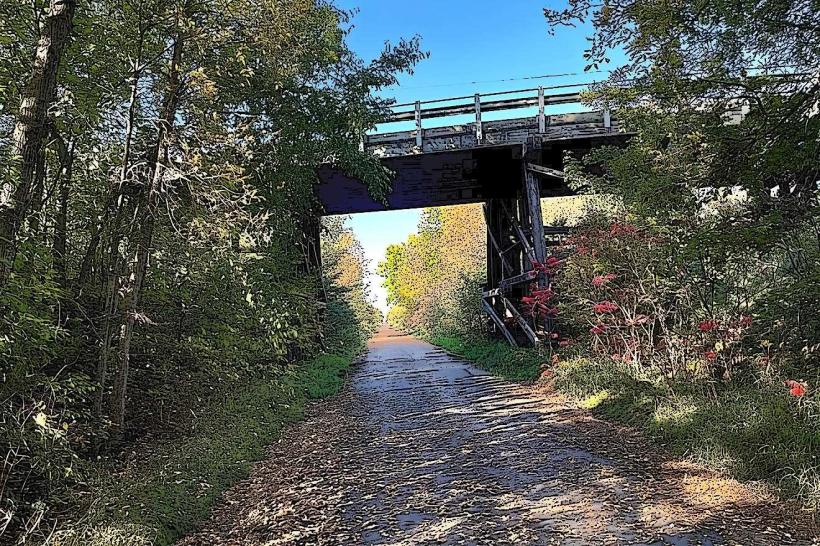
Access to the Central Lakes Trail (a 55-mile bike and walking trail)
Views over Lake Agnes
Benches, flower beds, picnic areas
Nearby parking and public restrooms
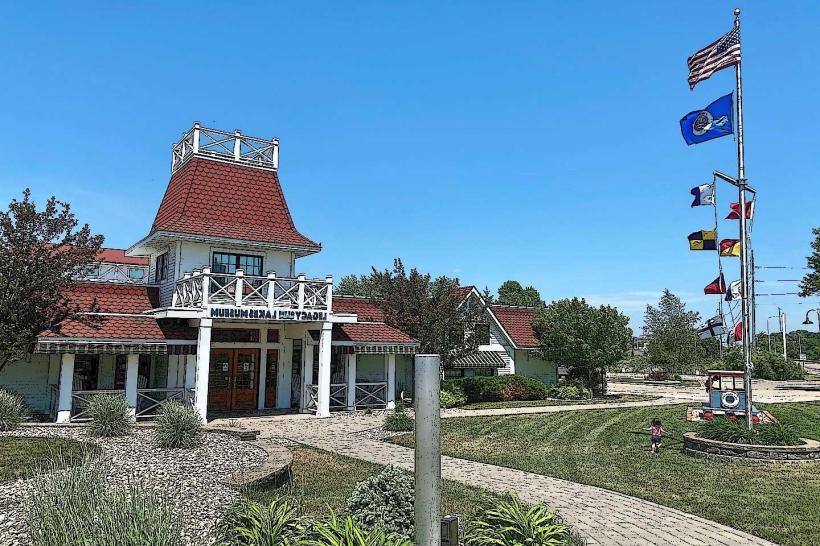
Proximity to the Runestone Museum, Legacy of the Lakes Museum, and Historic Downtown Alexandria
The statue is a year-round attraction, with the area around it used for festivals, markets, and community events.
Local Identity & Cultural Impact
For the city of Alexandria, Big Ole is more than just a statue. He is the mascot and icon of the town’s Nordic-themed heritage and the spirit of discovery. He regularly features in:
City branding, logos, souvenirs, and postcards
Community events, including Vikingland Band Festival and Douglas County Fair
Seasonal displays - for example, he’s been adorned with scarves during winter or masks during the pandemic
Local tourism promotions and travel blogs highlighting quirky Americana
Controversy & Legacy
Despite his popularity, Big Ole also carries a degree of historical controversy. The motto "Birthplace of America" refers to a theory unsupported by most historians. Critics argue that it reflects wishful thinking more than fact, and that it overshadows Indigenous histories and archaeological accuracy.
Still, for residents and visitors alike, Big Ole is not about strict historical correctness. He is a folk hero - a bold expression of community imagination, pride, and cultural storytelling.
Visitor Tips
Photography: Best lighting for photos is late afternoon, with the lake behind Big Ole.
Pair Visit: Combine a stop here with a visit to the Runestone Museum across the street.
Events: Check if your visit coincides with local Viking-themed events or downtown festivals.
Winter Months: The statue remains accessible, though the lake and trail may be snow-covered.
Big Ole stands not just as a fiberglass figure, but as a symbol of Alexandria’s community identity - rooted in legend, embraced in pride, and maintained through generations. He’s a towering invitation to ponder the myths we hold, the stories we share, and the ways small towns create lasting landmarks.