Information
Landmark: Cacela VelhaCity: Algarve
Country: Portugal
Continent: Europe
Cacela Velha, Algarve, Portugal, Europe
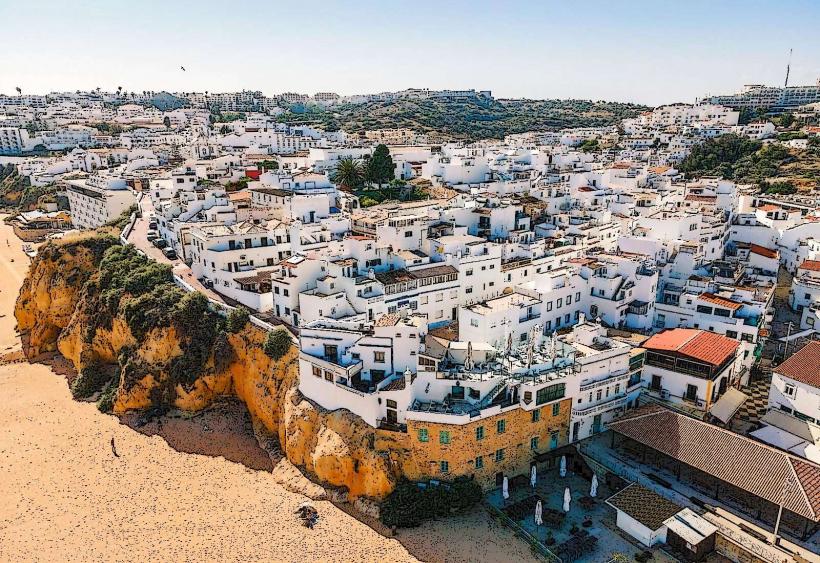
Cacela Velha is a historic village situated on a fossil cliff overlooking the Ria Formosa lagoon in the eastern Algarve (Vila Nova de Cacela). It is a low-density urban settlement preserved in a traditional architectural state.
Visual Characteristics
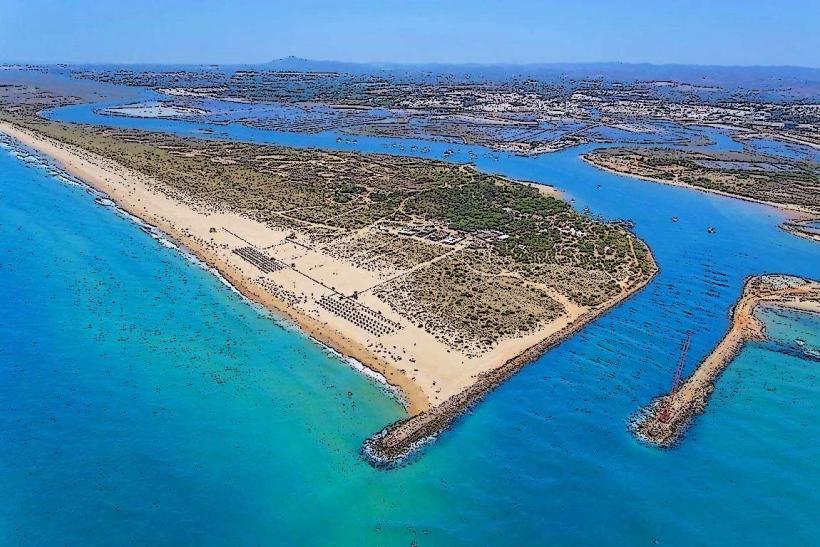
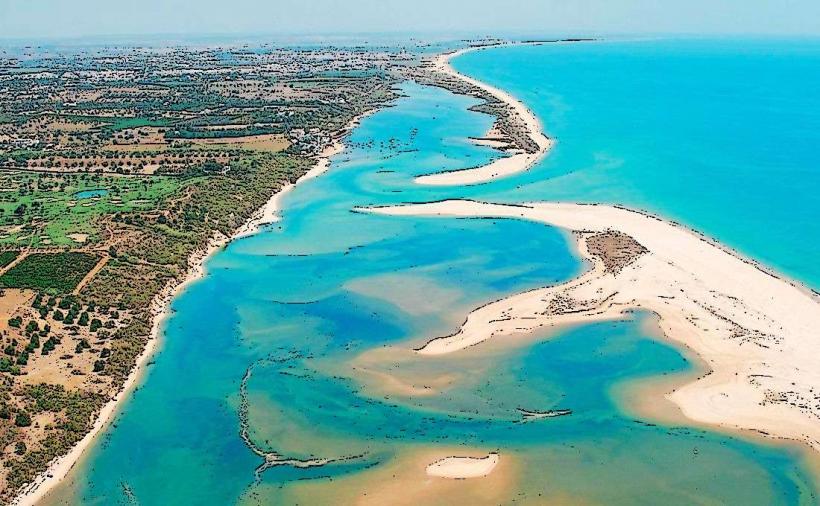
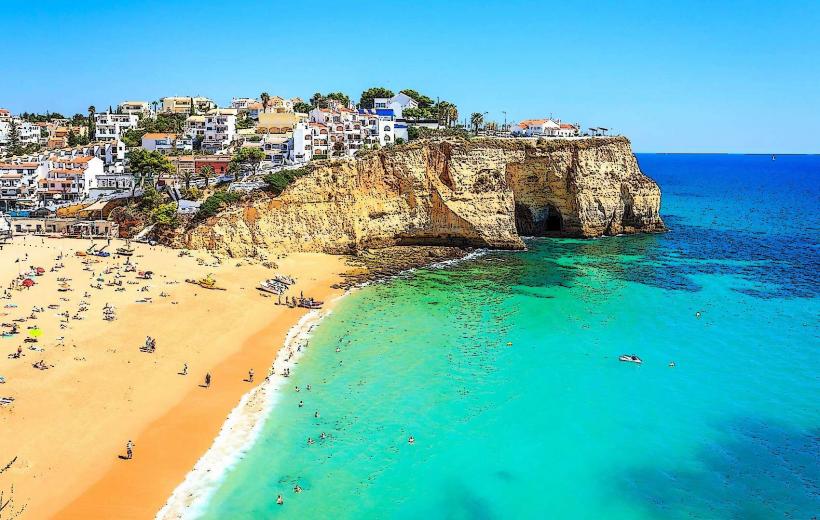
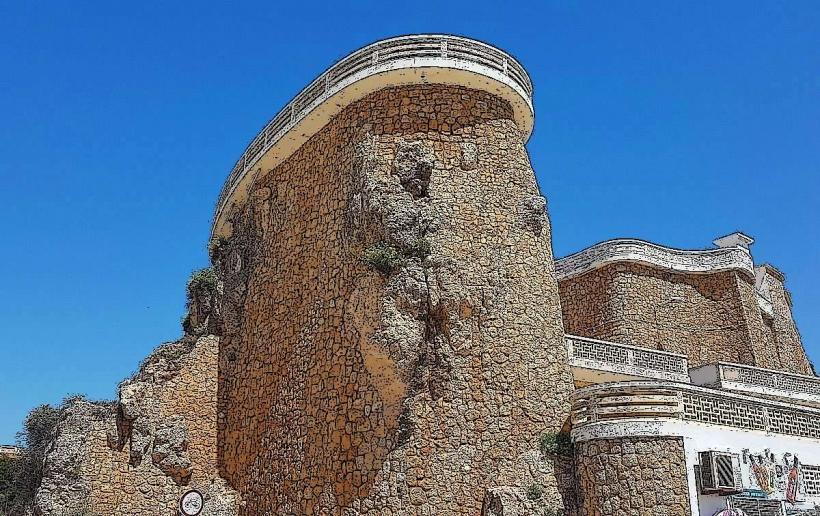
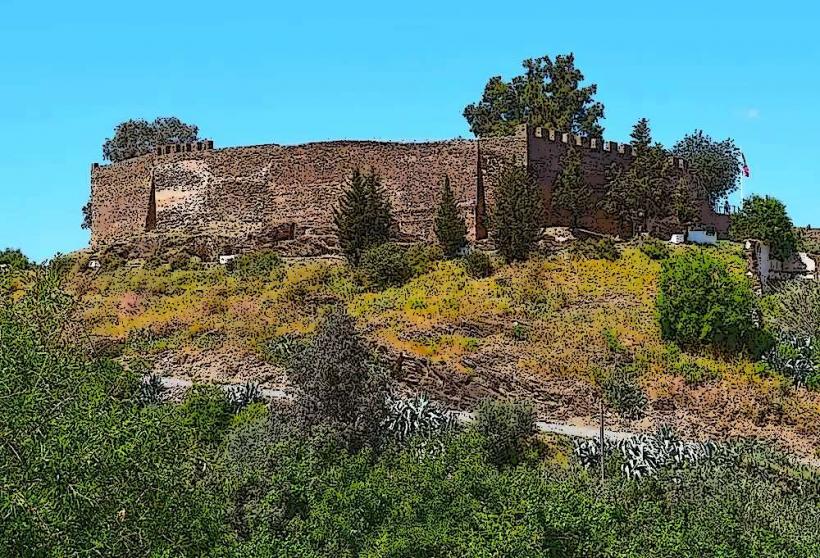
The village is defined by white-washed houses with cobalt-blue borders, traditional chimneys, and a central square paved in limestone. The perimeter is bounded by a low-profile fortress and a medieval church. To the south, the site drops sharply toward the Atlantic, providing a high-fidelity view of the shifting sandbars and lagoons of the Ria Formosa Natural Park.
Location & Access Logistics
Located at Cacela Velha, 8900 Vila Nova de Cacela.
Public Transport: Limited. The Conceição/Vila Nova de Cacela train station is 2km north. Buses are infrequent.
Road: Accessible via the N125 or A22.
Parking: A small, high-density unpaved lot is located at the village entrance. Vehicle access within the historic core is restricted to residents.
Beach Access: At low tide, the barrier islands are reachable by wading across the lagoon from the base of the cliff. In summer, small boats operate a shuttle service from the shore.
Historical & Ecological Origin
The site has Roman and Arab origins (originally known as Hisn Qastalla). It was a strategic defensive point for the Guadiana estuary. The current structure of the village dates largely to the post-1755 earthquake reconstruction. Ecologically, it sits at the eastern terminus of the Ria Formosa, a high-biodiversity wetland system. The area is a primary habitat for the Mediterranean chameleon and various migratory shorebirds.
Key Highlights & Activities
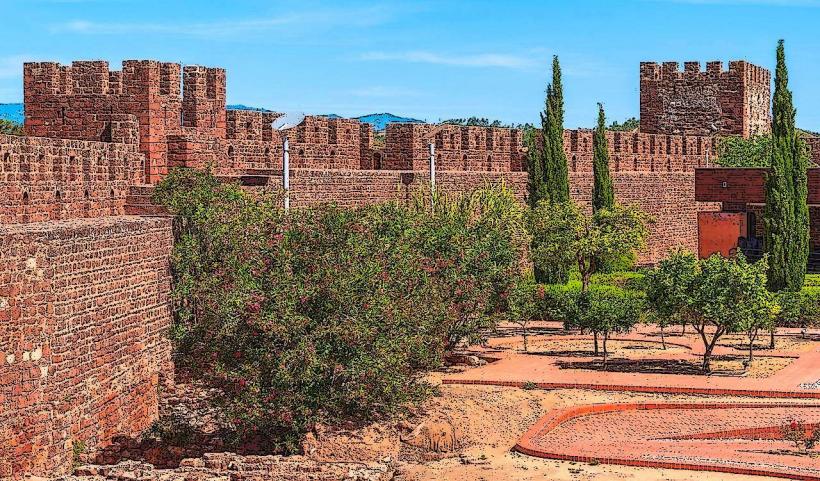
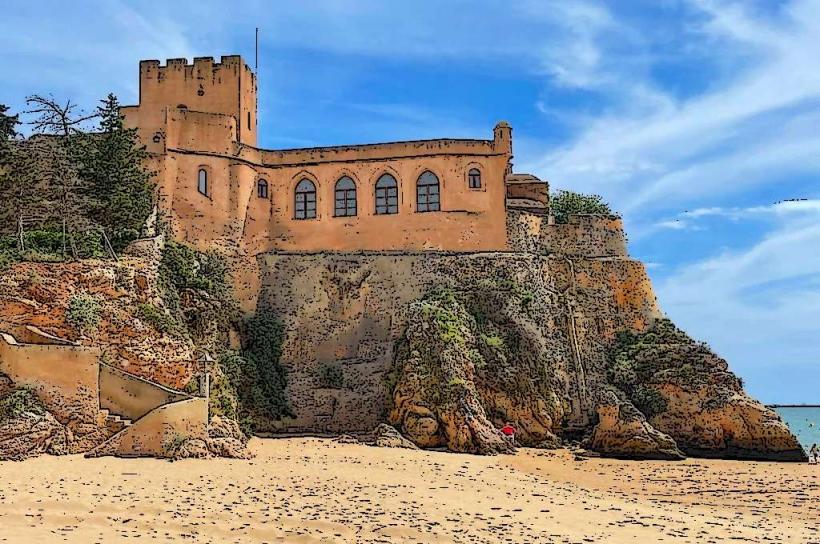
Fortress of Cacela: A 17th-century bastion fort (rebuilt after 1755). It currently serves as a station for the National Republican Guard (GNR); the interior is typically closed to the public, but the exterior ramparts are accessible for panoramic views.
Igreja de Nossa Senhora da Assunção: A medieval church with a Renaissance portal (16th century).
The Miradouro: The square in front of the church offers a high-fidelity vantage point over the Atlantic and the barrier islands.
Oysters and Gastronomy: The village is noted for local seafood, specifically high-density production of oysters and clams from the Ria Formosa.
Infrastructure & Amenities
The village contains a limited number of high-demand restaurants and cafes. Public restrooms are located near the church. 5G cellular coverage is available but can be attenuated by the thick masonry of the historic buildings.
Best Time to Visit
Optimal visits occur during Golden Hour (sunset) for photography. Avoid the mid-day period in July and August due to high solar intensity and parking saturation. Winter visits offer high-fidelity views of migratory bird patterns.
Facts & Legends
A verified historical fact is that Cacela was once a significant Islamic administrative center before being conquered by the Knights of the Order of Santiago in 1240. Legend suggests that the village's underground tunnels once connected the fort directly to the water's edge for secret supply missions.
Nearby Landmarks
Manta Rota Beach: 2km East.
Fabrica Beach: 1.5km West.
Tavira: 12km West.
Vila Real de Santo António: 10km East.