Information
Landmark: Çal CaveCity: Trabzon
Country: Turkey
Continent: Asia
Çal Cave, Trabzon, Turkey, Asia
Çal Cave is a large karst cave located in the Yomra district of Trabzon, Turkey.
It is one of the longest caves in Turkey, extending approximately 1,025 meters into the mountainside.
Visual Characteristics
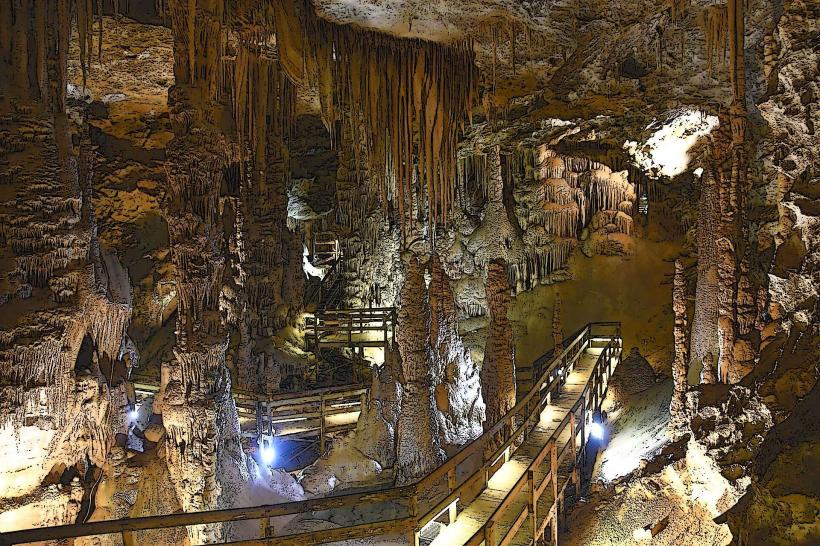
The cave entrance is a wide opening in a limestone cliff face. Inside, the cave features stalactites, stalagmites, and natural rock formations. A stream flows through the lower section of the cave, with a wooden walkway constructed alongside it for visitor access. The cave walls are primarily composed of limestone, with varying shades of grey and brown.
Location & Access Logistics
Çal Cave is situated approximately 27 kilometers southwest of Trabzon city center. Access is via the D010 highway towards Yomra, then following local signage for Çal Mağarası. The final approach involves a paved road leading to a dedicated parking area at the cave entrance. Public transport options are limited; a taxi or private vehicle is the most direct method of access. Bus services operate from Trabzon to Yomra, requiring a subsequent taxi or walk to the cave.
Historical & Ecological Origin
Çal Cave is a natural formation, developed over millions of years through the dissolution of limestone by water. It is classified as a karst cave. Archaeological evidence suggests human habitation within the cave dating back to the Ottoman period, primarily as a shelter or storage area.
Key Highlights & Activities
Visitors can walk along the designated pathway through the cave. The stream within the cave is accessible for observation. Photography is permitted. Guided tours are available, detailing the cave's geological features and historical context.
Infrastructure & Amenities
Restrooms are available at the cave entrance. Shaded seating areas are provided near the parking lot. Cell phone signal (4G) is generally available at the entrance and in the immediate vicinity. Food vendors are present at the cave entrance, offering local snacks and beverages.
Best Time to Visit
The cave maintains a consistent temperature year-round, making it accessible in any season. For optimal lighting conditions for photography within the cave, artificial lighting is provided. The exterior area is most pleasant during spring (April-May) and autumn (September-October) due to moderate temperatures. No tide considerations apply.
Facts & Legends
Local folklore suggests that the cave was used as a hiding place during times of conflict. A specific geological feature within the cave, a large stalagmite formation, is locally referred to as the "Weeping Stone" due to water seepage.
Nearby Landmarks
- Uzungöl Lake (15km Southeast)
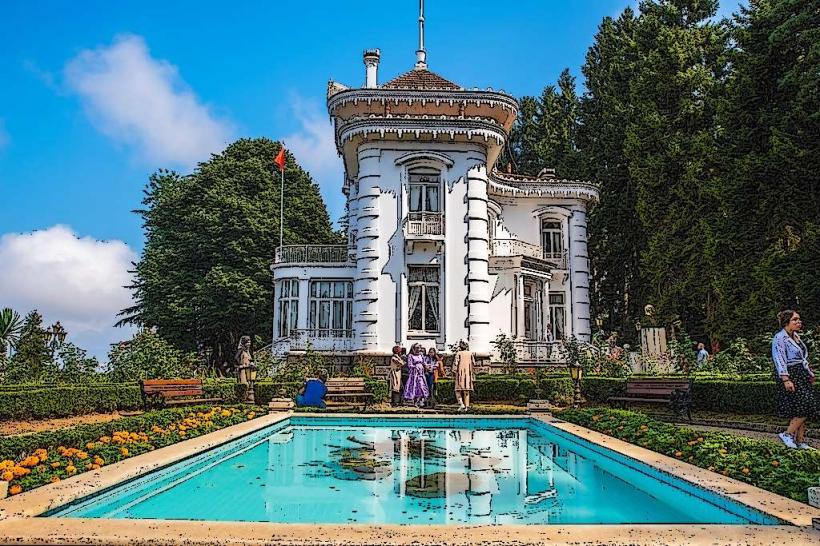
- Atatürk Köşkü Museum (25km West)
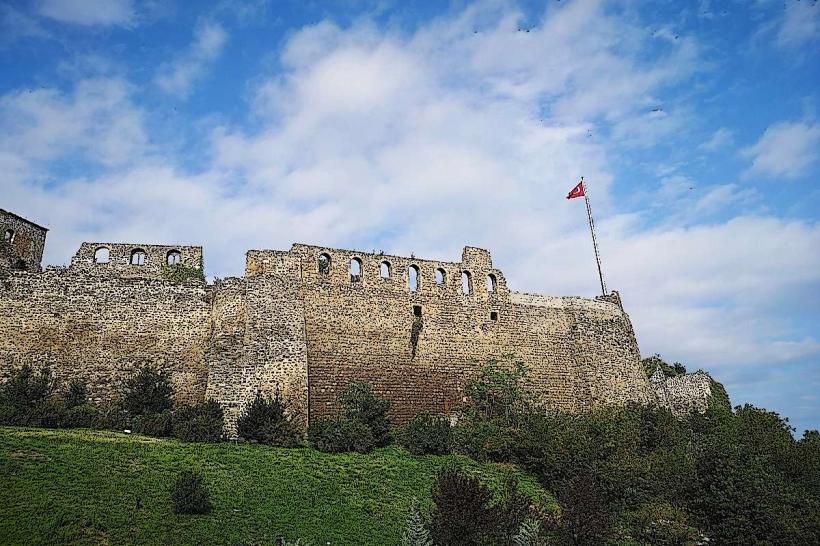
- Trabzon Castle (28km West)
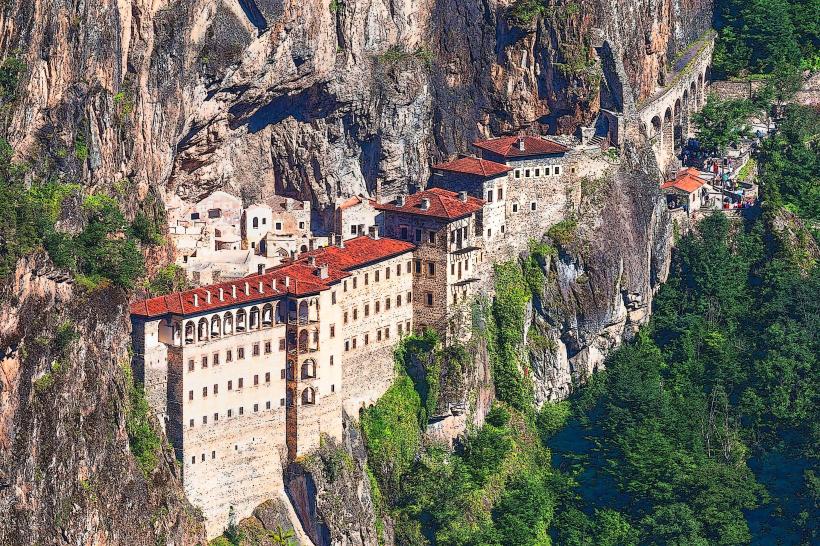
- Sumela Monastery (50km Southwest - outside 5km radius, but significant)