Information
Landmark: Kaymakli MonasteryCity: Trabzon
Country: Turkey
Continent: Asia
Kaymakli Monastery, Trabzon, Turkey, Asia
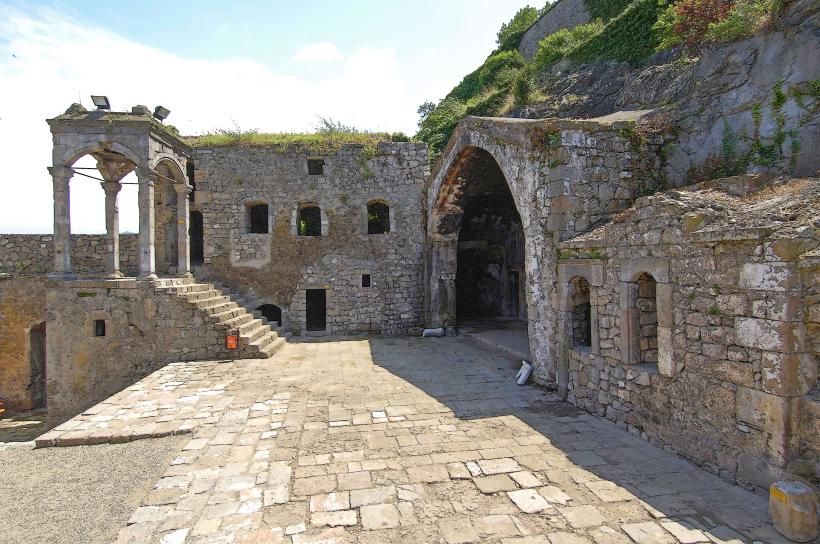
Kaymakli Monastery is a historic religious site located in the Ortahisar district of Trabzon, Turkey.
This complex comprises a church and monastic cells carved into volcanic rock.
Visual Characteristics
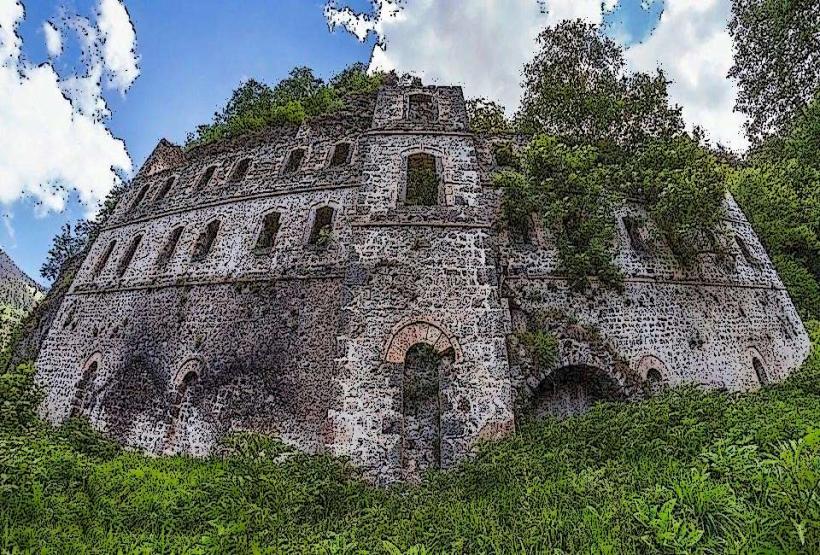
The monastery is primarily constructed from tuff, a volcanic rock, giving it a pale grey to beige coloration. The church features a barrel-vaulted ceiling and is adorned with frescoes depicting religious scenes. Monastic cells are simple, rectangular chambers excavated into the rock face. The overall structure is integrated into the natural landscape, with visible entrances and windows cut into the cliff.
Location & Access Logistics
Kaymakli Monastery is situated approximately 3 kilometers south of Trabzon's city center. Access is via the D010 highway, turning onto local roads leading towards the Ortahisar district. Parking is available at designated points near the monastery entrance. Public transport options include local buses (dolmuş) operating from Trabzon's main bus terminal (Otogar) towards Ortahisar; disembark at the closest stop and proceed on foot for approximately 500 meters.
Historical & Ecological Origin
The monastery's origins date back to the 14th century, likely constructed by Byzantine monks. Its purpose was to serve as a religious retreat and place of worship. The site's formation is a result of volcanic activity in the region, with the tuff rock providing a malleable material for excavation.
Key Highlights & Activities
Exploration of the church interior and its surviving frescoes. Examination of the excavated monastic cells. Observation of the architectural integration with the natural rock formations.
Infrastructure & Amenities
Restrooms are available at the site. Limited shade is provided by natural rock overhangs. Cell phone signal (4G/5G) is generally available. Food vendors are not present directly at the monastery; options are available in the nearby Ortahisar town center.
Best Time to Visit
For optimal lighting on the frescoes, visit during mid-morning or late afternoon. The months of April through October offer the most favorable weather conditions for exploration. No tide-specific considerations apply.
Facts & Legends
A local legend suggests that the monastery was a refuge for monks during periods of conflict, with its concealed location offering protection. The frescoes, though partially damaged, provide valuable insight into Byzantine religious art of the period.
Nearby Landmarks
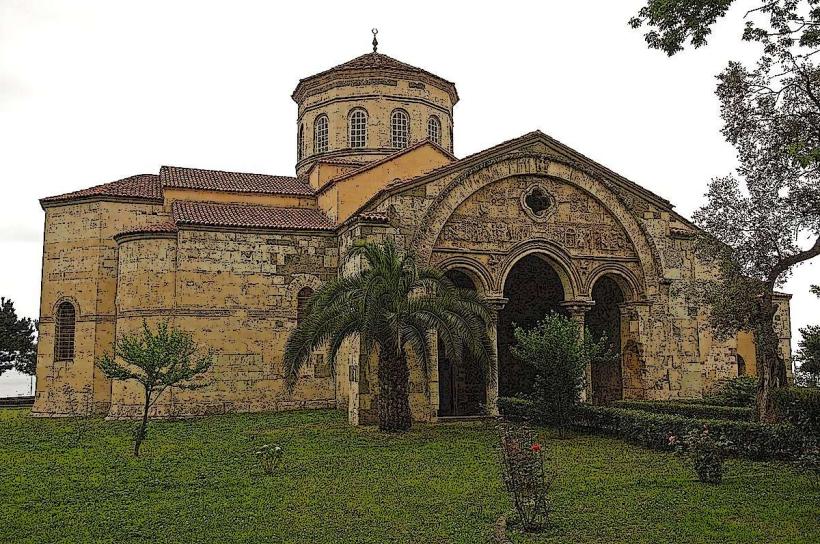
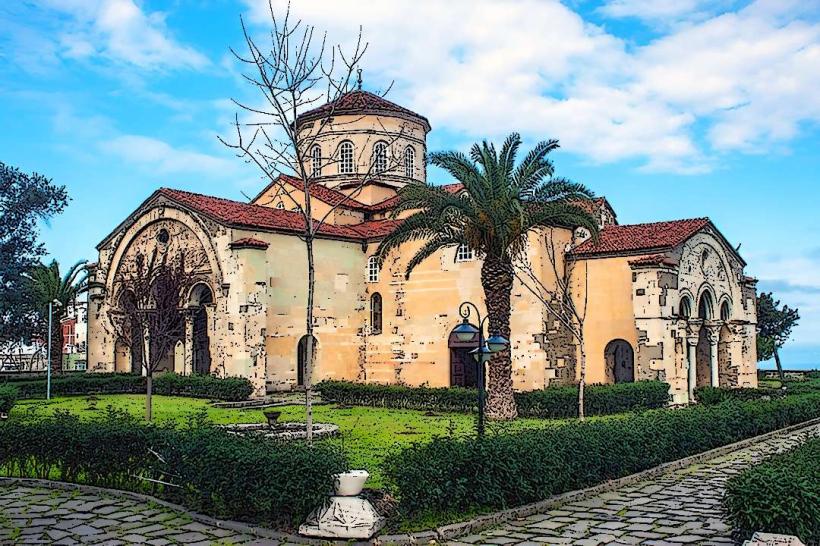
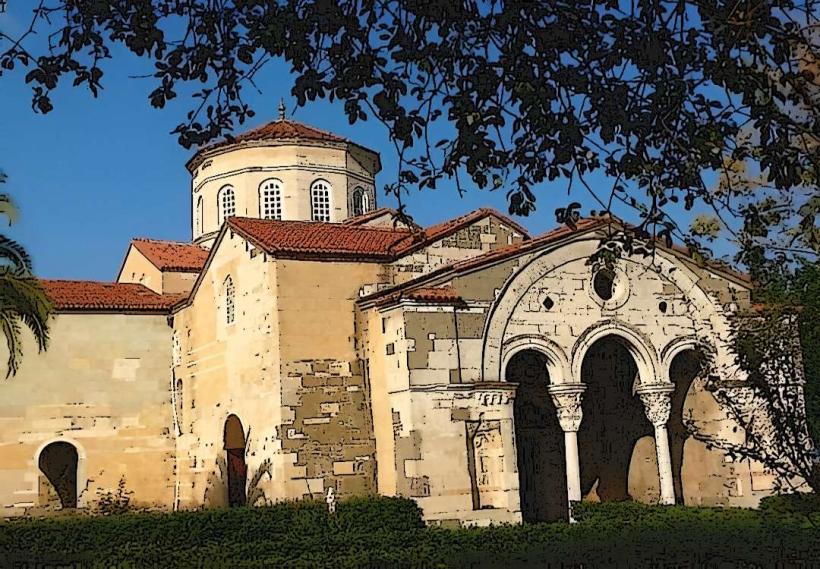
- Trabzon Hagia Sophia Museum (2.5km Northwest)
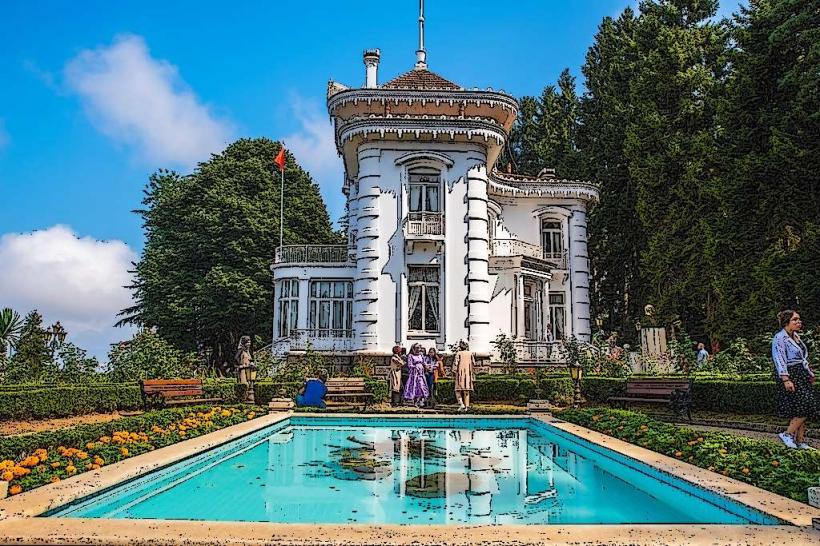
- Atatürk Köşkü (Atatürk Mansion) (3.8km West)
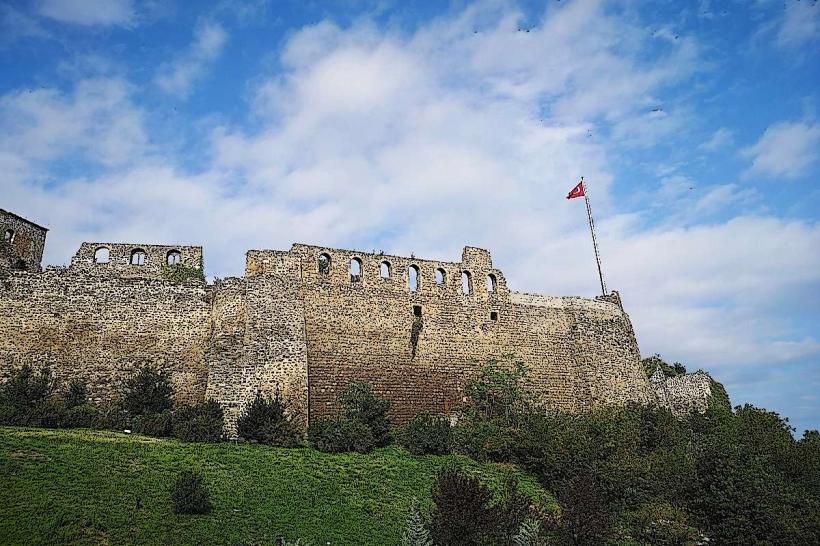
- Trabzon Castle (3.1km North)
- Vazelon Monastery (Ruins) (15km Southeast)
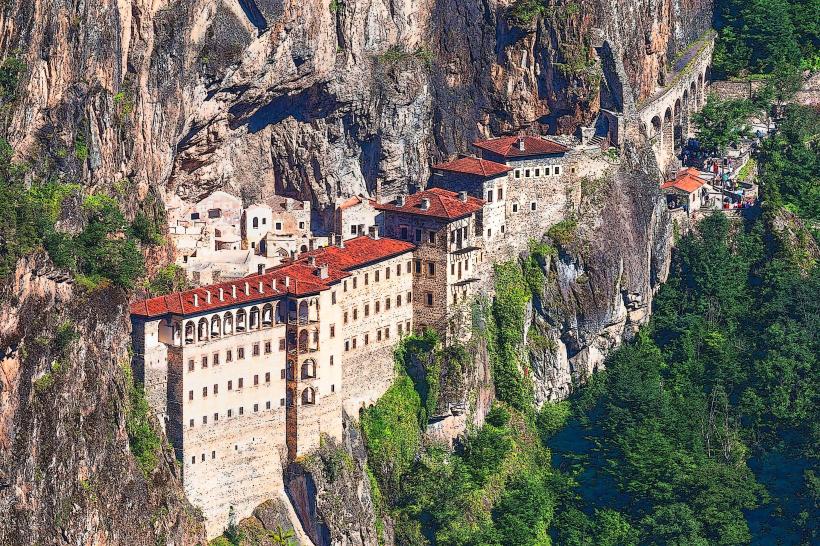
- Sumela Monastery (45km Southwest)