Information
Landmark: Cerro Cahuí Nature ReserveCity: Flores
Country: Guatemala
Continent: North America
Cerro Cahuí Nature Reserve, Flores, Guatemala, North America
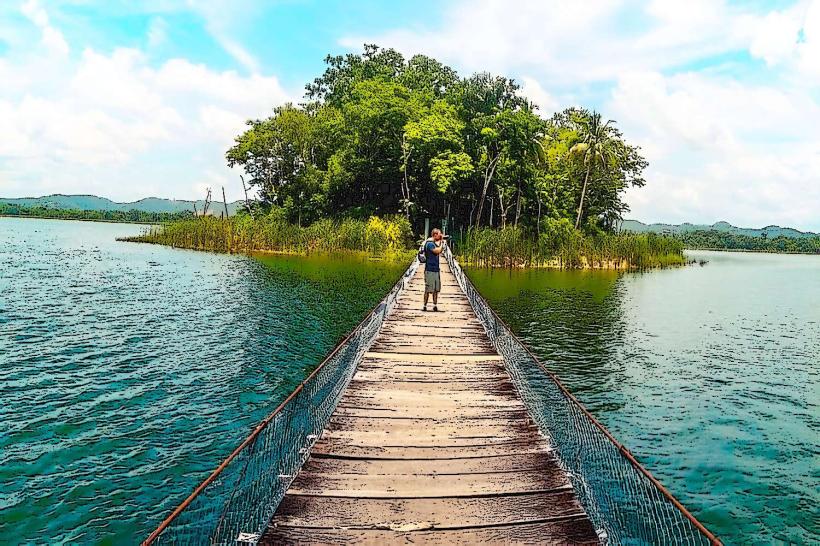
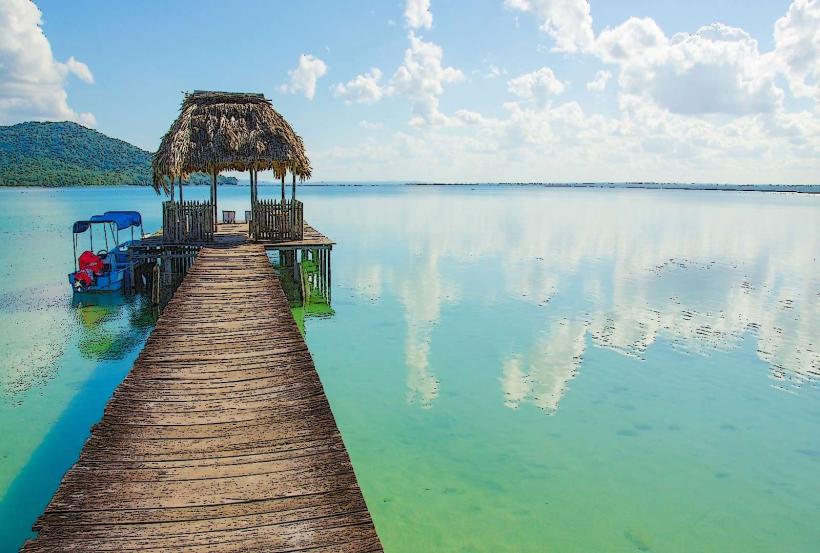
Cerro Cahuí Nature Reserve is a protected area situated on the northern shore of Lake Petén Itzá, adjacent to the town of Flores, Guatemala.
Visual Characteristics
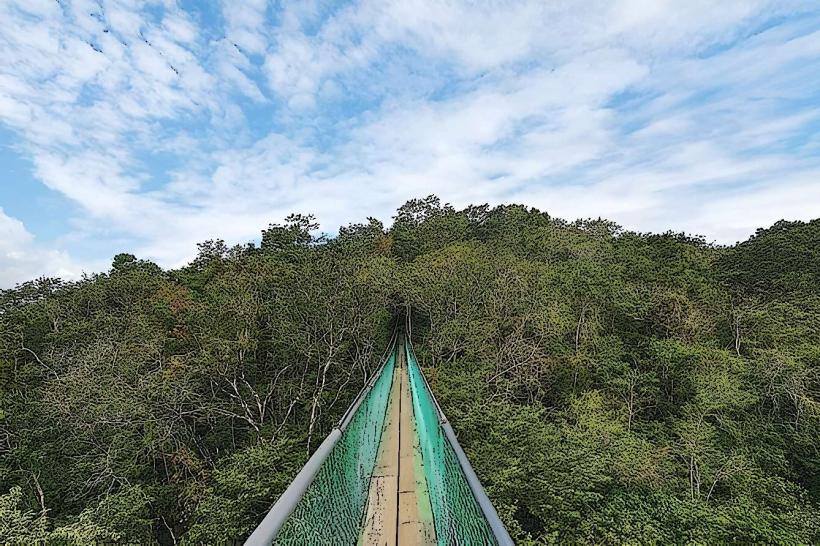
The reserve features a limestone hill covered in tropical deciduous forest. The vegetation is characterized by a mix of mature trees, including ceiba and mahogany, with an understory of shrubs and ferns. The terrain is uneven, with rocky outcrops and steep inclines. The lake shore within the reserve's boundaries consists of a narrow band of vegetation meeting the water.
Location & Access Logistics
Cerro Cahuí Nature Reserve is located approximately 5 kilometers west of Flores. Access is via the CA-13 highway, turning south onto the unpaved road leading to the reserve entrance. The drive from Flores town center is approximately 15 minutes. Parking is available at the reserve's main entrance. Public transport options are limited; local taxis or private vehicles are the primary means of access.
Historical & Ecological Origin
The reserve was established to protect the remaining forest habitat and its associated biodiversity, particularly the habitat of the endangered Guatemalan black howler monkey. Ecologically, it represents a fragment of the Maya Forest ecosystem, characterized by its limestone geology and seasonal dry forest conditions.
Key Highlights & Activities
Hiking is the primary activity, with marked trails leading to the summit of Cerro Cahuí. The summit offers elevated viewpoints over Lake Petén Itzá. Birdwatching is also a significant activity due to the diverse avian population. Observation of howler monkeys is possible, especially during early morning and late afternoon.
Infrastructure & Amenities
Basic infrastructure includes marked trails and a small visitor reception area at the entrance. Restrooms are available at the entrance. Shade is provided by the forest canopy along the trails. Cell phone signal is intermittent within the reserve.
Best Time to Visit
The best time of day for wildlife observation, particularly for howler monkeys, is early morning (6:00 AM - 9:00 AM) and late afternoon (4:00 PM - 6:00 PM). The dry season, from November to April, offers more predictable weather conditions for hiking. The wet season (May to October) can result in muddy trails.
Facts & Legends
Local lore suggests that the hill was a sacred site for ancient Maya communities, used for astronomical observations. A specific tip for visitors is to listen for the distinctive roar of the howler monkeys, which can be heard from a considerable distance, often indicating their presence before they are seen.
Nearby Landmarks
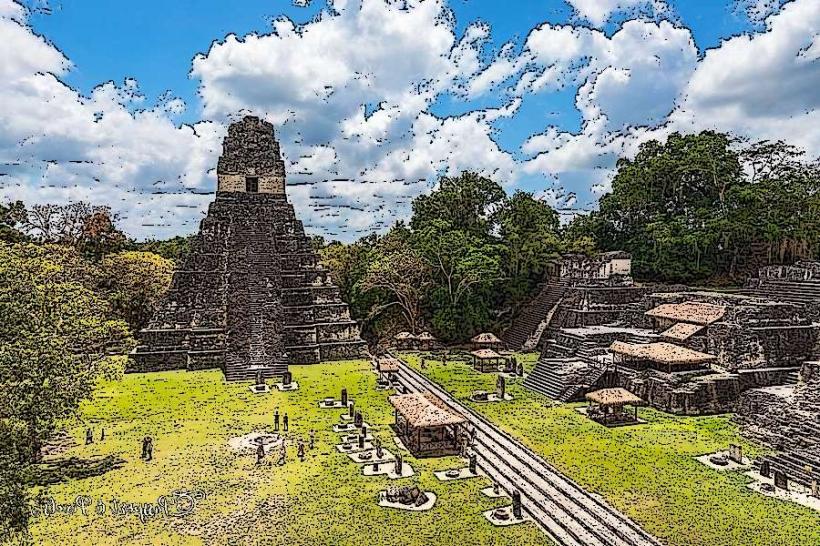
- Tikal National Park (16km Southeast)
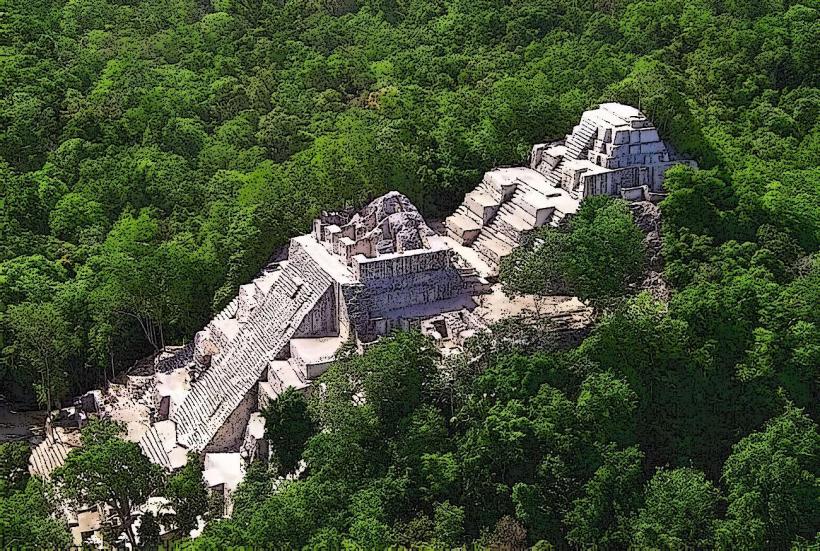
- Yaxha-Nakum-Naranjo National Park (45km East)
- Island of Flores (5km East)
- Arco de Santa Catalina (5km East)
- Jorge's Rope Swing (3km East)