Information
Landmark: Chele La PassCity: Paro
Country: Bhutan
Continent: Asia
Chele La Pass, Paro, Bhutan, Asia
Chele La Pass is a high mountain pass situated in the Haa District of Bhutan, west of Paro.
It is recognized as the highest motorable pass in Bhutan.
Visual Characteristics
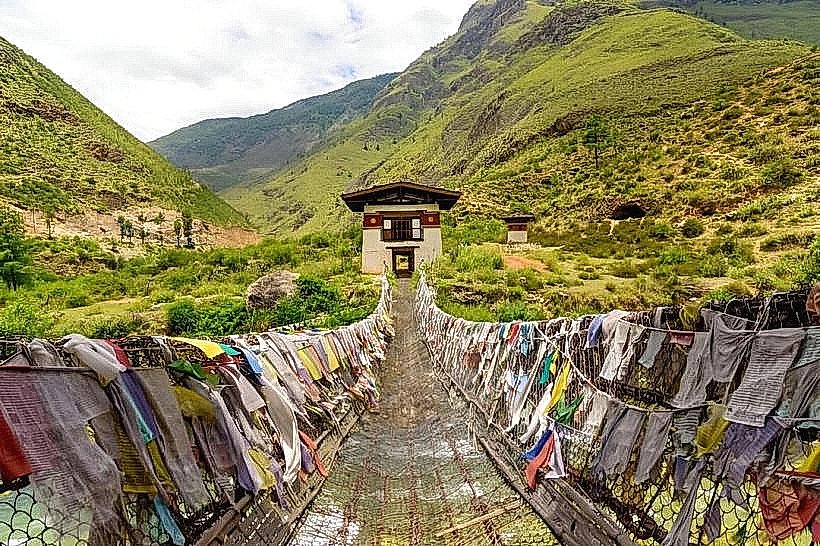
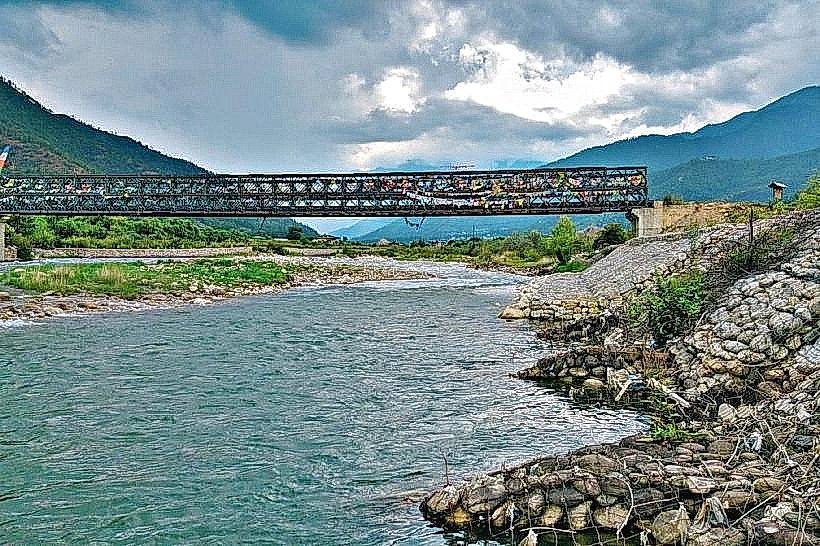
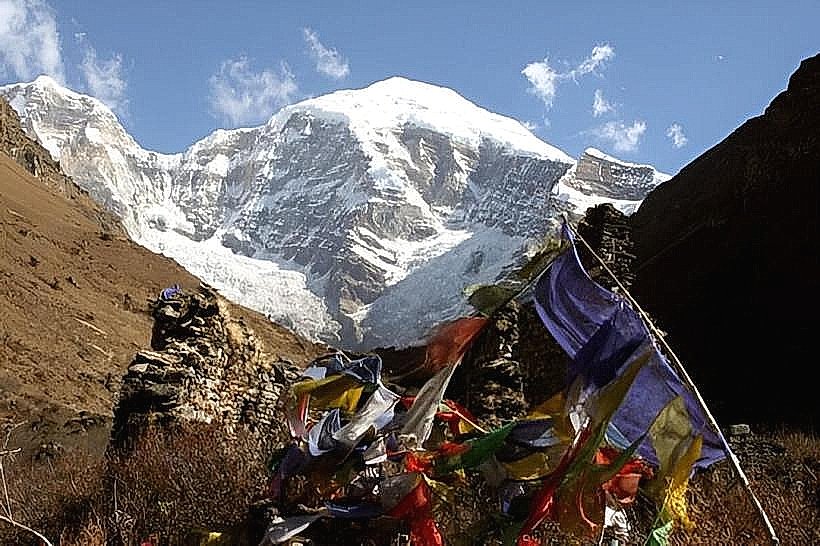
The pass is characterized by sparse alpine vegetation, primarily consisting of rhododendron bushes and small conifers. The terrain is rocky, with exposed earth and gravel. Prayer flags are prominently displayed along the pass. The surrounding mountains are typically snow-capped during winter months. The sky is generally clear, offering extensive visibility of the Himalayan range.
Location & Access Logistics
Chele La Pass is located approximately 35 kilometers west of Paro town. The drive from Paro takes roughly 1.5 hours via the Chele La Pass Road (also known as the Haa Valley Road). The road is paved but can be narrow and winding. Parking is available at designated pull-off areas near the summit. No public transport directly serves the pass; private vehicles or taxis are the primary means of access.
Historical & Ecological Origin
The pass's ecological origin is a high-altitude alpine environment, shaped by glacial activity and erosion over millennia. The area is classified as a temperate forest ecosystem. Historically, it served as a traditional route connecting the Paro and Haa valleys. The construction of the motorable road was completed in the late 20th century to facilitate easier travel between the two districts.
Key Highlights & Activities
Visitors can observe the panoramic views of the surrounding mountain ranges, including Mount Jomolhari. Photography is a primary activity due to the expansive vistas. Short walks along the ridge are possible. Prayer flags are a significant visual element. The pass is a point of interest for experiencing high-altitude conditions.
Infrastructure & Amenities
Basic amenities at the summit include a small tea shop selling local snacks and hot beverages. Restrooms are available. There is limited to no reliable cell phone signal (4G/5G) at the pass. Shade is minimal, primarily provided by the tea shop structure.
Best Time to Visit
The best time of day for photography is generally mid-morning to early afternoon for optimal lighting on the mountain peaks. The best months for weather are March through May and September through November, avoiding the monsoon season (June-August) and the harshest winter conditions (December-February). Snowfall can make the pass inaccessible during winter.
Facts & Legends
A unique local belief is that the pass is a sacred site, and the prayer flags are flown to send prayers on the wind to all corners of the world. It is also said that the pass is guarded by spirits, and travelers should offer respect.
Nearby Landmarks
- Kila Nunnery (0.8km West)
- Haa Valley (15km West)
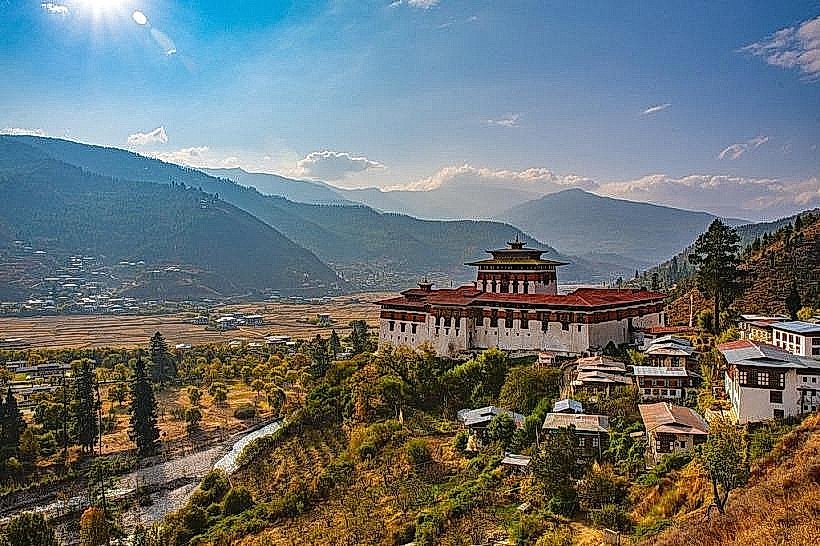
- Paro Dzong (35km East)
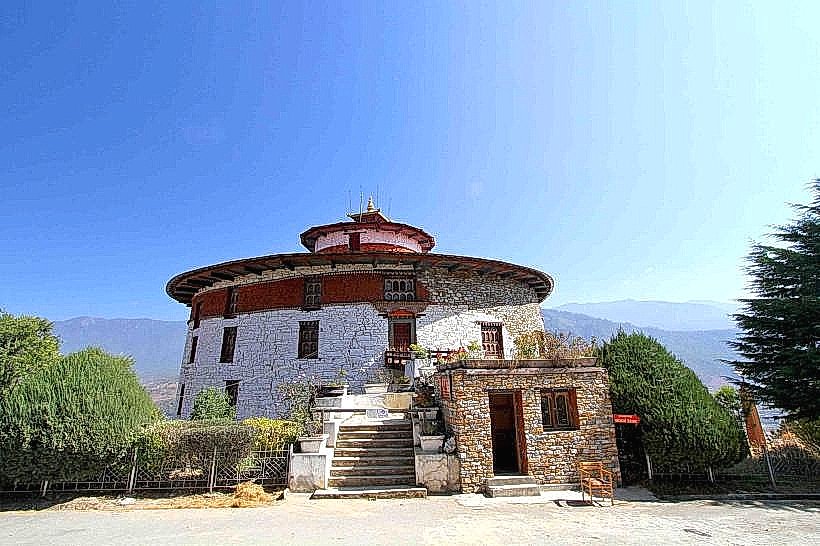
- National Museum of Bhutan (36km East)
- Kyichu Lhakhang (38km East)