Information
Landmark: Jomolhari Base CampCity: Paro
Country: Bhutan
Continent: Asia
Jomolhari Base Camp, Paro, Bhutan, Asia
Jomolhari Base Camp is a trekking destination situated in the Paro District of Bhutan. It serves as a staging point for expeditions to Mount Jomolhari.
Visual Characteristics
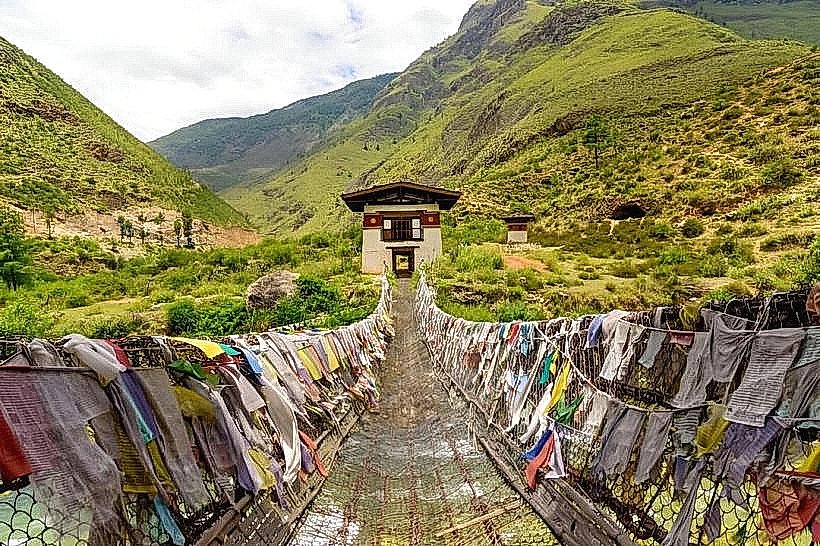
The camp is situated in a high-altitude alpine meadow. Surrounding terrain consists of rocky slopes and scree. Vegetation is sparse, primarily consisting of alpine grasses and low-lying shrubs. The dominant geological feature is the imposing presence of Mount Jomolhari, a snow-capped peak.
Location & Access Logistics
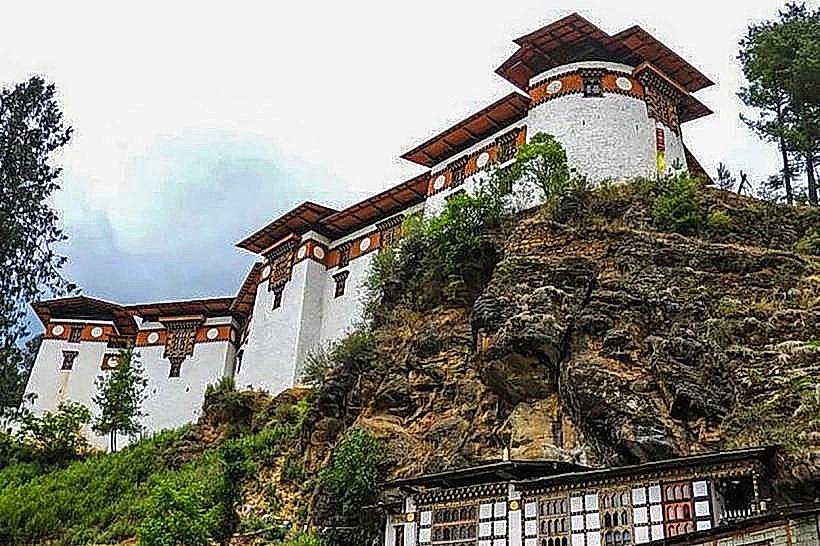
Access to Jomolhari Base Camp is exclusively via multi-day trekking. The standard route originates from Paro town. The trek typically begins at Drukgyel Dzong (approximately 15km north of Paro town) and proceeds through various campsites over 3-4 days. There are no roads directly to the base camp. No public transport is available for direct access. Parking is available at the trailhead near Drukgyel Dzong.
Historical & Ecological Origin
Jomolhari Base Camp is an ecological zone within the Jigme Dorji National Park. The park was established in 1974 and expanded in 1993, covering 4,316 square kilometers. The area is characterized by glacial topography and alpine ecosystems. Mount Jomolhari itself is a sacred mountain in Bhutanese tradition.
Key Highlights & Activities
Trekking to the base camp is the primary activity. Visitors can observe the glacial landscape and surrounding peaks. Photography of the mountain and alpine environment is possible. The camp is a starting point for ascents of Mount Jomolhari, which requires specialized mountaineering permits and expertise.
Infrastructure & Amenities
Jomolhari Base Camp is a basic campsite. Basic toilet facilities (pit latrines) are typically available. Natural shade is limited. Cell phone signal is generally absent. No food vendors or permanent structures are present at the camp itself. Trekkers must carry all necessary supplies, including food and water purification methods.
Best Time to Visit
The optimal trekking season is from March to May and September to November. These periods offer clearer skies and more stable weather conditions. Daytime temperatures can range from 5°C to 15°C, with nighttime temperatures dropping below freezing. Avoid the monsoon season (June to August) due to heavy rainfall and potential landslides.
Facts & Legends
Mount Jomolhari is considered the abode of the goddess Jomo. Local legend states that the mountain is a protector deity of Bhutan. A specific tip for visitors is to acclimatize properly at lower altitudes before commencing the trek to Jomolhari Base Camp to mitigate the effects of altitude sickness.
Nearby Landmarks
- Drukgyel Dzong (0.5km West)
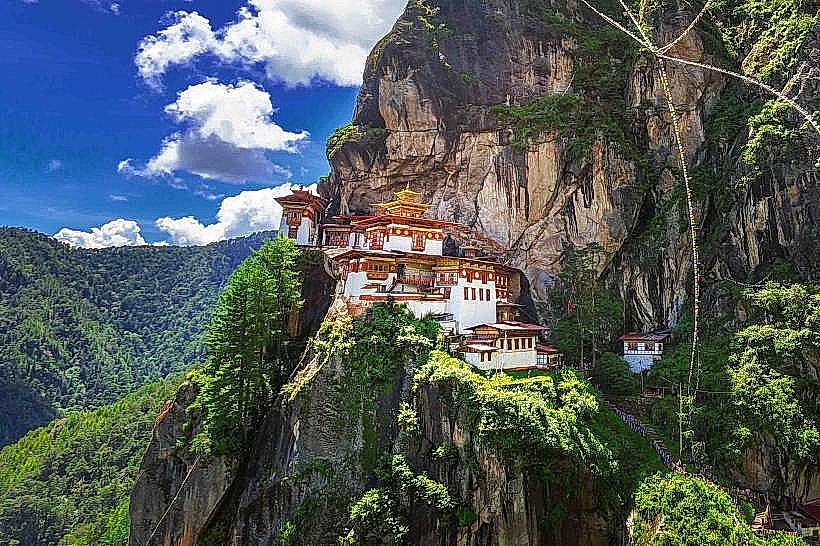
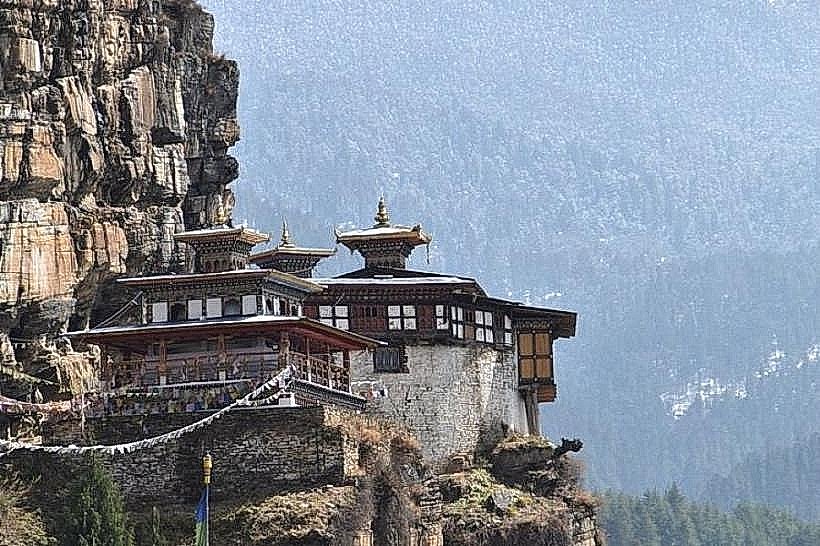
- Tiger's Nest Monastery (Taktsang Palphug Monastery) (15km South-East)
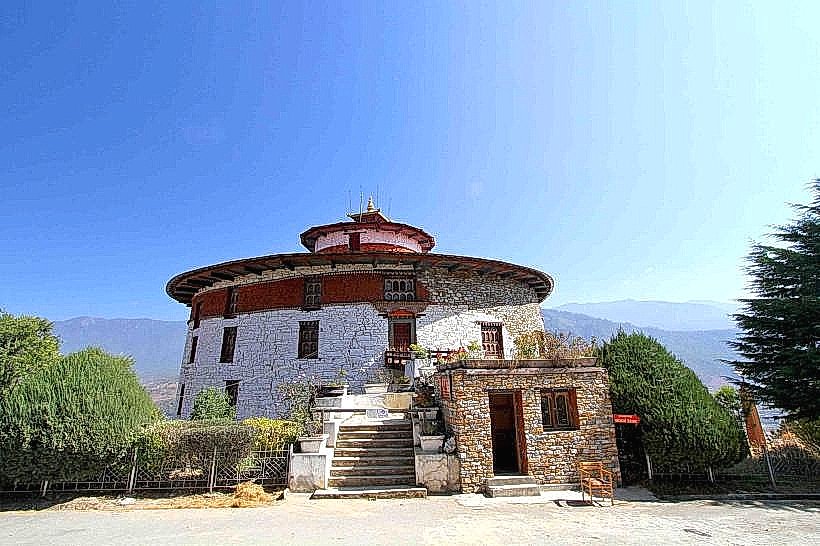
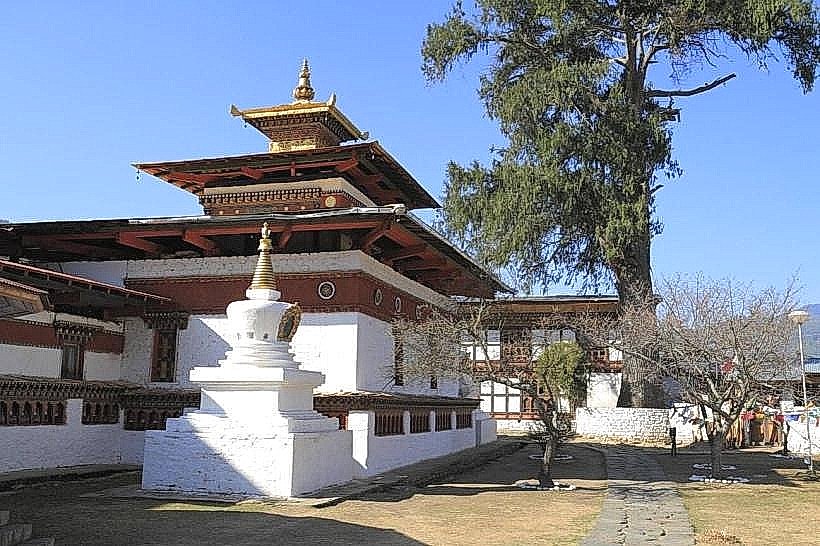
- Kyichu Lhakhang (18km South-East)
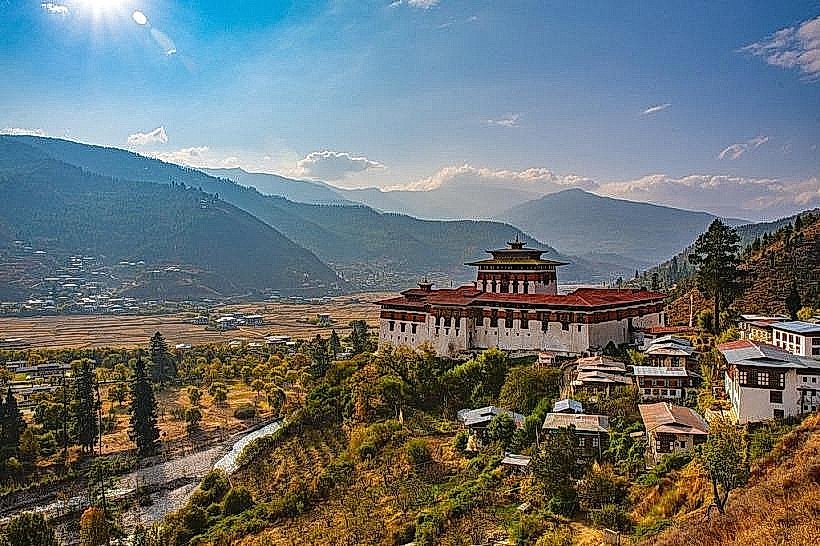
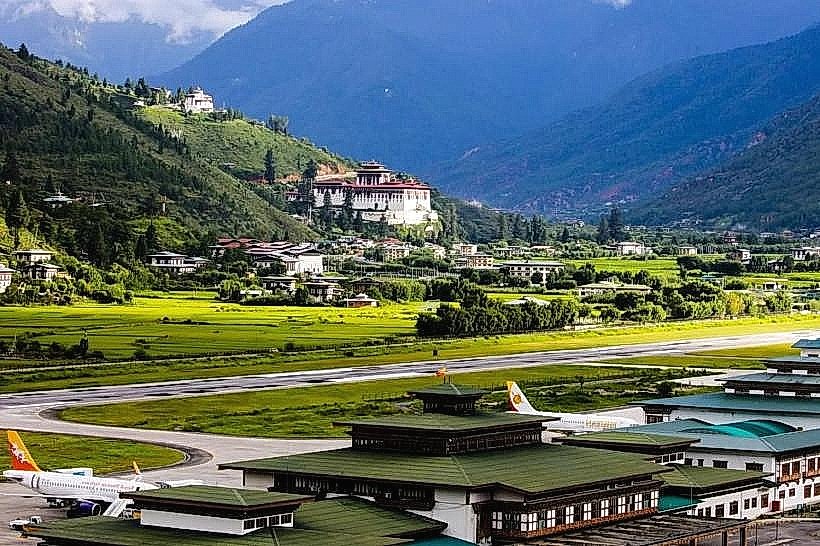
- Paro Rinpung Dzong (20km South)