Information
Landmark: Paro Taktsang (Tiger's Nest Monastery)City: Paro
Country: Bhutan
Continent: Asia
Paro Taktsang (Tiger's Nest Monastery), Paro, Bhutan, Asia
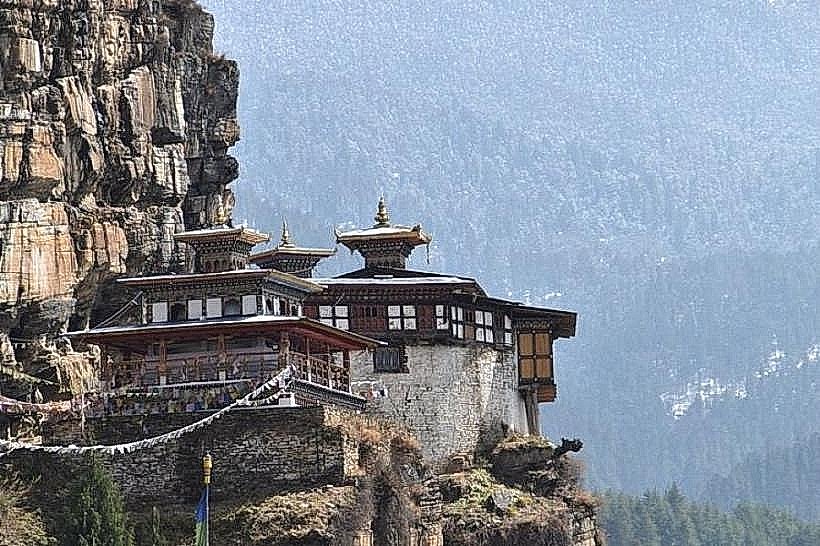
Paro Taktsang, also known as the Tiger's Nest Monastery, is a sacred Buddhist site situated on a cliffside in the Paro District of Bhutan.
Visual Characteristics
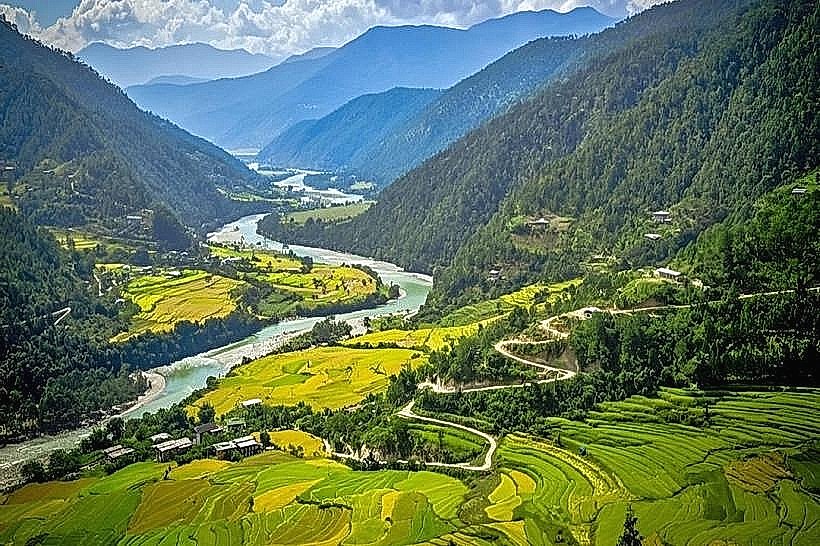
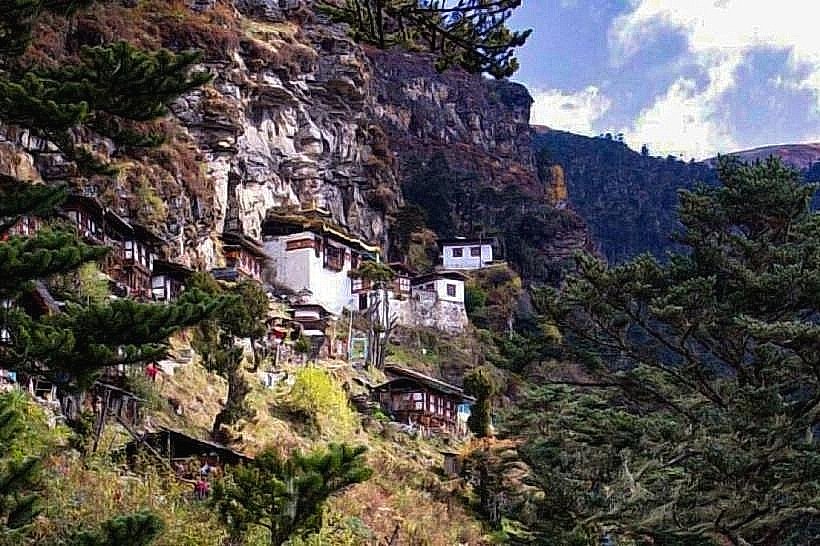
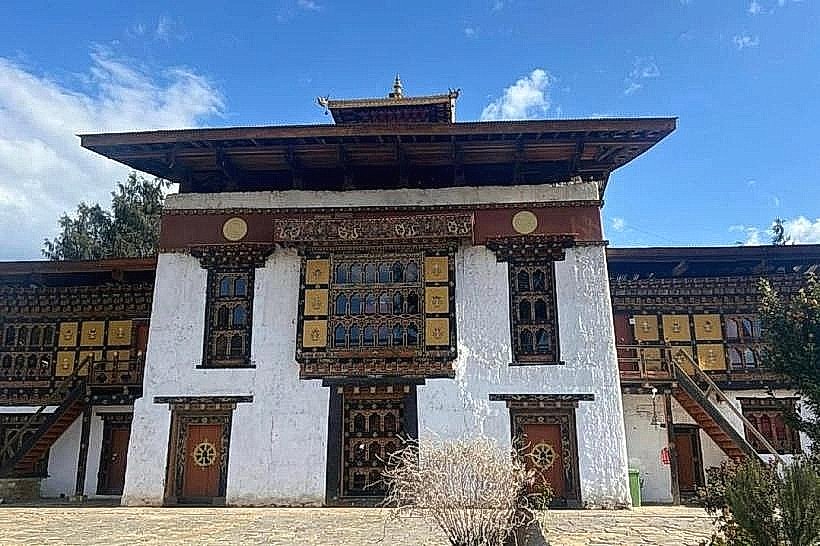
The monastery complex consists of four primary structures and several secondary dwellings, clinging to a sheer granite cliff face at an elevation of 3,120 meters (10,240 feet). The main temple, Lhakhang Senge Tempa, is a white structure with a golden roof. Other buildings feature traditional Bhutanese architecture with painted wooden eaves and intricate carvings. The surrounding landscape is characterized by steep, forested slopes.
Location & Access Logistics
The monastery is located approximately 10 kilometers (6.2 miles) north of Paro town. Access is via a paved road leading to the parking area at the base of the mountain. From the parking area, a hiking trail of approximately 4 kilometers (2.5 miles) ascends to the monastery. The trail is steep in sections, with an elevation gain of about 900 meters (3,000 feet). Ponies are available for hire for the initial ascent to the cafeteria, approximately halfway up the trail. There are no public transport services directly to the monastery; visitors typically arrange private transport from Paro town.
Historical & Ecological Origin
Paro Taktsang was founded in 1692 by Gyalse Tenzin Rabgye, the fifth temporal ruler of Bhutan. The site is believed to be where Guru Rinpoche, who introduced Buddhism to Bhutan, meditated in the 8th century after flying there on the back of a tigress. The monastery is built on a site of significant ecological importance, within the Jigme Dorji National Park, a protected area.
Key Highlights & Activities
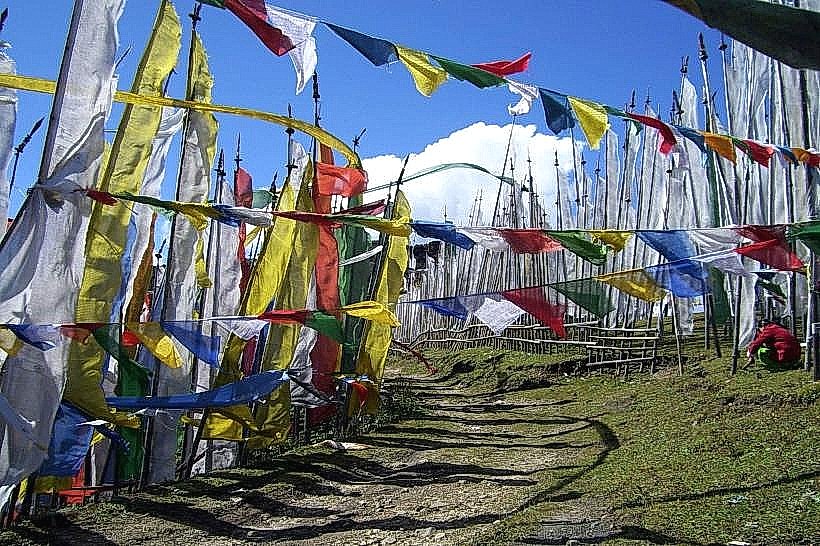
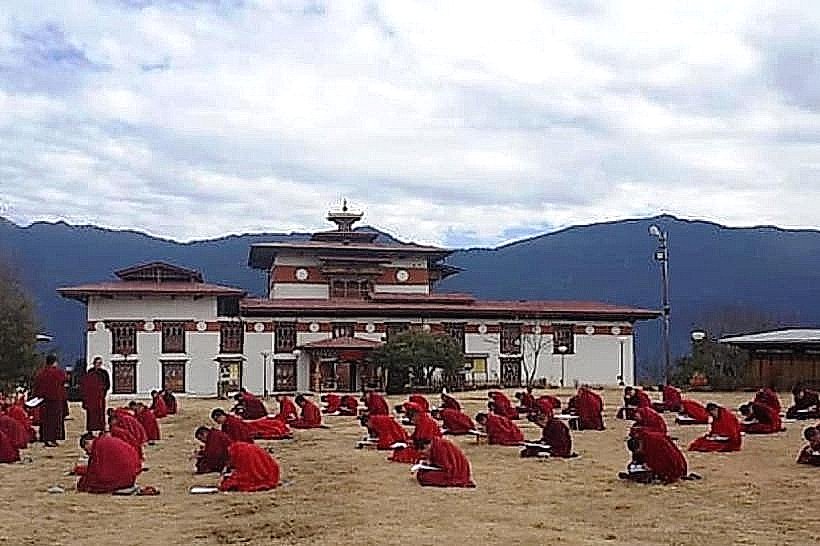
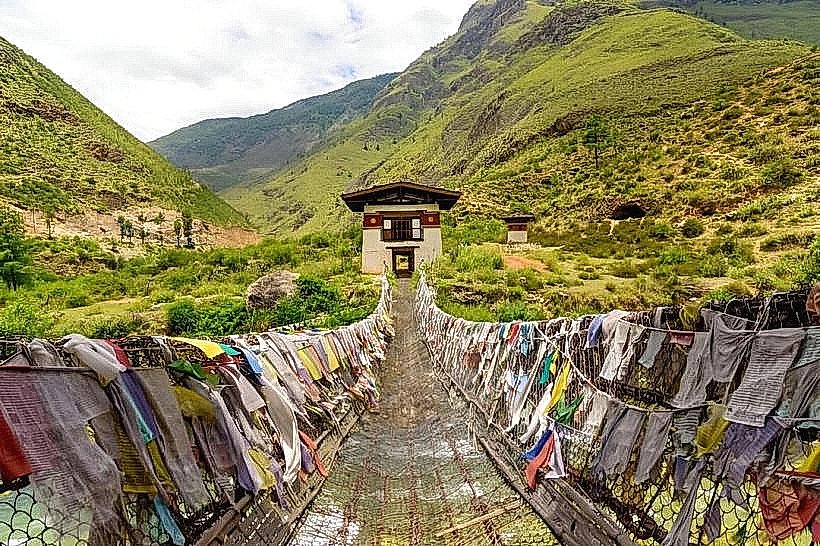
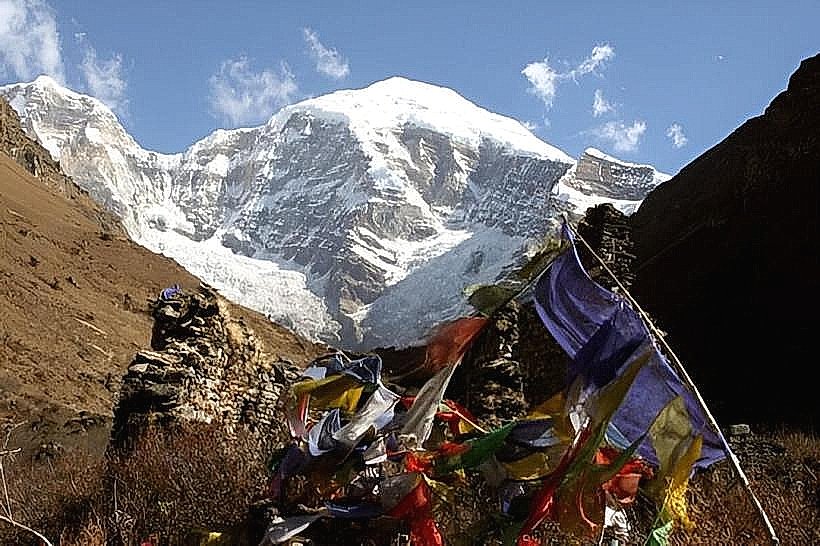
Visitors can hike the trail to the monastery, observing the prayer flags and the changing vegetation. Photography is permitted from designated viewpoints outside the monastery. Inside, visitors can explore the various temples and shrines, observe the monastic life, and experience the spiritual atmosphere. Guided tours are available, providing historical and religious context. The hike itself is a primary activity.
Infrastructure & Amenities
A cafeteria is located approximately halfway up the hiking trail, offering refreshments and basic facilities. Restrooms are available at the cafeteria and near the monastery entrance. Cell phone signal is intermittent along the trail and generally available at the monastery. There are no food vendors directly at the monastery, but small stalls selling water and snacks are present along the trail.
Best Time to Visit
The best time of day for photography is generally in the morning when the monastery is illuminated by sunlight. The best months for visiting are March to May and September to November, offering clear skies and moderate temperatures. The monastery is accessible year-round, but winter months can bring snow and ice to the trail.
Facts & Legends
A unique feature of the monastery is the cave of the tigress, where Guru Rinpoche is said to have meditated. Visitors are advised to wear appropriate attire, covering shoulders and knees, out of respect for the religious site.
Nearby Landmarks
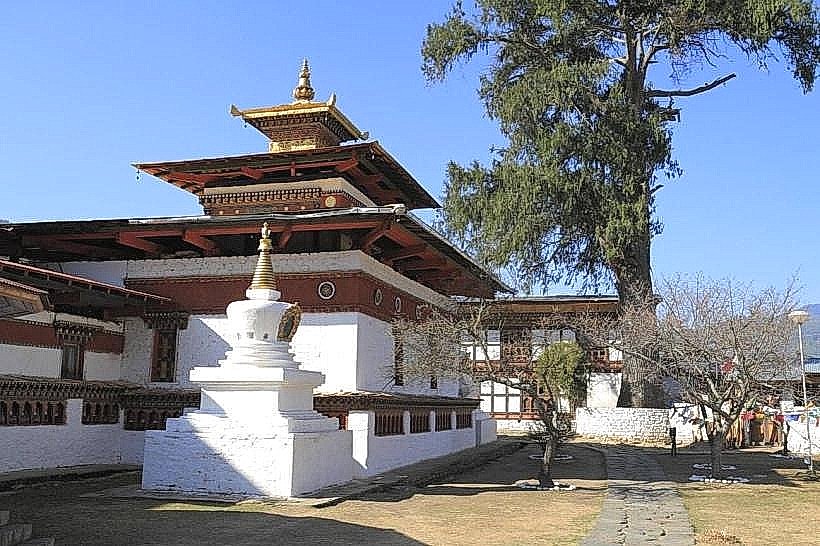
- Kyichu Lhakhang (5.5km Southwest)
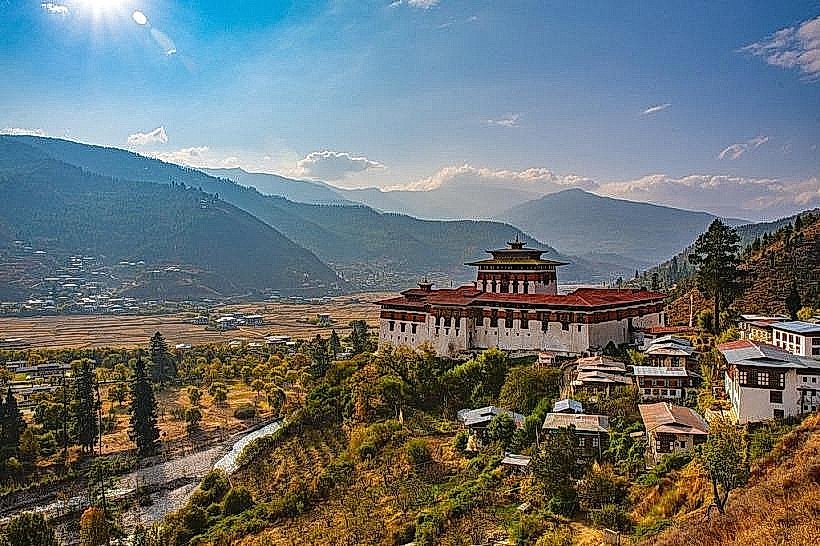
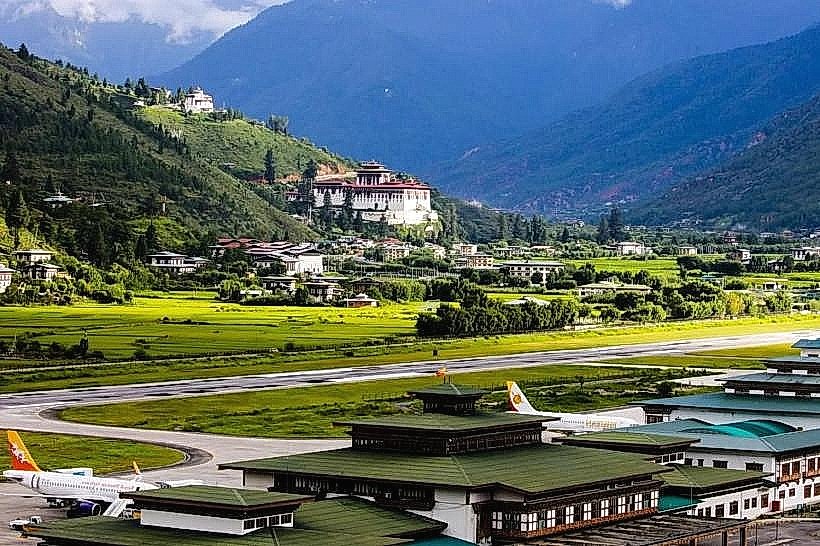
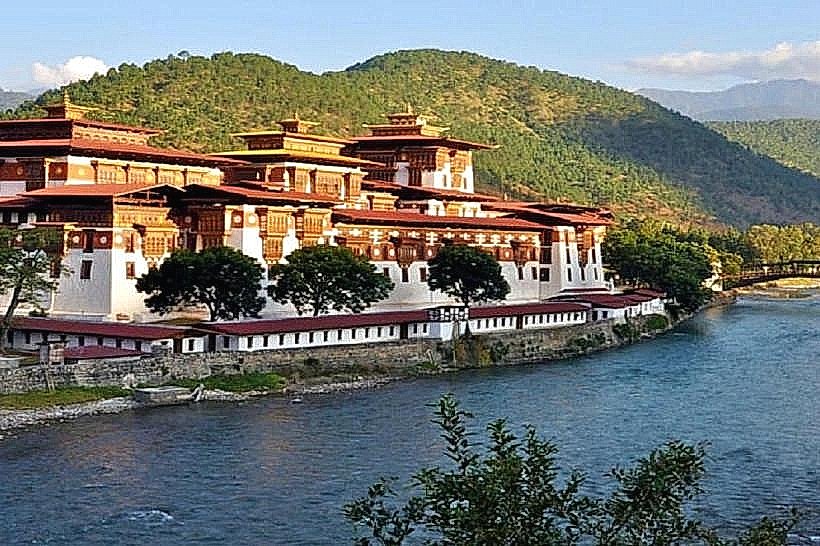
- Paro Dzong (Rinpung Dzong) (9.8km South)
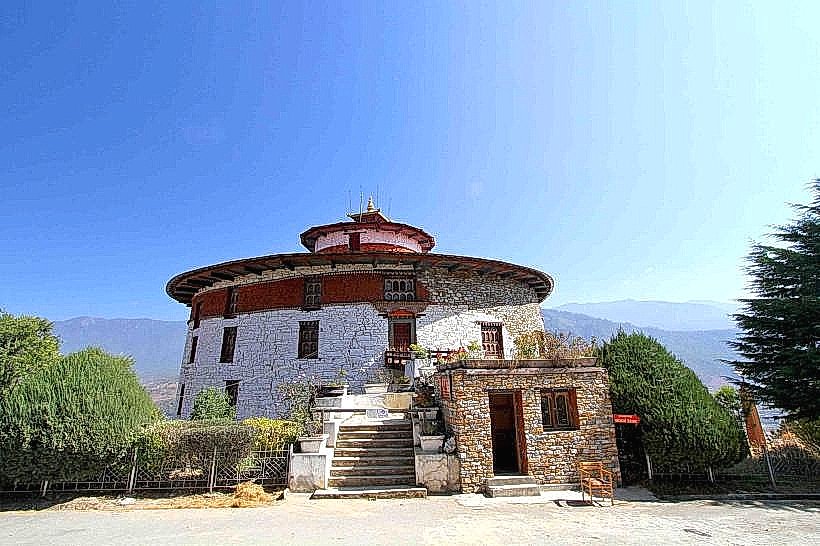
- National Museum of Bhutan (9.5km South)
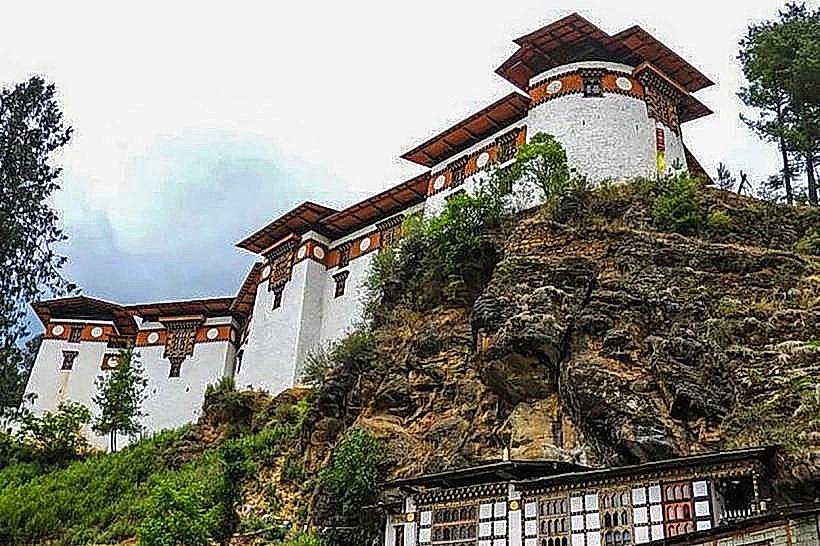
- Drukgyel Dzong ruins (15km Northwest)