Information
Landmark: Dominican MonasteryCity: Dubrovnik
Country: Croatia
Continent: Europe
Dominican Monastery, Dubrovnik, Croatia, Europe
Dominican Monastery (Dominikanski Samostan) – Dubrovnik
The Dominican Monastery (Dominikanski Samostan) is one of Dubrovnik’s most important and historically rich landmarks. Situated in the heart of the Old Town, just off Stradun (the main street), the monastery has played a significant role in the religious, cultural, and architectural development of Dubrovnik over the centuries. Its serene atmosphere, beautiful cloister, and impressive collection of art and artifacts make it a must-visit for anyone interested in the city's rich heritage.
Historical Background
- Foundation and Origins: The Dominican Monastery was founded in the 13th century, around the year 1225, by the Dominican Order. The order itself was established by Saint Dominic in 1216 and focused on preaching, education, and theological study. The Dominican Monastery in Dubrovnik served as both a place of worship and a center for intellectual life.
- Religious Importance: The monastery was initially established to provide spiritual guidance to the citizens of Dubrovnik and to support the growing influence of the Catholic Church in the region. Over time, it became an important religious center for the people of Dubrovnik, especially during the years of the Republic of Ragusa.
- Architectural Development: The Dominican Monastery has been expanded and renovated several times throughout its history. Much of the building that stands today dates from the 15th century, though earlier parts of the monastery still reflect its medieval origins. Like many of Dubrovnik’s historical buildings, the monastery was affected by the 1667 earthquake, leading to some reconstruction work.
Architectural Features
- Facade and Exterior: The Dominican Monastery is built in a Gothic style with elements of Renaissance and Baroque architecture. Its stone facade is simple yet elegant, with Gothic arches and windows typical of the era. The monastery is built from local limestone, which gives it a warm, golden hue.
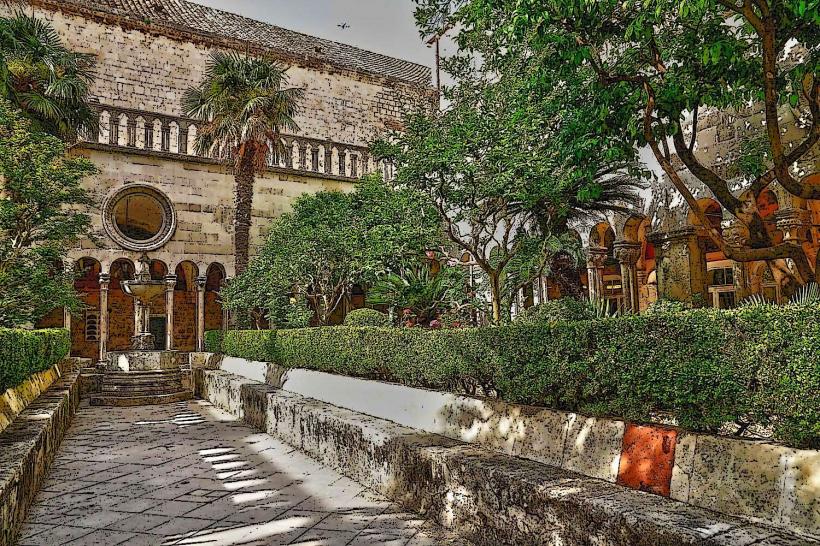
- Cloister: The monastery is best known for its beautiful cloister, which is a peaceful courtyard surrounded by a series of columns and arches. The cloister was designed to provide a tranquil space for meditation and reflection, offering a serene escape from the bustle of the city. The columns are adorned with ornate carvings, showcasing both biblical and natural motifs.
- Church of St. Nicholas: The monastery also houses the Church of St. Nicholas, dedicated to the patron saint of sailors, which is a central part of the Dominican Monastery complex. The church is noted for its simple, yet striking Renaissance altar and its beautiful, wooden pulpit. The baroque style of the interior was added after the earthquake in 1667, giving the church a slightly later feel compared to the rest of the building.
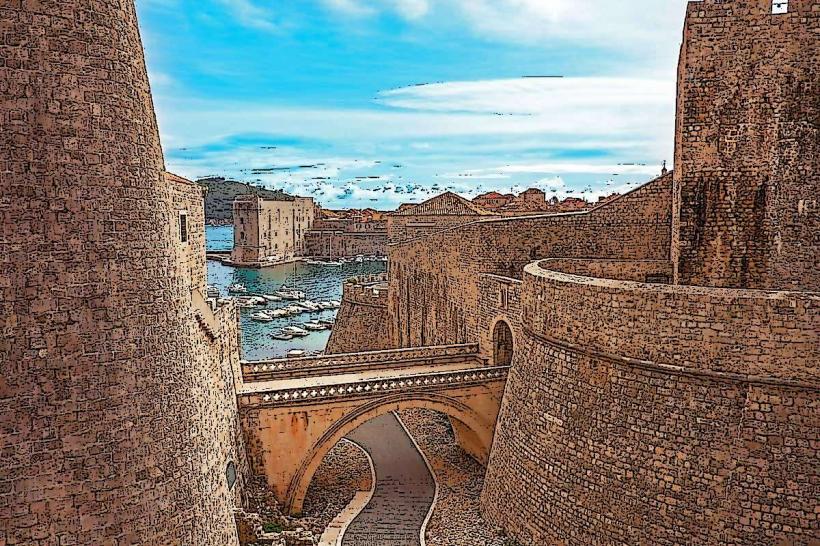
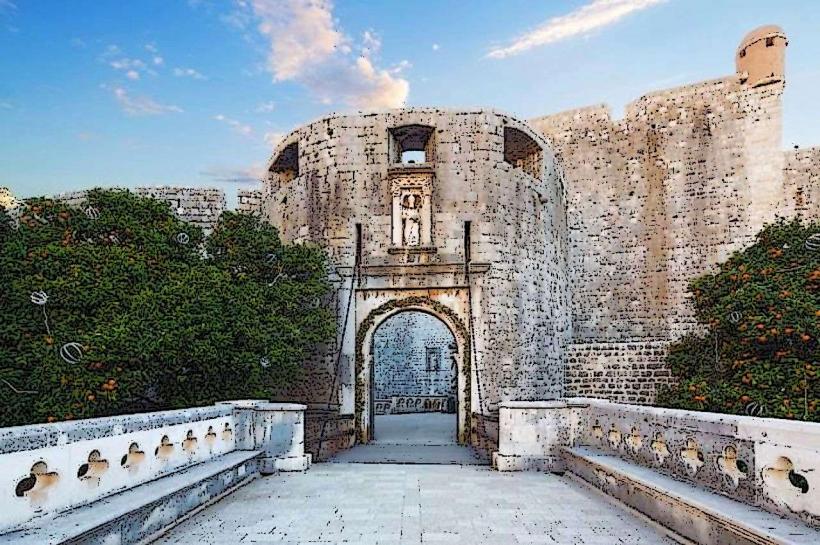
- Monastery Walls: The building is enclosed by thick stone walls, typical of monastic architecture, which served both as protection and as a means of separation from the outside world. The walls of the monastery reflect the religious importance of the site, as well as the fortified nature of Dubrovnik in the medieval period.
The Art and Treasures of the Dominican Monastery
Art Collection: The Dominican Monastery is home to an impressive collection of artworks, many of which date back to the Renaissance and Baroque periods. These pieces reflect the religious and cultural significance of the monastery and its connection to the artistic developments of the region.
- One of the most famous works housed in the monastery is a painting of St. Dominic by the Italian master Andrea Veneziano. This artwork is an excellent example of Renaissance painting and is one of the monastery’s prized possessions.
- The monastery also has several other religious paintings and sculptures from both the Renaissance and Baroque periods, which are displayed throughout the building.
Library: The monastery's library is another significant feature. It houses a collection of old manuscripts, books, and religious texts that date back to the medieval and Renaissance periods. The library is a testament to the intellectual and religious life of the Dominican Order in Dubrovnik.
Treasures and Relics: The monastery is also home to several important religious relics. Some of the most significant items include relics of saints and liturgical objects used in religious ceremonies. These relics play an important role in the religious traditions of the Dominican Order and serve as reminders of Dubrovnik’s deep connection to Catholicism.
Visiting the Dominican Monastery
- Opening Hours: The Dominican Monastery is generally open to visitors throughout the week. It is a popular site for both tourists and pilgrims, with opening hours typically extending from morning until evening. However, it’s always best to check specific times, especially during religious holidays or special events.
- Admission: There is an entry fee to visit the monastery, and tickets can usually be purchased at the entrance. Visitors can choose between guided tours or exploring the site independently.
- Best Time to Visit: Early mornings or late afternoons are ideal for visiting the Dominican Monastery, especially to avoid the crowds that frequent Dubrovnik’s Old Town during the peak tourist season.
- Accessibility: The monastery is located in the heart of Dubrovnik, close to Stradun and Pile Gate. It is easy to reach on foot, but visitors with mobility challenges may find it difficult to navigate the narrow streets and steps in the area. The building is generally accessible, but certain parts, like the upper floors, may have restricted access.
Nearby Attractions
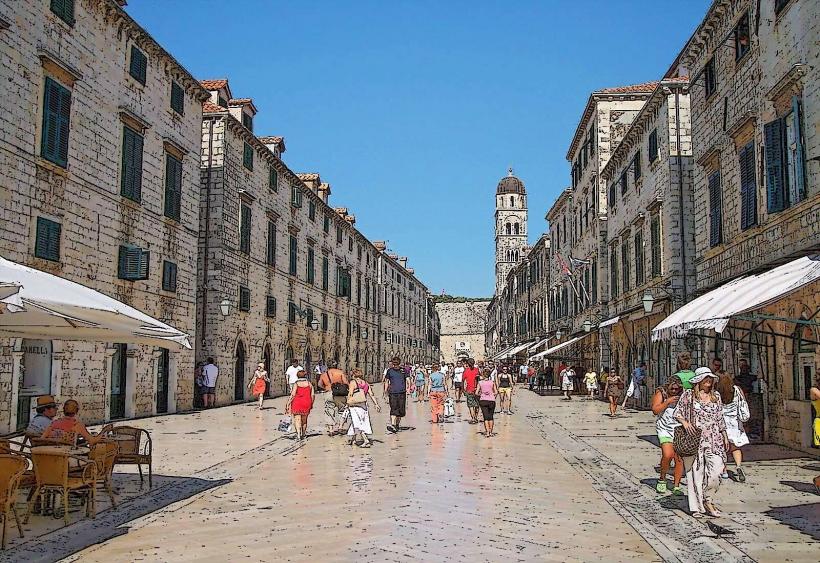
- Stradun: The main street of Dubrovnik, Stradun, is just a short walk away. This bustling street is lined with shops, cafes, and historical landmarks.
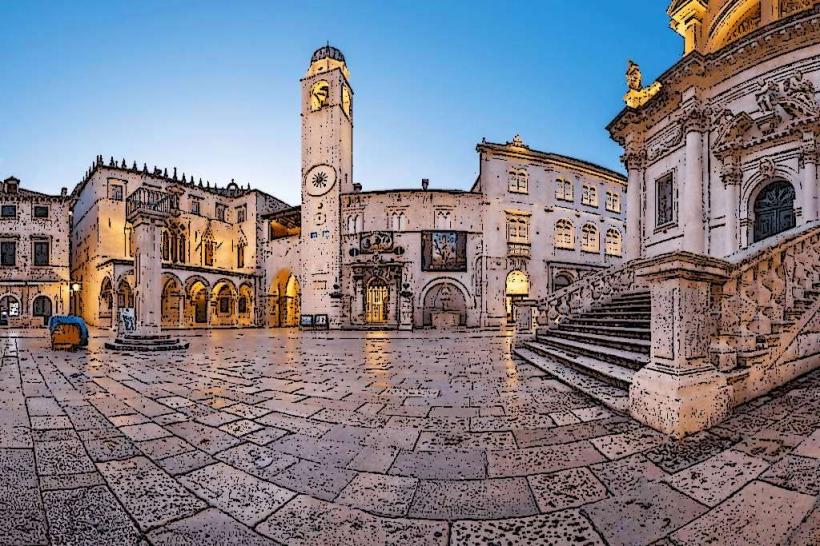
- Sponza Palace: A short distance from the monastery, Sponza Palace houses the State Archives of Dubrovnik and is a beautiful example of Renaissance architecture.
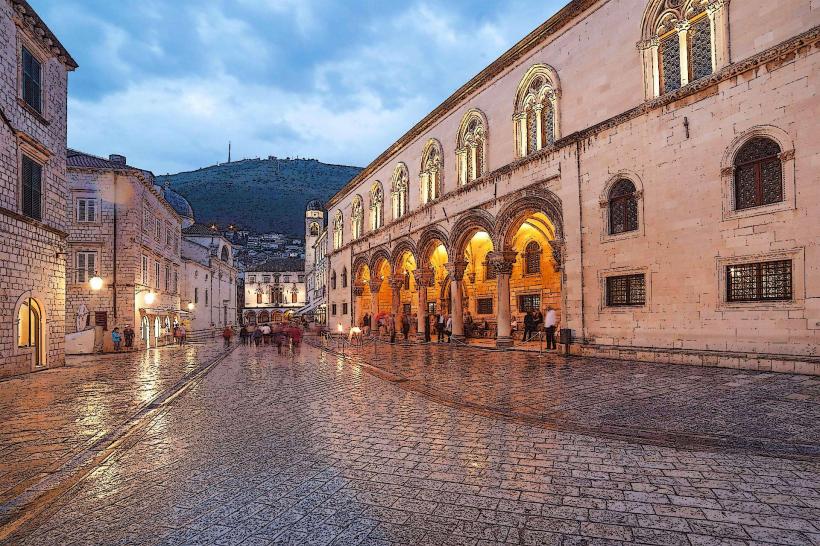
- Rector’s Palace: Another important historical building nearby, the Rector’s Palace is the former seat of the Rector of the Republic of Ragusa and now serves as a museum.
- Dubrovnik Cathedral: The Dubrovnik Cathedral, or the Cathedral of the Assumption of the Virgin Mary, is a short walk from the monastery and a stunning example of Baroque architecture.
- Onofrio’s Fountain: A popular landmark located near Pile Gate, Onofrio’s Fountain was part of the ancient water supply system of Dubrovnik.
Fun Facts
- Renaissance Influence: The artworks housed in the monastery are examples of the Renaissance and Baroque styles, two of the most influential artistic movements in Dubrovnik during the 14th and 15th centuries.
- Intellectual Hub: The monastery was a center of intellectual life during the Republic of Ragusa and housed many scholars and theologians.
- Religious Role: The Dominican Monastery was an important religious institution in Dubrovnik, especially in the years leading up to the Republic of Ragusa’s independence.
- Earthquake Reconstruction: After the 1667 earthquake, the monastery was partially reconstructed in the Baroque style, particularly the interior and the Church of St. Nicholas.
Why Visit the Dominican Monastery?
- Cultural and Religious History: The Dominican Monastery offers a glimpse into the religious and intellectual life of Dubrovnik during the medieval and Renaissance periods.
- Art and Architecture: With its impressive collection of artworks, sculptures, and religious relics, the monastery is a must-see for art lovers and history enthusiasts alike.
- Peaceful Atmosphere: The cloister and the surrounding gardens offer a peaceful space for reflection, making the monastery a calm retreat from the bustling Old Town.
- Architectural Beauty: The monastery’s Gothic, Renaissance, and Baroque features are beautifully preserved and offer an excellent example of Dubrovnik’s architectural evolution.
Conclusion
The Dominican Monastery in Dubrovnik is not only a place of worship but also an important historical, cultural, and artistic landmark. With its peaceful atmosphere, beautiful cloister, and rich collection of art and relics, the monastery provides visitors with a unique insight into the religious and intellectual history of Dubrovnik. Whether you're exploring its artistic treasures, enjoying the serenity of the cloister, or learning about the city’s past, a visit to the Dominican Monastery is an enriching experience that should not be missed.