Information
Landmark: El CaracolCity: Cozumel
Country: Mexico
Continent: North America
El Caracol, Cozumel, Mexico, North America
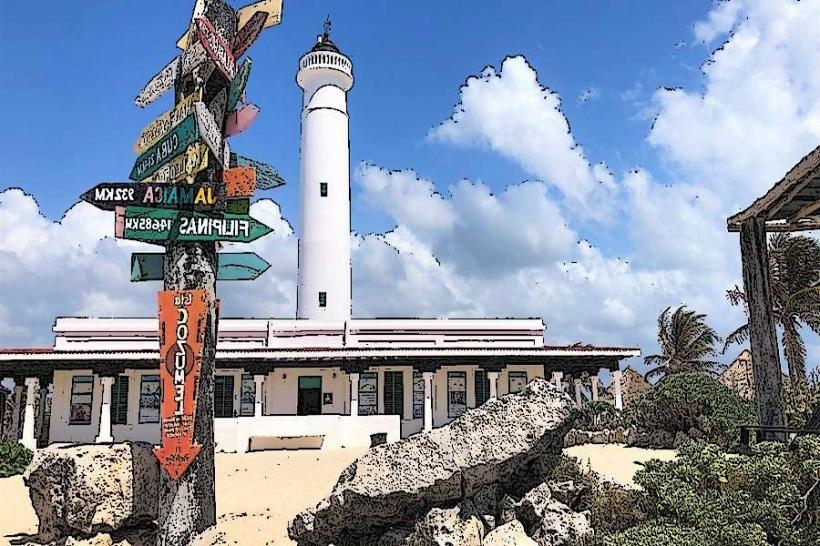
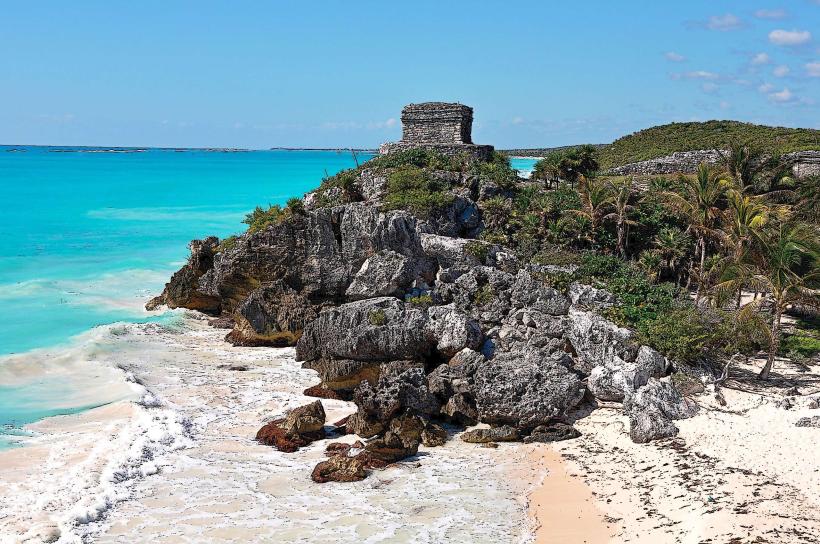
El Caracol is an ancient Mayan archaeological site located on the Caribbean coast of the Yucatán Peninsula, near the town of Cozumel, Mexico. The name "El Caracol" translates to "The Snail" in Spanish, referring to the spiral shape of the structure, which is believed to have been used as an observatory by the Mayans. The site is known for its historical significance and impressive architecture, and it’s a must-visit for history and archaeology enthusiasts.
🏛️ Overview of El Caracol
Location: El Caracol is located on the island of Cozumel, just a short distance from the main town of San Miguel. It is situated along the western coastline, and visitors can easily access the site by car, taxi, or tour.
Historical Significance: The site dates back to the Mayan Classic period (around 1st to 9th centuries AD). El Caracol is thought to have been a Mayan observatory that was used for astronomical observations. It played a crucial role in tracking celestial bodies, particularly the planet Venus, which was significant in Mayan culture for its association with agriculture, warfare, and rituals.
🏺 Key Features and Attractions of El Caracol
1. The Observatory (El Caracol)
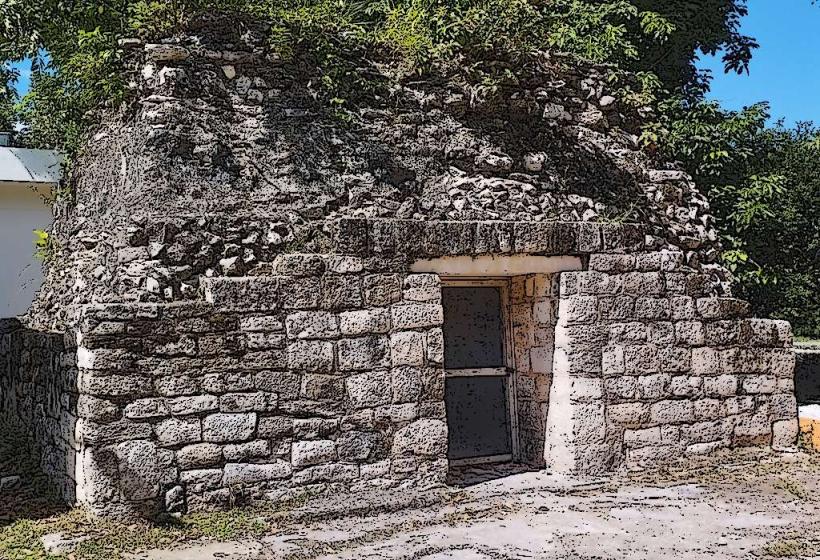
The most notable feature of the site is its round, spiral-shaped structure, which is where the name "El Caracol" comes from. It is believed to have been a Mayan observatory used to track the movement of stars, planets, and other celestial phenomena. The structure is designed to align with specific astronomical events.
The observatory has windows and openings that were likely used to view the skies and track the movements of celestial bodies, especially Venus, which the Mayans considered to be an important goddess and deity.
The site’s architecture shows the Mayans’ advanced understanding of astronomy, as well as their ability to use celestial events to plan agricultural and ceremonial activities.
2. The Main Pyramid
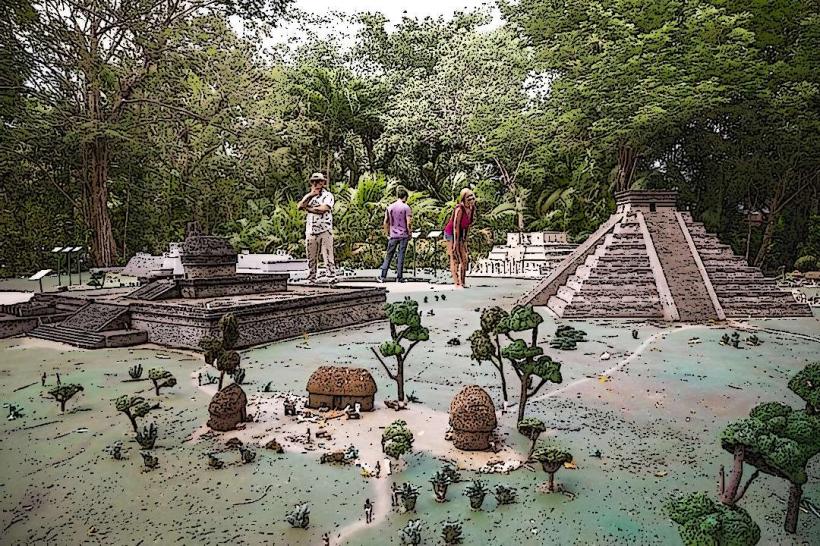
Nearby the observatory, there is a pyramid structure that served as a part of the ceremonial center of the site. While smaller than the large pyramids found at other Mayan ruins, the pyramid is still significant and is thought to have had a ceremonial purpose.
The pyramid is constructed with limestone and is typical of the Mayan architectural style, featuring platforms and steps leading to the top.
3. Carved Reliefs
El Caracol contains Mayan carvings and reliefs on the structures that provide clues about the site's history and its role in Mayan culture. These carvings are valuable for understanding the rituals, gods, and daily life of the ancient Mayans.
4. Viewpoint
The observatory structure provides a great view of the surrounding landscape, including the Caribbean Sea and the nearby jungle. The elevated viewpoint was likely used to see the horizon and to align astronomical events.
🌟 Why Visit El Caracol?
1. Astronomical Significance
El Caracol is one of the few Mayan sites dedicated to astronomy, offering insight into the Mayan civilization's advanced understanding of the heavens. Visiting the site provides a chance to learn about the importance of astronomy in Mayan culture and how they used it for agriculture, rituals, and navigation.
2. Historical and Cultural Insights
The site offers a unique opportunity to learn about the Mayan civilization and its achievements in architecture, engineering, and astronomy. It’s an excellent stop for those interested in ancient cultures and their contributions to science and culture.
3. Scenic Views
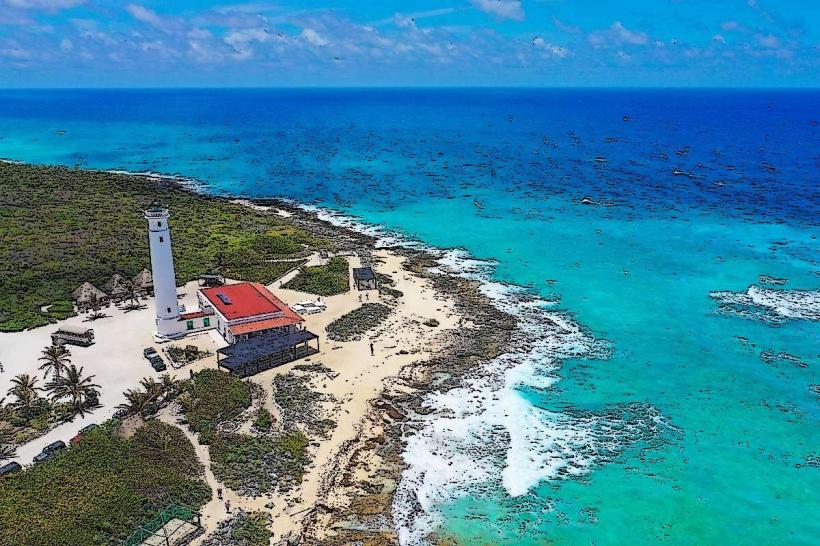
In addition to the historical and archaeological significance, El Caracol offers stunning views of Cozumel's coastline and surrounding landscapes. The elevated structure provides a panoramic perspective of the Caribbean Sea and the lush tropical jungle, making it a great spot for photography and nature lovers.
4. Peaceful and Less Crowded
Compared to other more famous Mayan ruins in the region, such as Tulum or Chichen Itza, El Caracol is less crowded and more peaceful, making it an ideal destination for visitors who want to explore a historical site without large crowds. The serenity of the site allows for a more reflective and immersive experience.
🕰️ Practical Information
Opening Hours: El Caracol is typically open daily, from 8:00 AM to 5:00 PM. However, hours may vary, so it’s recommended to check ahead or confirm locally.
Admission Fees: Entrance fees to El Caracol are usually very affordable, and they are generally included in the Cozumel archaeological site tickets or as part of a guided tour.
Guided Tours: To get the most out of your visit, it’s a good idea to hire a local guide who can explain the astronomical significance and historical context of the site. Many tours are available that combine visits to El Caracol with other attractions on the island.
What to Bring: Be sure to bring comfortable footwear for walking, as the site involves some uneven terrain. You should also bring sunscreen, a hat, and plenty of water, especially if you plan to explore the site under the sun. A camera is also recommended to capture the stunning views and architecture.
🌟 Key Takeaways
El Caracol is an important Mayan archaeological site on Cozumel Island, believed to have served as an observatory for tracking celestial events, particularly the movement of Venus.
The site features a spiral-shaped structure, a pyramid, and various carved reliefs that provide insight into the Mayan civilization’s expertise in astronomy and architecture.
El Caracol offers stunning views of the Caribbean Sea and is one of the less-crowded archaeological sites in Cozumel, providing a peaceful experience for visitors interested in Mayan history and culture.
Visiting El Caracol is a great way to deepen your understanding of the Mayan civilization, their scientific achievements, and the importance of astronomy in their daily lives.
For anyone interested in ancient civilizations, astronomy, or simply seeking a peaceful retreat with stunning views, El Caracol is an excellent stop on your journey through Cozumel.